Why Korn's 'Start The Healing' Hits So Hard
For many listeners, the meaning of Start The Healing Korn comes down to one simple idea: recovery is not clean, quick, or easy. The song does not pretend pain disappears overnight. Instead, it shows healing as a fight against thoughts and memories that keep trying to come back.
"Start The Healing" - Korn
It's hard to see from the eyes of a stranger
Are you ready for the feeling to leave
Loading lyrics...
Unable to load lyrics
We're unable to display the lyrics at this time. Please try again later.
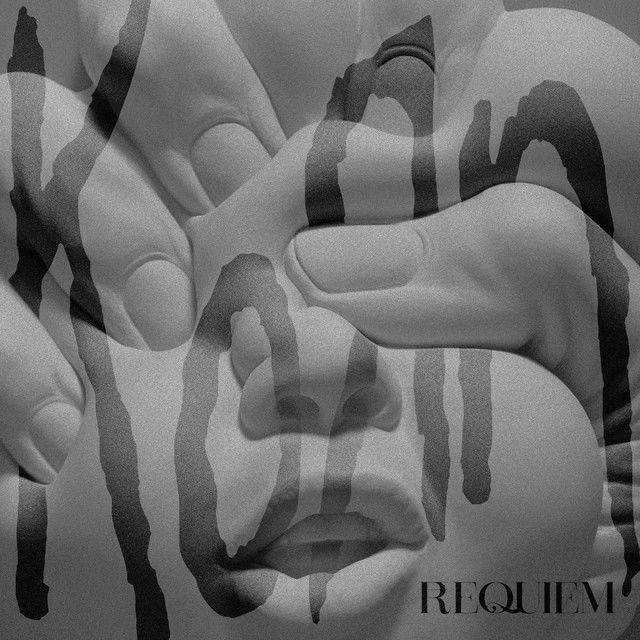
Released on November 11, 2021, as the lead single from Requiem, the track marked Korn's return with new music after The Nothing and later became a strong rock-radio performer, including topping Billboard's Mainstream Rock/Active Rock reporting cycle in early 2022 according to summaries collected by Wikipedia and background reported by Songfacts. That success makes sense: its message is dark, but also strangely hopeful.
The Core Idea Beneath the Noise
At its heart, this song is about trying to move past trauma without denying that trauma still has power. The speaker sounds like someone inviting another person—or maybe themselves—into a hard process. Early lines ask whether they are ready to face pain instead of hiding from it. That matters because the song treats healing as confrontation, not escape.
The key refrain gives the clearest statement of purpose: start the healing
. Before and after that phrase, the lyrics describe pain as something that must be broken apart. In plain terms, the song suggests recovery begins when they stop letting anger and fear rule every thought.
Interpretation: The repeated questions in the verses make the song feel like an internal conversation. They may be speaking to a loved one, but it is just as plausible they are speaking to the wounded self that is afraid to change.
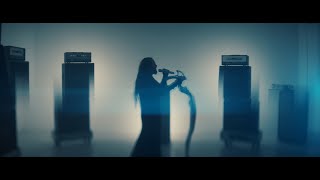
Watch the official Start The Healing
music video
A Voice Caught Between Hope and Relapse
One reason the song connects with people is that it never presents healing as a straight line. The verses warn that there is always something pushing its way back. A short phrase like fighting its way back in
captures the song's central fear: old pain returns even after progress.
That is why the self-judging lines in the chorus matter. The speaker lists regrets and failures, then asks, What could I do?
This does two things at once. It admits helplessness, but it also clears space for honesty. They cannot begin recovery until they admit they were overwhelmed.
The Emotional Timeline
The song moves through a clear emotional arc:
- It opens with an invitation to face pain.
- It admits that anger and darkness keep returning.
- It shifts into self-blame and confusion.
- It answers that confusion with a choice to heal.
- It ends by repeating that choice like a mantra.
That structure is simple, but effective. Each return to the chorus feels less like a perfect solution and more like a person trying again.
The Images of Scars, Invaders, and Fire
Korn use violent imagery to describe inner suffering. The song talks about scars, danger, and something like an invasion from within. When the lyrics mention pulling out the invaders
, they are likely not describing literal enemies. They are turning anxiety, grief, rage, or addiction-like thoughts into something physical that can be removed.
Later, the bridge raises the stakes with a striking picture of feelings bursting into flames and a damaged soul under pressure. The image suggests emotional overload, not calm reflection. Then another repeated warning appears: It's never gonna quit
. That line is crucial because it rejects fantasy. Pain may remain active even while healing begins.
Interpretation: This is why the song feels more mature than a simple victory anthem. It says growth is possible, but the struggle may never fully vanish.
How the Sound Carries the Meaning
The production helps tell the story. Reporting from Songfacts and Wikipedia describes a softer verse vocal from Jonathan Davis against heavier instrumentation, with layered vocals and a push-pull dynamic. That contrast mirrors the lyric theme perfectly.
The verses sound guarded and intimate, almost as if they are thinking out loud. Then the chorus opens wider, with heavier guitars and a bigger emotional release. The result is tension followed by catharsis.
This matters for the meaning of Start The Healing Korn because the music itself enacts recovery. Quiet moments suggest vulnerability. Loud moments sound like the pain fighting back—or like the force needed to break through it.
The band reportedly recorded during the pandemic and used that time to experiment with texture while keeping their core identity intact, according to Songfacts. That slight new-wave sheen on top of Korn's familiar heaviness makes the song feel less trapped in rage and more open to reflection.
Life Context Makes the Song Deeper
Context does not replace interpretation, but it can sharpen it. Songfacts connects the song to Jonathan Davis dealing with prolonged grief, family loss, and long-term health struggles during the COVID era. Knowing that, the lyrics read less like abstract darkness and more like a survival document.
The video also supports that reading. Directed by Tim Saccenti, it uses surreal creatures and images of mutation and rebirth. Saccenti described it as a brief journey of "death and rebirth," as summarized by Wikipedia. That visual concept matches the song's movement from damage to renewal.
Why It Still Resonates
Korn have always been good at turning inner turmoil into physical sound. What makes this track stand out is its balance. It is heavy, but not hopeless. It is wounded, but not defeated.
For listeners, that may be the lasting message. Healing does not begin when pain ends. It begins when they decide pain will not be the only voice left speaking.
Disclaimer: This interpretation is based on the lyrics, publicly available background, and critical context. As with most songs, listeners may hear a different meaning in "Start The Healing."









