Why Korn Turned 'Word Up!' Into a Heavy Party Chant
The meaning of Word Up! Korn starts with a simple truth: this is not a deep confessional song. It is a command to loosen up, join the room, and stop overthinking. What makes Korn’s 2004 version interesting is that they take a bright, funky anthem and push it through a darker, heavier filter.
"Word Up!" - Korn
Got a weird thing to show you so tell all the boys and girls
Tell your brother, your sister and your mamma too
Loading lyrics...
Unable to load lyrics
We're unable to display the lyrics at this time. Please try again later.
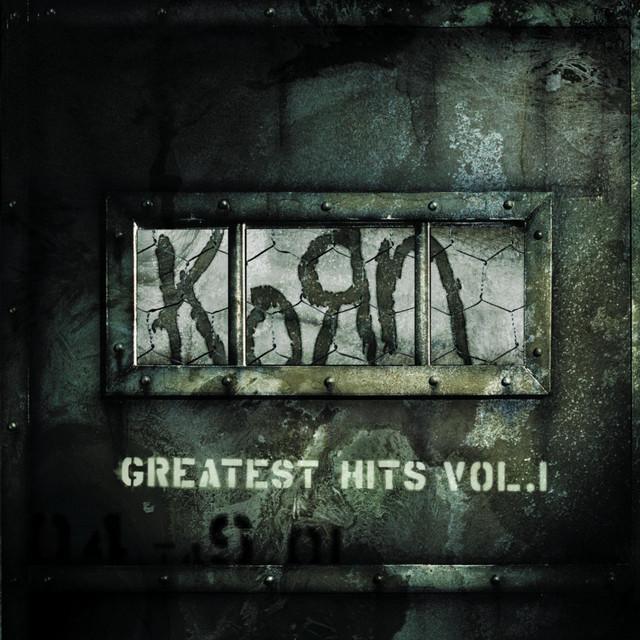
Korn released their cover in 2004 as a new track on Greatest Hits, Vol. 1. The song was originally written by Larry Blackmon and Tomi Jenkins and first recorded by Cameo in 1986. Korn’s version kept the original writing credits and was produced by Jonathan Davis, Korn, and Toby Wright. It also became one of the band’s more visible crossover singles, getting alternative and some Top 40 attention.
The Core Message Hides in Plain Sight
At heart, the song is about collective energy. The singer calls out to everyone in the room and asks them to respond. Phrases like everybody say
and get it underway
show that the song is less about storytelling than participation.
In plain terms, the track says: stop posing, stop trying to look cool, and dance. The lyric about people who act superior mocks image-driven behavior. Then it replaces that attitude with something more direct and physical: music should move people.
Interpretation: In Korn’s hands, that message becomes a little sharper. Their version sounds like a challenge, not just an invitation. The song is still fun, but it also pushes back against fake scenes and social posturing.

Watch the official Word Up!
music video
Where the Phrase “Word Up” Really Lands
The hook matters because it’s the code word
turns slang into a group signal. In common usage, “word up” can mean agreement, recognition, or simply “listen up.” Research around the original Cameo song often points to that street-slang meaning: a quick phrase that says, yes, they get it.
That matters for the meaning of Word Up! Korn because the chorus is not offering a secret message. The “code word” is really a social password. When someone says it, they show they belong to the same moment, beat, and mood.
Interpretation: This is why the song feels bigger than its actual lyric content. The words are simple, but they create a shared identity. Everyone knows what to do, even if the “message” is just to move with the music.
The Verses Are About Motion, Not Plot
There is no complex narrative here. Instead, the song moves through quick scenes:
- A public call goes out to the crowd.
- People are told to raise their hands and dance.
- The song mocks those who are too self-conscious.
- The chorus unites everyone around one phrase.
Short lines like wave your hands in the air
and do your dance
act like stage directions. They create a party setting where the listener becomes part of the performance.
Some listeners also hear flirtation in the song’s language. That reading is possible, especially in lines aimed at dancing bodies and public display. Still, the clearer meaning is social and musical: the track celebrates release, rhythm, and crowd connection more than romance.
What Korn Changed by Going Heavy
Korn did not rewrite the song’s core idea, but they changed its emotional texture. Cameo’s original is sleek funk with a rubbery groove and bright bounce. Korn’s cover leans into thick guitars, harder attack, and a more abrasive vocal edge.
That shift matters. A lyric that feels playful in funk can feel confrontational in nu metal. When Korn sing around ideas like act real cool
or acting like fools
, the criticism lands harder. The cover keeps the party spirit, but it adds tension.
Sound as meaning
The arrangement helps explain why the cover works. The riff is catchy enough to survive a genre jump, and Korn use that to their advantage. Their lower, denser guitar sound gives the song weight, while the punchy rhythm keeps it danceable rather than gloomy.
That balance is important: if the song became too dark, it would lose the point. Korn preserve the movement of the original even while roughing up its surface.
The Artist Context Makes the Cover Smarter
Jonathan Davis once explained why the band recorded it: We’ve been doing 'Word Up!' for years
as a soundcheck bit. That makes the cover feel less random. It was already living inside the band’s performance life before it became a studio track.
That context also explains the tone. Korn were not treating the song like a joke. They were picking a riff and hook they genuinely enjoyed, then translating them into their own style. For a band known for pain, alienation, and intensity, choosing a dance-command anthem created contrast.
Interpretation: That contrast is part of the appeal. The cover shows that Korn’s heaviness can still hold groove, humor, and swagger.
Why the Song Still Connects
Part of the song’s long life comes from how easy it is to understand. Larry Blackmon once said, “You can play ‘Word Up’ anyplace anywhere, and someone is going to be grooving.” That helps explain why the track has survived across genres and decades.
Korn’s version works because it keeps that universality. The lyrics are not private or mysterious. They are public, simple, and meant to trigger action. In an era when many rock songs leaned inward, this one pointed outward.
So, the meaning of Word Up! Korn is best understood as a heavy remake of a communal anthem. It is about recognition, movement, and dropping fake cool for real response. Korn do not deepen the song’s philosophy. They intensify its energy.
Final Take on the Hook
Korn’s “Word Up!” is about belonging to a moment. The phrase is a signal, the verses are a push toward action, and the music turns that push into impact. The result is a cover that feels both playful and forceful.
Disclaimer: This interpretation separates documented facts from critical reading. Like many pop songs, “Word Up!” can support more than one meaning depending on the listener and performance context.









