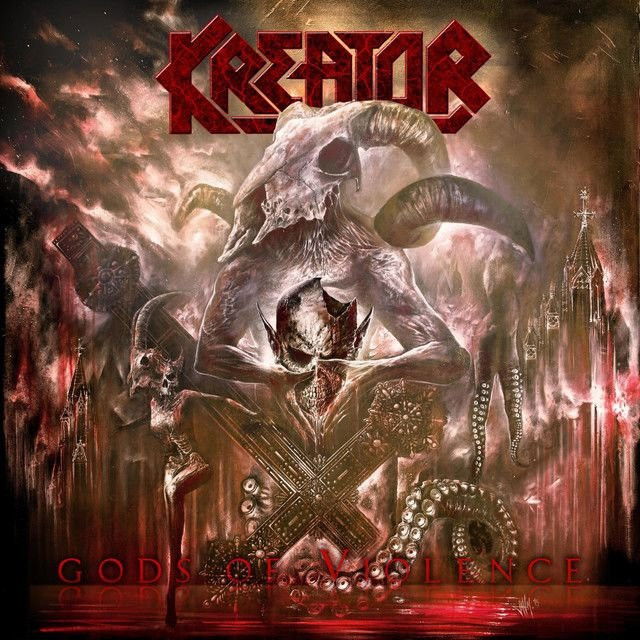
Why "Fallen Brother" by Kreator Hits So Hard
The meaning of Fallen Brother Kreator begins with a simple but heavy idea: this is a song about mourning someone gone too soon, while refusing to let that person vanish from memory. Even by thrash metal standards, the track is unusually tender. Instead of rage or attack, Kreator builds a memorial.
"Fallen Brother" - Kreator
A life united through, whatever came
The wheel of time has led your soul astray
Loading lyrics...
Unable to load lyrics
We're unable to display the lyrics at this time. Please try again later.
The song was written by Mille Petrozza, Kreator’s longtime frontman and chief songwriter. The band itself has been one of Germany’s defining thrash acts since the 1980s, a fact reflected in their official history and discography on the band’s website and Nuclear Blast artist page. That long history matters here, because the song sounds like it comes from a group thinking about legacy, brotherhood, and time.
A Metal Elegy Instead of a Battle Cry
At its core, the song addresses death as both personal loss and shared fate. The opening thought says the person left "much too young," which immediately frames the grief as unfair and unfinished. The lyrics do not dwell on details of who died. Instead, they focus on what remains: memory, kinship, and the duty of the living.
That is why the recurring phrase Fallen brother
matters so much. It is direct, almost ceremonial. Rather than describing one private emotion in detail, the song creates a public act of remembrance.
Interpretation: They seem less interested in biography than in ritual. The repeated title works like a chant at a funeral or memorial, turning grief into something collective.
Watch the official Fallen Brother
music video
How the Verses Move from Shock to Acceptance
The verses trace a clear emotional path:
- First comes the shock of early death.
- Then comes reflection on time, decay, and mortality.
- Finally, the song turns toward endurance through memory.
One key phrase is Slowly we decay
. In plain terms, the song reminds listeners that death is not only one person’s tragedy. It is the destiny everyone shares. That line broadens the message from one fallen person to all human life.
Another phrase, The memory lives on
, shifts the tone. The song does not deny pain, but it refuses annihilation. The dead remain present in story, influence, and emotional bonds.
The Chorus Turns Memory into a Vow
The chorus is where the song’s emotional center becomes clear. It repeats the title and adds ideas of kinship and loyalty. When the lyrics refer to our blood
, they suggest more than family in a narrow sense. In metal culture, “brotherhood” often includes bandmates, friends, scene members, and chosen family.
The German line Wir vergessen nicht
strengthens that vow. In context, it means they do not forget what was. This gives the chorus a communal voice, as if the whole group is speaking together.
Interpretation: The chorus says remembrance is an action, not just a feeling. To remember the fallen is to keep their place alive in the living community.
Spiritual Images Without Simple Religion
The song uses spiritual and mythic imagery, but not in a narrow church sense. References to stars, darkness, gates, and resurrection make death feel cosmic. These images lift the song beyond one funeral and place it in a larger cycle of loss and return.
One of the strongest moments arrives at the end:
Until the dawn of resurrection
Let's sing a hymn for the fallen ones
This is the article’s only longer lyric quote, and it captures the song’s final move. Instead of ending in despair, it ends in ceremony. They answer death with song.
Interpretation: “Resurrection” here can be read literally by some listeners, but it also works metaphorically. The dead rise through memory, art, and the values they leave behind.
Why the German Verse Feels So Haunted
The later German verse deepens the atmosphere. Even without translating every word, its imagery of graves, ghosts, the dead laughing, and wine mixed with grief creates a medieval, almost gothic mood. It sounds old-world and ceremonial rather than conversational.
That tonal shift matters. It links personal mourning to older traditions of elegy, where death is not hidden away but faced directly. The dead are not silent blanks here; they seem present, almost watching.
How the Music Supports the Meaning
Kreator are known for aggressive thrash, but this song leans into grandeur and weight rather than nonstop speed. The likely emphasis is on slower pacing, heavy chords, and a solemn melodic shape. That kind of arrangement makes room for reflection.
Petrozza’s vocal delivery also matters. He often sounds raw and intense, and here that rough edge keeps the tribute from becoming sentimental. The emotion lands because it still feels human, scarred, and grounded.
Interpretation: The production helps the song feel like a hymn in metal form. Instead of a flashy display, the sound carries grief with discipline and force.
The Meaning of Fallen Brother Kreator in One View
So, what is the meaning of Fallen Brother Kreator? It is a song about honoring someone lost too early, accepting mortality, and keeping faith with the dead through memory. Its central message is not that grief ends. It is that grief can become loyalty.
That is why the track stands out in Kreator’s catalog. It takes the language of metal—blood, darkness, fate, resurrection—and uses it for mourning rather than combat. The result is both intimate and communal.
Final Thought
For many listeners, "Fallen Brother" feels powerful because it does two things at once: it admits pain, and it resists erasure. It says the dead are gone, but not gone from meaning.
Disclaimer: This article offers an interpretation of the song based on its lyrics, themes, and known artist context. Different listeners may reasonably hear it in different ways.







