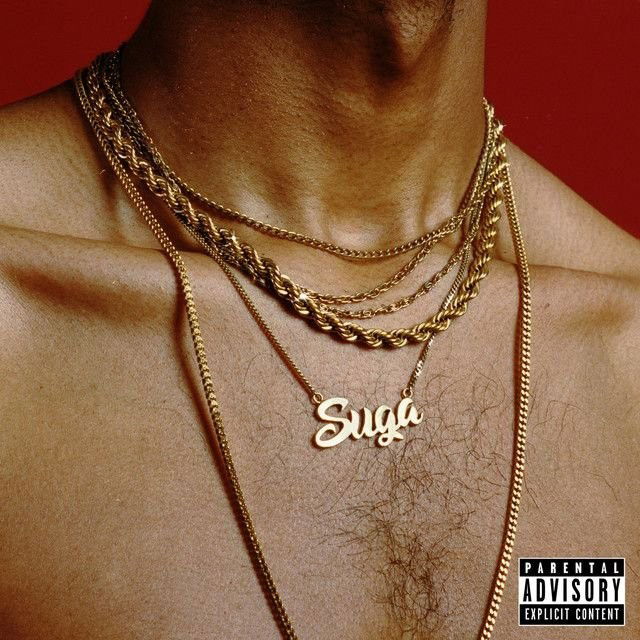
Why 'Play Too Much' Feels So Honest
The meaning of Play Too Much Kyle Dion, Duckwrth, UMI comes down to a hard truth: sometimes people say the right romantic words before they are ready to live up to them. This song turns that uneasy idea into a smooth, catchy R&B confession.
"Play Too Much" - Kyle Dion, Duckwrth, UMI
Want you close, you've been gone for a little
I've been bad, thinking
Loading lyrics...
Unable to load lyrics
We're unable to display the lyrics at this time. Please try again later.
Rather than pretending love is simple, the track shows someone trying to keep a relationship close while also admitting they are emotionally slippery. That tension is what gives the song its pull. It sounds warm and seductive, but the lyrics keep raising doubts about whether affection and commitment are really matching.
The Real Heart of the Song
At its core, the song is about emotional hesitation wrapped in charm. The narrator wants closeness and does not want the other person to leave. But they also admit that love can become a tool, something said in the moment because it helps keep the relationship together.
That is why the repeated idea of play too much
matters. They are not just joking around. They are confessing a pattern: teasing, delaying, and talking their way through intimacy instead of facing it directly.
When the song says love is just a word
, it does not sound heartless so much as skeptical. The speaker seems unsure whether the word itself means anything unless a person is ready to back it up. That makes the song less about romance alone and more about fear of emotional responsibility.

Watch the official Play Too Much
music video
Who They Are Talking To
The song clearly addresses a partner who wants reassurance. This other person seems patient, present, and emotionally invested. The narrator knows that, which is why the song carries guilt along with flirtation.
A line like anything to make you stay
reveals the real pressure point. They want the relationship to continue, but they are not speaking from a fully settled place. They are reacting to the fear of loss.
Interpretation: This creates a subtle imbalance. The narrator may care a lot, but they also know they can be persuasive and evasive. That makes the song feel both tender and a little troubling.
How the Story Unfolds
The lyrics move in a simple but effective emotional sequence:
- The narrator asks for physical closeness.
- They admit they would regret staying silent.
- They question what love even means.
- They confess they still say it to keep the bond alive.
- They finally ask for more time.
That last point is the key to the whole song. The narrator is not denying feeling. They are admitting that feeling and readiness are not the same thing.
Duckwrth's verse sharpens this idea. He brings speed, humor, and some deflection, almost as if the speaker is talking their way around a serious emotional conversation. When he spells out I L-O-V-E you
, it sounds playful on the surface, but the playfulness is the point. He treats the phrase like an object he can present, repeat, or remix instead of a settled promise.
Why the Chorus Hits So Hard
The chorus works because it is both catchy and self-incriminating. A lot of love songs try to sound certain. This one does the opposite. It says, in effect, that the speaker knows they can be unserious even in serious moments.
Oh, I play too much
Anything to make you stay
Those lines are the emotional thesis of the song. They turn the whole track into an admission that desire, fear, and manipulation can exist together.
Interpretation: The hook may also suggest self-protection. If the narrator frames everything as play, they do not have to face how vulnerable real love would make them.
Sound, Style, and Emotional Misdirection
Part of what makes the song work is how smooth it sounds. Kyle Dion's style often blends silky R&B with expressive falsetto and modern groove, while Duckwrth is known for bringing genre-bending energy across hip-hop, funk, and alternative soul spaces. Those broader artist identities are well documented in coverage from outlets like Flaunt and The FADER.
That musical blend matters here. The production feels light on its feet, sensual, and easy to sink into. Instead of dramatic heartbreak chords or explosive vocals, the song glides. This creates emotional misdirection: the arrangement feels intimate and soft, even while the lyrics describe uncertainty and avoidance.
That contrast is smart. The sweeter the song sounds, the easier it is to understand why the partner might believe the narrator. The music itself enacts the same seduction the lyrics describe.
UMI's Role in the Meaning
Even though UMI is named in the collaboration, the emotional world associated with her artistry also helps frame the track. She is widely recognized for gentle, reflective R&B that often explores intimacy and healing, as seen in artist profiles and releases covered by Billboard and NPR.
That context makes the collaboration feel fitting. The song lives in a modern R&B space where softness does not always mean certainty. Instead, softness can hide mixed motives.
The Strongest Reading of the Lyrics
The best reading is that the song is a confession of romantic immaturity, not a celebration of it. The narrator knows they blur the line between sincere affection and strategic reassurance.
Still, the song does not make them a villain. It makes them human. They want closeness. They fear losing it. And instead of offering clear commitment, they offer atmosphere, chemistry, and words that may or may not be fully settled.
That is why the meaning of Play Too Much Kyle Dion, Duckwrth, UMI feels so relatable. It captures a modern dating problem: saying enough to hold someone near while quietly hoping for more time to figure oneself out.
Final Take
"Play Too Much" is about the gap between wanting love and being ready for it. Its smooth sound masks a nervous confession about using romance as a delay tactic.
That tension is what makes the track memorable. It is seductive, funny, and uneasy at the same time.
Disclaimer: This article offers interpretation based on the lyrics, performance, and public artist context. Song meaning can remain open to listener interpretation.









