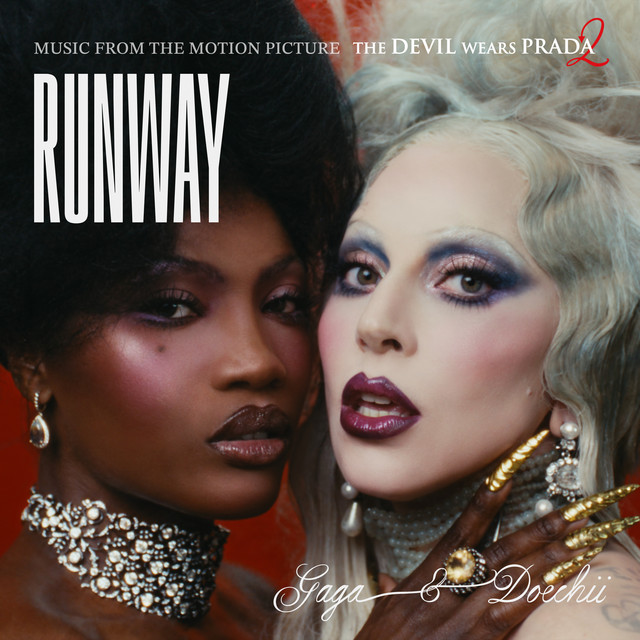
Why "RUNWAY" Turns the Club Into Power
The meaning of RUNWAY Lady Gaga, Doechii starts with a simple idea: performance can be a form of self-rule. This song does not just celebrate looking good. It turns style, dancing, and public attention into proof of power.
"RUNWAY" - Lady Gaga, Doechii
You got to strut
Walk, I'm feeling fab
Loading lyrics...
Unable to load lyrics
We're unable to display the lyrics at this time. Please try again later.
Lady Gaga and Doechii both have long histories with transformation, bold visuals, and turning spectacle into identity. In "RUNWAY," they bring that energy into a tight, chant-heavy anthem where the dance floor becomes a place to be judged, admired, and finally owned.
More Than Fashion, It’s Control
At the center of the song is the repeated claim that they can turn a dance floor into a runway
. That line matters because it changes an ordinary social space into a stage. A runway is not just about clothes. It is about command, timing, gaze, and confidence under pressure.
Interpretation: the song argues that attention is not something happening to them. It is something they direct. Even when cameras flash or critics stare, the speakers act like the room belongs to them.
That idea appears early when the voice says I came to be seen
. Paraphrased, the message is not shy or defensive. They are not asking for approval. They are announcing presence.
How the Verses Build a Persona
The verses present a character who is glamorous, disruptive, and impossible to ignore. Phrases like feeling fab
and dangerous
create a persona built on risk and shine at the same time.
There is also humor in the boasting. The song knows that exaggerated confidence can be fun, campy, and theatrical. That balance is important for Gaga especially, since her pop career has often mixed seriousness with performance art. Doechii brings a sharper rap bite, adding attitude and movement to the track’s self-mythology.
The Story Beat by Beat
The song moves in a clear pattern:
- The speaker enters with total confidence.
- The crowd reacts with admiration and noise.
- The dance floor becomes a symbolic runway.
- Cameras, fashion, and motion blend into one image.
- The ending broadens the message: this boldness belongs to anyone ready to step out.
That last shift matters. Near the end, the song moves from "I" to a wider statement: born for the runway
. The message becomes less personal and more communal, almost like a pep talk for the listener.
The Chorus Is the Whole Thesis
The chorus is catchy because it is repetitive, but its deeper job is to turn confidence into ritual. Repeating the central image again and again makes the transformation feel automatic. Monday or Sunday, any night can become a showcase.
Interpretation: this is why the song feels bigger than a party track. It suggests that self-fashioning is not occasional. It is daily. The runway is anywhere a person decides to carry themselves with visible confidence.
The chorus also frames glamour as labor. A runway walk looks effortless, but it takes control. By repeating that transformation, the song hints that confidence is practiced until it feels natural.
Cameras, Crowds, and the Gaga Connection
The song’s imagery fits Lady Gaga’s larger artistic world. She has often explored fame, spectatorship, and performance, especially in songs and visuals that treat the public gaze as both thrilling and invasive. That history gives lines about cameras and being watched extra weight. Listeners familiar with her work can hear echoes of earlier fame themes through a more playful, club-driven lens.
Doechii adds a newer edge. Her style often mixes technical rap skill with character acting, which makes her a strong fit for a song about presence. Together, they do not sound passive in front of cameras. They sound like directors of the shot.
For factual context on Gaga’s career and discography, readers can visit her official site. For Doechii’s artist background, her Grammy profile offers a concise overview.
Why the Sound Sells the Meaning
Production is a big part of the meaning of RUNWAY Lady Gaga, Doechii. The beat is built for motion: hard percussion, a steady pulse, and chant-style hooks that feel made for a club or fashion-show strut. The arrangement does not need much softness because the point is forward movement.
The vocals help too. Gaga’s delivery leans into drama and repetition, while Doechii sounds nimble and cutting. That contrast makes the track feel both polished and alive. One artist sells the pose; the other sells the attack.
A Song Built for Strut, Not Reflection
This is not a confessional record. It is intentionally surface-forward, but that surface has meaning. In pop, glamour can be a mask, a shield, or a weapon. Here it works as all three.
When the song uses commands and crowd-ready responses, it creates the feeling of public ceremony. The listener is not just hearing confidence. They are being invited to perform it.
Two Strong Readings of "RUNWAY"
Interpretation 1: A pure confidence anthem. The most direct reading is that the song celebrates self-expression, body pride, and owning a room without apology.
Interpretation 2: A comment on visibility. A deeper reading is that the song is about surviving the gaze by mastering it. Instead of shrinking under public attention, the speakers turn scrutiny into fuel.
Both readings can be true at once. That is part of why the song works.
Final Take on the Song’s Message
In the end, "RUNWAY" is about more than fashion language or club energy. It frames visibility as agency and swagger as a practiced art. The dance floor becomes a place where identity is not hidden, but staged on purpose.
That is the real meaning of RUNWAY Lady Gaga, Doechii: they turn being looked at into a kind of victory. And they make it sound thrilling.
Disclaimer: This interpretation is based on the released lyrics, performance style, and public artist context. Like all pop songs, "RUNWAY" can support more than one meaning.







