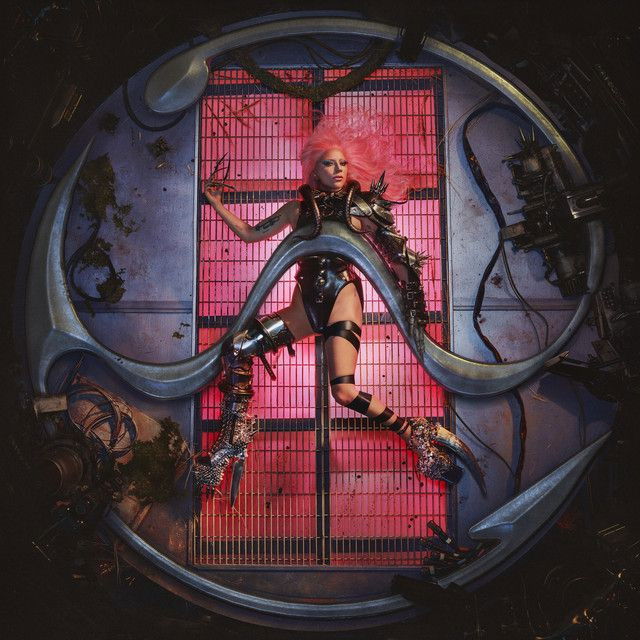
Replay by Lady Gaga
They come to Replay looking for a pulse: why does a sleek club track feel so raw? The meaning of Replay Lady Gaga fans most often discuss is how it turns a private mental loop into a public dance-floor confession. It’s a song about trauma that refuses to whisper.
"Replay" - Lady Gaga
Where am I, I cry
Who was it that pulled the trigger, was it you or I?
Loading lyrics...
Unable to load lyrics
We're unable to display the lyrics at this time. Please try again later.
The Loop at the Heart of the Track
At its core, Replay is about memory wounds that won’t fade. The hook circles like a scratched disc, insisting that mental scars keep resurfacing. When they sing the scars on my mind
, the idea is simple and stark: damage lingers.
Interpretation: The “replay” is not nostalgia; it’s compulsion. Pain returns in patterns, and the body keeps the score even when the party is loud. That tension—hurt inside, hedonism outside—defines the track’s sting.
The scars on my mind are on replay, r-replay The monster inside you is torturing me

Watch the official Replay
music video
Who’s Speaking, and Who’s the “You”?
The narrator speaks in the first person to a second person who caused harm. Early confusion—Am I still alive?
—frames shock and dissociation. Later, the blame shifts outward with you had the gun
, suggesting a power imbalance.
Interpretation: The “you” can be read two ways. It could be a specific abuser or toxic partner. It could also be the narrator’s own intrusive thoughts personified as a monster. Either way, naming the source is the first step toward reclaiming agency.
A Quick Timeline of the Emotional Spiral
- Shock: The opener questions reality and responsibility, mixing numbness with accusation.
- Compulsion: The chorus returns to the loop, where the mind replays the worst moments.
- Self-entrapment: Digging a metaphorical grave signals a habit of sitting inside the pain rather than escaping it.
- Reckoning: The bridge repeats
you had the gun
, hammering home accountability. - Aftershock: The mantra
your monsters torture me
shows that the hurt echoes even after the scene ends.
Each beat ratchets tension while the groove never stops—a deliberate clash between content and form.
Symbols, Metaphors, and Why They Matter
- Scars: Persistent, healed-yet-visible harm; proof that what happened still marks the narrator.
- Monster: A stand-in for abusers, addiction, or intrusive thoughts that “torture.” It externalizes chaos so it can be confronted.
- Gun: A metaphor for power and agency; the line asserts who held control when the damage was done.
- Grave and dirt: Dark images for depression and rumination. Scratching at the ground to pull out of pain suggests survival instincts fighting back.
Together, they turn inner psychology into vivid, cinematic images the beat can carry.
How the Sound Makes the Story Hit Harder
Replay’s production fuses four-on-the-floor house drums with jagged string stabs and gritty synths. The arrangement feels like a club mirror cracked down the middle. Producers BloodPop and Burns drive a tight, metronomic pulse; the stuttered vocal chops and sudden filter sweeps mimic mental glitches. When the bridge locks into a mantra, the mix narrows and grows harsher, echoing the suffocating focus of intrusive thoughts.
Interpretation: The song’s “replay” isn’t only in the lyrics. It’s embedded in the structure—looped hooks, cycling bass, and percussive repetition—so the listener physically experiences the compulsion the narrator describes.
Where It Fits on Chromatica
On Chromatica (2020), Gaga aimed to dance through pain rather than past it. Replay sits in the album’s center as a statement of purpose: name the trauma, keep moving, and use pop discipline to frame chaos. That balance—ecstasy and exorcism—made the track a stealth fan favorite and a highlight on the Chromatica Ball tour, where its industrial edge got even sharper.
Two Plausible Readings, Side by Side
- Relationship trauma: The lyrics point to a harmful partner whose “monster” side cycles between charm and cruelty. The grave-and-gun imagery maps cleanly onto abuse and blame.
- Internal battle: The “you” could be the narrator’s own illness—PTSD, depression, or anxiety—turned into a foe they can talk back to. In this lens, self-address becomes self-defense.
Interpretation: These readings can coexist. A real event can seed an inner loop; the brain replays what a person did until it sounds like an internal voice. The song honors that complexity without losing pop focus.
Why the Chorus Sticks
The meaning of Replay Lady Gaga hinges on a paradox: dancing as coping. The hook is addictive, but the words are heavy. That contradiction is the point. They’re not escaping; they’re alchemizing pain into motion so it stops owning them.
Takeaway
Replay turns trauma into architecture: hooks that loop like memories, drums that pace anxiety, and images that hold a difficult truth. It’s a pop song that refuses to turn away—and finds catharsis in the act of looking.
Disclaimer: This is an interpretation based on the officially released recording and public information, not definitive artist intent.
Sources
- https://www.rollingstone.com/music/music-news/lady-gaga-chromatica-zane-lowe-interview-987814/
- https://www.discogs.com/release/15529331-Lady-Gaga-Chromatica
- https://pitchfork.com/reviews/albums/lady-gaga-chromatica/
- https://www.rollingstone.com/music/music-album-reviews/review-lady-gagas-chromatica-1005314/
- https://www.billboard.com/music/pop/lady-gaga-chromatica-ball-tour-set-list-1235118055/









