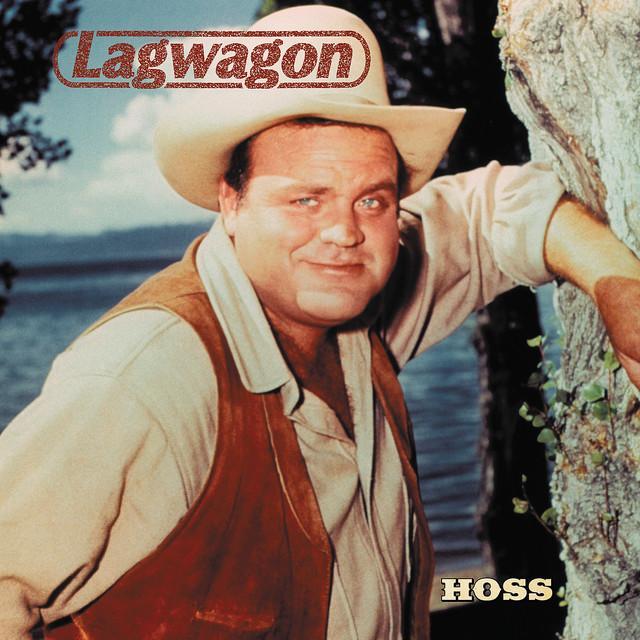
Violins by Lagwagon
Why This Breakup Song Still Cuts
The meaning of Violins Lagwagon comes from tension between confession and accusation. They build a narrator who knows they are messy, impulsive, and often wrong, yet still keeps reaching back toward the person they hurt. That makes the song less like a simple breakup anthem and more like a portrait of self-sabotage.
"Violins" - Lagwagon
And I have to, keep telling myself that
I am just a hypocrite,
Loading lyrics...
Unable to load lyrics
We're unable to display the lyrics at this time. Please try again later.
Lagwagon emerged from California’s melodic punk scene in the 1990s, led by Joey Cape, who is widely credited as the band’s singer and principal songwriter in many official band and label materials, including Fat Wreck Chords and the band’s official site. In this case, the user-provided credits name Joseph Cape as the writer, which fits that authorship history.

Watch the official Violins
music video
The Core Story: Wanting Closeness, Causing Distance
At the center of the song is a speaker who wants the relationship back but cannot stop replaying the habits that damaged it. Early on, they call themselves just another fool
and a hypocrite. That matters because the song does not hide behind innocence. They already know they have said too much, judged too fast, and turned insecurity into conflict.
The line about assumption being the source of mistakes pushes that idea further. The narrator talks first, thinks later, and then watches the damage spread. When they ask why the other person would choose somewhere else when you could be here
, it sounds needy on the surface. Underneath, it reveals panic: they feel the bond slipping, but they do not know how to fix it.
A Narrator Trapped in Their Own Pattern
Self-awareness does not equal change
One of the strongest parts of the song is how clearly the narrator sees their flaws. They admit they forgot to hold back. They admit they replaced intimacy with drinking and waking up in an unfamiliar place. They admit the relationship has broken down.
But that self-awareness never becomes maturity. Instead, it turns into another form of drama. They say they want something real, yet they still frame themselves as both victim and guilty party. That contradiction is the emotional engine of the song.
Interpretation: this is why the lyrics feel believable. The narrator is not polished or wise. They are halfway between apology and resentment, which is exactly where many breakups stay.
The Ashtray World of the Song
The song’s images are dirty and uncomfortable by design. Phrases like ashtray life
and the bottle in hand suggest emotional burnout, routine damage, and a life shaped by bad coping habits. This is not a glamorous heartbreak song. It lives in stale rooms, hangovers, and the feeling of being discarded.
That imagery also makes the other person’s distance easier to understand. The narrator says they were pushed out and treated like the joke’s target, but the lyrics also show why the breakup happened. They forgot care and maintenance in the relationship, almost comparing love to something neglected until it fails.
A brief lyric moment that sums it up
The song’s emotional center comes through in this short passage:
How are you, how have you been
Girl I miss you, want to see you again
Those lines are simple, but they hit because they arrive after so much damage. The narrator wants reunion in plain language, without cleverness. That honesty is touching, even if it comes too late.
What the Chorus Really Means
When the song repeats the feeling that love is slipping away
, it gives the whole track its shape. The verses describe mistakes; the refrain names the consequence. Every excuse, insult, and drunken spiral leads back to the same result: loss.
Then comes the title word, Violins
, repeated almost like a sneer. Interpretation: this likely works as irony. In everyday speech, violins can suggest exaggerated pity, like a sarcastic soundtrack for someone feeling sorry for themselves. That reading fits the song’s self-mocking tone. The narrator is suffering, but they may also know they helped compose their own tragedy.
There is another possible layer too. Violins also carry sadness and melodrama in popular culture. So the title can hold both meanings at once: real grief and a hint that the narrator is performing that grief.
How the Sound Carries the Message
Lagwagon’s style matters to the meaning of Violins Lagwagon. Their melodic hardcore and punk approach, documented across AllMusic and Fat Wreck Chords, usually combines speed, tight rhythm playing, and strong hooks. That musical setting turns emotional confusion into momentum.
In “Violins,” the likely effect is contrast. The lyrics describe shame, craving, and anxiety, while the music moves quickly. That makes the narrator sound trapped inside racing thoughts. They do not calmly reflect; they rush, blurt, and lunge emotionally, just as the words suggest when clumsy words escape
.
Anxiety in motion
The repeated mention of anxiety is key. Punk is a natural container for that feeling because the form itself is tense and urgent. Fast drums and sharp guitar lines can make regret feel immediate instead of distant. Rather than softening the breakup, the arrangement keeps it raw.
Two Strong Readings of the Song
Reading one: a breakup confession
The clearest reading is that this is about a failed romance. The narrator misses someone, knows they pushed them away, and cannot let go. The language of replacement, service, breakdown, and reunion all supports this.
Reading two: a critique of self-pity
A second reading is more subtle. The song may also be mocking the narrator’s own behavior. By ending on “violins,” it hints that even their pain has become theatrical. They are hurt, yes, but they are also stuck in a loop where pain becomes identity.
Both readings can be true at once. That layered tone is one reason the song lasts.
Why the Song Endures
“Violins” stays powerful because it understands an ugly truth: people can recognize their faults and still repeat them. The narrator wants forgiveness, connection, and honesty, but keeps falling back into blame, panic, and self-destruction.
That is the heart of the meaning of Violins Lagwagon. It is not just about losing someone. It is about watching them drift away while knowing they helped create the distance.
Disclaimer: This article offers interpretation based on the lyrics, the song’s tone, and publicly available artist context. Meanings can vary from listener to listener.







