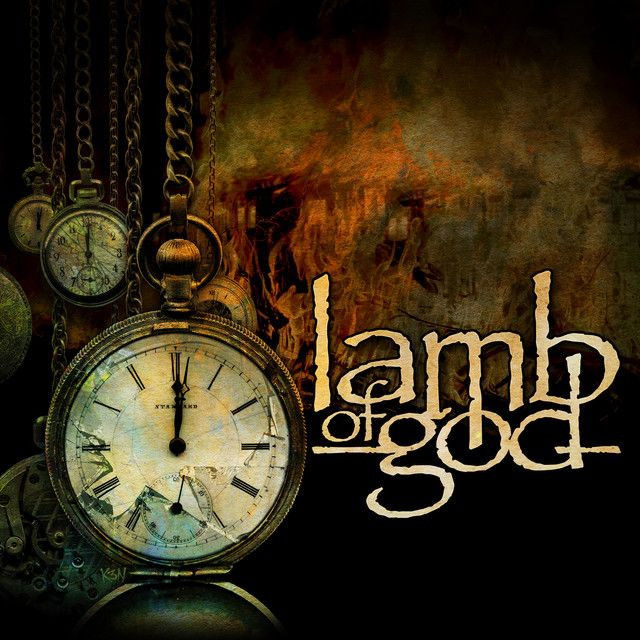
What “Memento Mori” by Lamb of God Means
The meaning of Memento Mori Lamb of God starts with death, but it does not end there. The song uses the old Latin phrase as a blunt reminder that life is limited, which makes attention, presence, and self-control matter more.
"Memento Mori" - Lamb of God
I think I'm drowning, this dream is killing me
(Wake up, wake up, wake up)
Loading lyrics...
Unable to load lyrics
We're unable to display the lyrics at this time. Please try again later.
Released on Lamb of God’s 2020 self-titled album, the track was shaped from parts guitarist Mark Morton had been developing before he, Willie Adler, and producer Josh Wilbur pulled them together into one piece, according to Songfacts. That backstory matters because the song itself feels split between two states: dreamy paralysis and violent clarity.
A Death Reminder That Pushes Them Toward Life
On paper, memento mori
means “remember you must die.” In many works of art, that phrase points to humility or the shortness of life. In this song, Lamb of God turn it into a command to stop drifting.
Randy Blythe explained that he wrote the song as a reminder not to be consumed by “electronic harbingers of doom” like phones, computers, and TV, as quoted by Songfacts. That statement gives the clearest factual frame for the lyrics: this is not only about mortality, but also about modern overload.
Interpretation: the song argues that constant connection can become a kind of spiritual sleep. Remembering death becomes a way to cut through fake urgency and ask what deserves real attention.
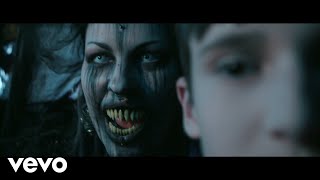
Watch the official Memento Mori
music video
The Lyrics Move From Nightmare to Resistance
The opening images place the speaker in a cold, fading landscape. Rivers, leafless trees, winter, and dying stars suggest a mind trapped in depression or dissociation. When they say they are drowning
and falling through a frozen world, the song makes inner panic feel cosmic.
Then comes the repeated cry, wake up
. That phrase is simple, but it changes the whole meaning of the song. Instead of surrendering to fear, the speaker starts naming the trap.
A key section points to depression fed by overload
. That line connects emotional collapse to excess input. The song also mentions too many choices and relentless voices, which sounds like the stress of endless notifications, opinions, and bad news.
Three big lyrical turns
- Disorientation: the speaker feels trapped in a dying dream.
- Diagnosis: they identify overload, false perception, and obsessive distraction.
- Defiance: they reject the lie and choose to wake up.
That arc is why the chorus lands so hard. It is not just dramatic; it is a decision.
What the Chorus Really Says
The central hook ties the song together by pairing struggle with urgency. When the speaker says they are waking from a lie and insists don’t waste this day
, the death theme becomes practical.
This is where the meaning of Memento Mori Lamb of God becomes sharpest. The song is not saying “fear death.” It is saying: because life ends, do not hand your mind over to noise, fear, and passive consumption.
Interpretation: the chorus turns mortality into a tool for mental survival. Awareness of death helps them recover a sense of now.
Images of Collapse, Screens, and False Reality
The song’s symbols work in two layers. First, there is natural imagery: rivers, winter, stars, and shards. Second, there is social imagery: overload, endless strands, obsessive streams, and relentless voices.
Those two layers clash on purpose. Nature in the song feels distant and frozen, while modern life feels crowded and artificial. Blythe’s own explanation supports that reading; he said the song warns against living only through “digitally filtered representations of reality,” via Songfacts.
The phrase false perceptions
matters here. It suggests that the problem is not information alone, but a warped relationship to it. The speaker is not merely sad; they are surrounded by systems that distort attention and intensify dread.
Why the Sound Hits Like an Alarm
The music carries the message as strongly as the words. Songfacts notes that the track opens with eerie guitars before Blythe’s scream kicks the full band into motion. That structure feels like being pulled out of a trance.
Morton also said the intro gave Blythe a “Sisters of Mercy type vibe,” according to Songfacts. That gothic touch matters. It gives the opening a haunted, suspended mood before the riffs turn the song into a full attack.
Once the heavy section arrives, the drums and guitars feel relentless, almost like the pressure the lyrics describe. But the aggression is purposeful, not chaotic. It sounds like resistance. In other words, the band make awakening feel physically violent because change often does.
A Video Full of Monsters, and Why That Fits
The song’s video deepens the theme. Blythe said he wrote the narrative treatment to show how warped the mind becomes when it focuses only on catastrophe, again cited by Songfacts. If all someone sees is doom, they start seeing monsters everywhere.
That idea matches the lyrics perfectly. The song is about external noise becoming internal terror.
The Lasting Takeaway
The best way to hear “Memento Mori” is as a modern metal meditation on attention. Death is the title idea, but the emotional target is distraction, despair, and disconnection.
Lamb of God turn a classic phrase into a present-day challenge: wake up, return to the real world, and use limited time well. That is what gives the song its force.
Disclaimer: This article offers a good-faith interpretation based on the lyrics, artist comments, and available sources. Song meanings can remain open to individual listeners.








