Why 'Diet Mountain Dew' Feels So Dangerous
The meaning of Diet Mountain Dew Lana Del Rey comes down to a sharp contradiction: they know this person is bad for them, but they still want the thrill. That tension powers the whole song. It sounds bright, flirtatious, and playful, yet the words keep circling back to risk, false promises, and a romance built more on adrenaline than trust.
"Diet Mountain Dew" - Lana Del Rey
Baby, you're no good for me
You're no good for me
Loading lyrics...
Unable to load lyrics
We're unable to display the lyrics at this time. Please try again later.
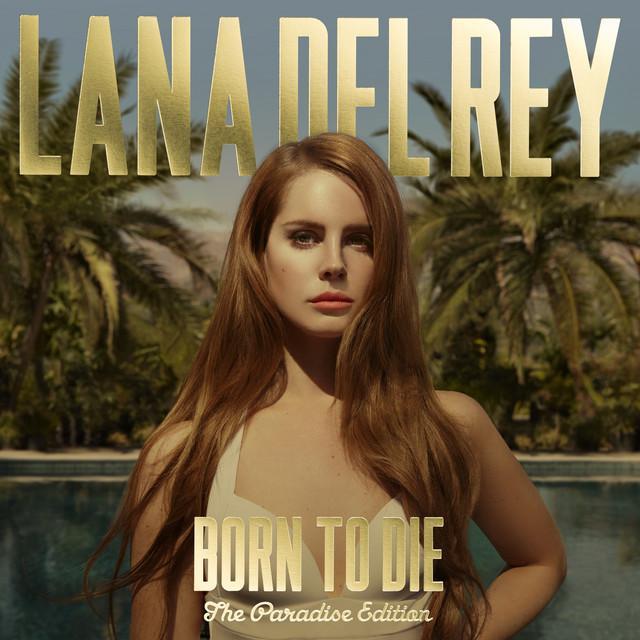
Lana Del Rey released "Diet Mountain Dew" on the standard edition of Born to Die in 2012, and the song is credited to Elizabeth Grant and Mike Daly. It sits inside the early Lana style that mixed Americana, glamour, and damaged desire into something both dreamy and uneasy.
The Core Tension at the Center
At its heart, the song is about wanting what they already know will hurt. The opening idea says that plainly: the other person is no good for me
, but the attraction does not go away. That single conflict gives the track its emotional shape.
Interpretation: Rather than describing a healthy romance, the song captures the stage where someone sees the warning signs and chooses the fantasy anyway. They are not confused. They are tempted.
The repeated question about whether the couple will be in love forever matters because it sounds less like confidence and more like a wish. The song does not present forever as solid. It presents it as something people say when they are trying to make a fleeting feeling seem permanent.

Watch the official Diet Mountain Dew
music video
Bright Images, Dark Impulses
The chorus wraps danger in shiny pop imagery. Phrases like Diet Mountain Dew
and New York City
feel fizzy, stylish, and fast. They suggest youth culture, convenience, sugar, and motion. Nothing here feels grounded or lasting.
That is part of the point. The relationship is framed like a late-night scene from a movie: exciting, colorful, and slightly unreal. The song keeps asking the listener to notice how easy it is to confuse surface beauty with emotional safety.
Why the Title Works So Well
The title is clever because it sounds disposable. A branded soft drink is instant pleasure, not deep nourishment. Interpretation: calling the romance "Diet Mountain Dew" hints that this love is addictive and stimulating, but maybe thin at the center.
It also matches Lana Del Rey's early fascination with American consumer images. She often used familiar objects to build myths around longing, beauty, and decay.
The Story Moves Like a Night Drive
Much of the song plays out through motion. There are cars, waiting, smoke, speed, and roadside stops. The line about heart-shaped sunglasses
adds a playful costume element, as if the speaker is dressing for a role. They are not just in love; they are entering a fantasy.
Then the imagery gets rougher. The song mentions lies, ashes, and the rush of going fast. Those details suggest a romance that runs on momentum. It keeps moving so neither person has to sit still long enough to face what it really is.
A later image of 7-Eleven
and a white Pontiac places the relationship in a very American landscape of gas stations, convenience, and passing nights. These are not images of home or stability. They are images of transit.
Desire, Religion, and Self-Awareness
One of the song's boldest moments is the dashboard-Jesus image. It pushes away guilt and moral warning in favor of immediate desire. The message is not subtle: both people know why they are there, and neither wants to pretend otherwise.
Interpretation: This is not really an attack on religion. It is more about removing judgment from the car so the fantasy can continue uninterrupted. The speaker knows the affair is reckless, but they choose the ride anyway.
That self-awareness is what makes the song stronger than a simple bad-boy anthem. They are not fooled by the other person. They see the lies, the speed, and the emptiness. They just keep returning to them.
How the Sound Sells the Fantasy
Production matters a lot to the meaning of Diet Mountain Dew Lana Del Rey. The track has a glossy, upbeat energy that makes the danger feel seductive instead of heavy. The melody is catchy and almost girlish, while Lana's vocal delivery stays cool and slightly detached.
That contrast is key. If the song sounded harsh, the message would feel obvious. Instead, the sweetness of the production mirrors the trap inside the lyrics: toxic attention often arrives dressed as fun.
The song also fits the larger Born to Die world, where hip-hop influence, retro pop, and cinematic vocals helped Lana create characters who chase glamour even when it leads to collapse. That album's themes of doomed romance and American myth are all over this track.
A Few Strong Symbols to Notice
Several motifs deepen the song's meaning:
- Cars and rides: motion, danger, surrender
- Soft drinks and stores: instant pleasure, disposable culture
- Sunglasses and beauty: self-styling, performance, illusion
- Speed and smoke: intoxication, loss of control
- Questions about forever: insecurity hidden inside romance
Together, these images show a relationship that feels cinematic because it may not survive real daylight.
Final Reading: Thrill Over Truth
The best way to read the song is as a portrait of emotional contradiction. They crave intensity, attention, and style, even while admitting the person is harmful. The hook keeps sparkling, but the repeated confession underneath never disappears.
So the meaning of Diet Mountain Dew Lana Del Rey is not just "toxic love." It is about why toxic love can feel so irresistible when it arrives wrapped in beauty, speed, and the promise of forever.
Disclaimer: This interpretation is based on the lyrics, recorded performance, and public song credits. Like most pop songs, it can support more than one reading.







