What "Gods and Monsters" Really Says
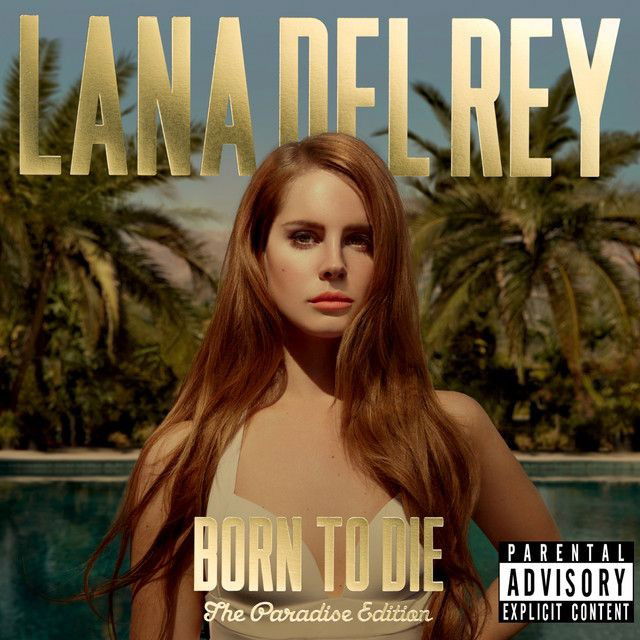
The meaning of Gods and Monsters Lana Del Rey starts with a conflict: desire feels thrilling, but it also feels dangerous. On the 2012 Paradise EP and Born to Die: The Paradise Edition, Lana Del Rey builds a world where glamour, sex, fame, and self-destruction blur together. Factually, the song was written by Elizabeth Grant and Tim Larcombe, and produced by Tim Larcombe with additional production by Emile Haynie, according to release credits summarized by Wikipedia.
"Gods and Monsters" - Lana Del Rey
(L.A., L.A.)
In the land of gods and monsters
Loading lyrics...
Unable to load lyrics
We're unable to display the lyrics at this time. Please try again later.
At its core, the song presents a narrator who knows they are drifting into a hollow kind of paradise and still moves toward it. That tension is why the track feels so strong. It is not a simple celebration of excess. It sounds more like a confession from someone who sees the trap and keeps walking.
A Fallen-Angel Story in Hollywood Light
The opening image gives the whole song its frame. The narrator places themselves in a corrupted paradise, calling it a land of gods and monsters
. In plain terms, they are describing a world that looks divine on the surface but is filled with moral decay underneath.
When the song says the speaker was an angel in a garden of evil, it turns religious imagery upside down. Innocence is present, but it cannot survive unchanged. Interpretation: this is one of Lana Del Rey's clearest portraits of Los Angeles as both dream factory and spiritual wasteland.
That reading fits the song's recurring mention of L.A. and its use in Del Rey's short film Tropico, where the track scores scenes of performance, temptation, and spectacle, as noted in coverage of the film's release and song history at Wikipedia.
Watch the official Gods and Monsters
music video
Desire as Medicine, Poison, and Performance
One of the smartest things in the song is how it treats pleasure like a drug. The narrator asks for the medicine I need
, then connects that need to fame, love, liquor, and harder forms of escape. The point is not medical at all. It is emotional hunger.
They are not searching for healing. They are searching for numbness, intensity, and maybe even oblivion. That is why the song keeps mixing romance, addiction, and celebrity into the same language.
There is also a strong element of performance. The line about a hidden groupie posing as a singer suggests anxiety about authenticity. Interpretation: the narrator may be asking whether desire has become a role they perform, not just a feeling they experience. In other words, the self is becoming part of the show.
When Art Starts Running Life
The phrase life imitates art
matters because it explains the song's dreamlike danger. Movies, rock-star myths, and pop-cultural fantasies are no longer just references. They become instructions.
That idea reaches its sharpest point in the song's most direct summary of what is being lost:
No one's gonna take my soul away
Living like Jim Morrison
Headed towards a fucked up holiday
Paraphrased, the speaker insists on spiritual freedom even while following a famously self-destructive model. The contradiction is the point. They want agency, but the path they choose threatens that very soul.
Why the Jim Morrison Reference Matters
The Morrison image is not random. He represents a version of rock mythology built on freedom, sex, danger, and collapse. Bringing him into the chorus turns the song into a meditation on old American icons and the price of living like them.
This is where the meaning of Gods and Monsters Lana Del Rey expands beyond one night or one relationship. The song becomes about a national fantasy: if people chase beauty and rebellion hard enough, they might touch something transcendent. But Del Rey suggests the result is often emptier than it looks.
The repeated phrase innocence lost
confirms that point. It is not framed as a shocking twist. It feels inevitable, as if the narrator knew the cost from the beginning.
How the Sound Deepens the Message
Musically, the track's slow pulse helps sell its meaning. Sources describe it as blending trip hop, alt-pop, and baroque pop, with strings and horns adding a grand, cinematic mood, while Larcombe handled key instruments and Dan Heath contributed arrangements, per song credits collected at Wikipedia.
That mix matters. The beat does not rush; it drifts. The production feels soft, heavy, and narcotic, which mirrors the lyrics' pull toward surrender. Del Rey's vocal is calm rather than explosive, making the song feel emotionally detached in a way that critics noticed.
Carl Williott of Idolator argued that the delivery gives the song a feeling of sex mixed with detachment, a brief critical point quoted on Wikipedia. That observation helps explain why the track is unsettling. The numbness is part of the meaning.
Two Strong Readings of the Song
Interpretation 1: A portrait of Hollywood temptation. The song can be heard as a dark map of Los Angeles, where beauty, celebrity, and danger all come packaged together.
Interpretation 2: A character study in self-aware ruin. The narrator understands the damage and still chooses the thrill. That makes the song less about being fooled and more about consenting to the illusion.
Both readings work because Del Rey never fully separates seduction from criticism. They stay tangled together.
Why the Song Still Connects
Part of the song's afterlife comes from how clearly it captures Lana Del Rey's early artistic world: American myth, damaged glamour, and spiritual emptiness under beautiful surfaces. Its later use in American Horror Story: Freak Show through Jessica Lange's cover also shows how naturally the song fits theatrical darkness and decay, as documented by Wikipedia.
In the end, the song is about what happens when paradise turns predatory. It offers pleasure, status, and fantasy, but asks for innocence in return. That is the real meaning of Gods and Monsters Lana Del Rey: a confession from someone staring straight at corruption and calling it heaven anyway.
Disclaimer: This interpretation blends verified song facts with critical reading. Like most art, the song can support more than one meaning.