Happiness is a butterfly by Lana Del Rey
Why This Song Feels So Slippery
The meaning of Happiness is a butterfly Lana Del Rey centers on one hard truth: joy feels closest when it is also most likely to disappear. On the surface, the song is about a late-night romance filled with mixed signals, danger, and desire. Under that, it becomes a portrait of someone chasing comfort in a relationship that may never feel fully safe.
"Happiness is a butterfly" - Lana Del Rey
I heard one thing, now I'm hearing another
Dropped a pin to my parking spot
Loading lyrics...
Unable to load lyrics
We're unable to display the lyrics at this time. Please try again later.
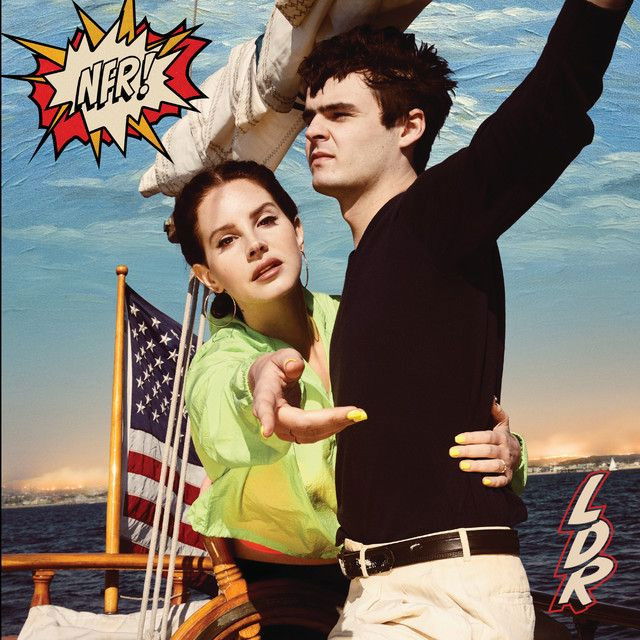
Lana Del Rey released the song on Norman F*****g Rockwell! in 2019. The album often pairs California beauty with emotional wreckage, and this track fits that pattern. The singer moves through bars, cars, streets, and phone calls, but the emotional setting is uncertainty.

Watch the official Happiness is a butterfly
music video
The Core Idea Behind the Butterfly
The title image does most of the song’s work. A butterfly is beautiful, delicate, and hard to hold onto. When the chorus says Happiness is a butterfly
, it turns happiness into something living and unstable.
That metaphor suggests two things at once. First, joy is real; they can see it and feel it. Second, the act of chasing it may be exactly why it slips away. The line about it escaping into moonlight
pushes that feeling further, connecting happiness to night, fantasy, and distance.
Interpretation: The song is not saying happiness is fake. It is saying happiness is brief, especially for someone whose love life is built on doubt and emotional bruises.
A Love Story Built on Mixed Signals
Wanting closeness without security
The opening question asks whether the other person really wants them. Right away, the relationship feels unstable. They hear one thing, then another, and that confusion shapes the rest of the song.
The details are specific and cinematic: a parking spot pin, a hot bar, 2 a.m., summer air. Lana Del Rey often writes with this kind of location-based realism. It makes the scene feel casual, but the emotions are anything but casual.
Soon, the song shifts from uncertainty to vulnerability. They ask not to be dismissed, and the phrase don't be a jerk
sounds almost playful at first. But what follows is much sadder: they are left crying, physically close to the person yet emotionally exposed.
sitting in your sweatshirt
crying in the backseat
That brief image says a lot. The sweatshirt implies intimacy, but the tears show that intimacy is not the same as safety.
Desire Wins Even When Caution Speaks
One of the song’s most striking moments is the mention of a serial killer
. This is not best read as a literal accusation. It works more like dramatic language for a person who seems dangerous, destructive, or emotionally toxic.
The important part is what comes next: they say they are already hurt
. That changes the meaning of the threat. The song suggests someone can become less careful when pain already feels familiar. Instead of asking, “Is this relationship healthy?” they ask, “How much worse can it really get?”
Interpretation: This is one of Lana Del Rey’s clearest portraits of damaged attraction. The speaker sees warning signs, but shared pain still creates a bond. They even imagine the other person as wounded too, which softens the danger and makes leaving harder.
The Chorus Turns Pain Into Motion
For all its sadness, the song keeps returning to movement. The repeated wish to dance matters because dancing is the opposite of overthinking. When they say they just want to dance with the other person, they are asking for a temporary escape from fear, labels, and emotional analysis.
That is why the chorus and post-chorus feel so important. They do not solve the relationship. They simply offer a moment where music, touch, and rhythm make life bearable.
In that sense, the song’s structure mirrors its message:
- The verses describe confusion and emotional risk.
- The chorus reaches for happiness.
- The refrain about dancing offers brief relief.
The result is a cycle of hurt, hope, and escape.
Streets, Night Drives, and California Dream Logic
The references to Hollywood, Vine, Sunset, the canyon, and the club are not random. They place the story in a very Lana Del Rey world: glamorous on the outside, lonely underneath. Los Angeles becomes a stage where desire and disappointment keep crossing paths.
Cars also matter. Driving in this song is not just travel; it is emotional transition. They move from canyon to club, from street corner to backseat, from one version of themselves to another. The lyric about being one thing and then another shows identity itself becoming unstable.
Interpretation: The city imagery suggests a person trying to outrun pain through motion, nightlife, and romance, yet carrying that pain everywhere.
How the Sound Deepens the Meaning
The production, shaped by Jack Antonoff and Rick Nowels with Del Rey, is soft, hazy, and slow-burning. Rather than explode, the song drifts. That choice matters. A harsher arrangement might make the relationship sound thrilling; this one makes it feel tired, dreamy, and a little doomed.
The melody floats like a lullaby, which matches the lyric about every day feeling like one. But this is not a peaceful bedtime song. It feels sedated, as if they are soothing themselves through repeating patterns. Del Rey’s vocal delivery stays intimate and restrained, which makes the sadness sound accepted rather than dramatic. Album credits are listed by Interscope Records.
Final Take on the Song’s Meaning
The meaning of Happiness is a butterfly Lana Del Rey is about chasing tenderness in a relationship clouded by doubt. It captures how people can recognize danger, feel heartbreak in advance, and still reach for one more night of music, touch, and hope.
What makes the song powerful is its honesty. It does not pretend love will heal everything. Instead, it shows how fragile happiness can feel when someone wants closeness more than certainty.
Disclaimer: This interpretation is based on the lyrics, official credits, and publicly available context. Like many Lana Del Rey songs, it invites more than one valid reading.







