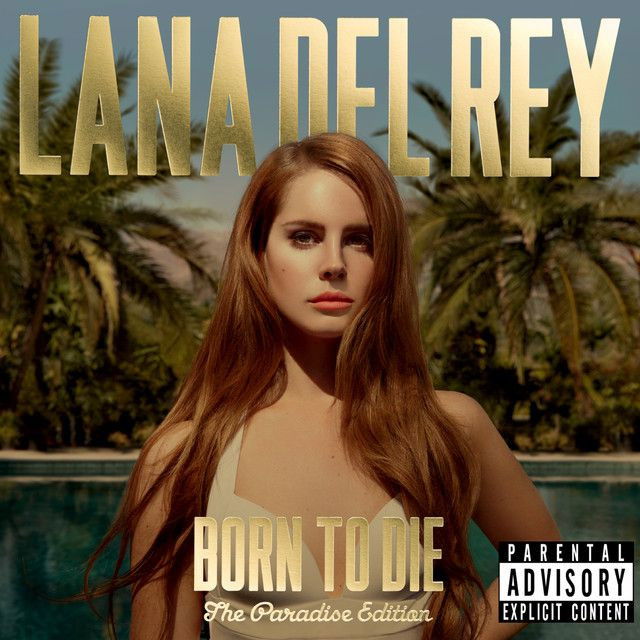
Radio by Lana Del Rey
They don’t hide what this glossy anthem wants: to show how attention, love, and the airwaves can flip a life story. If you’ve ever wondered about the meaning of Radio Lana Del Rey, this track paints a fast, cinematic picture of personal rebirth and cultural validation.
"Radio" - Lana Del Rey
Boy, I'll be flying overhead
Their heavy words can't bring me down
Loading lyrics...
Unable to load lyrics
We're unable to display the lyrics at this time. Please try again later.
From Obscurity to Airwaves: A Sweet Rebirth
The verses open in defiance and renewal. The narrator says they’ve been raised from the dead
, which frames the song as a comeback from ridicule or anonymity. They push away old judgment and choose the thrill of being seen.
Interpretation: The “resurrection” isn’t literal. It’s the feeling of being reanimated by love and success—suddenly lifted above the noise of critics and hardship. That lift is what the radio represents: a public platform that turns a private voice into a broadcast identity.

Watch the official Radio
music video
Who’s Talking, and Who’s Listening?
The voice is first-person and intimate, speaking to a lover and to an unseen audience at once. The aside How do you like me now?
reaches past the romance to address former doubters. It’s a wink and a dare, a reminder that recognition changes how people treat you.
Interpretation: The lover gives comfort, but the crowd gives confirmation. The narrator wants both—tenderness in private and applause in public.
The Story Arc in Four Quick Scenes
- Past struggle: They hint at a difficult life they no longer dwell on.
- A vow to chase dreams: The American myth pulls them west.
- Arrival in Los Angeles: Paradise stands in for possibility and image-making.
- Airplay and affection: Fame and love arrive together, rewriting self-worth.
This tight timeline keeps the focus on motion—from invisible to amplified.
The Hook That Changes Everything
The chorus ties affection to exposure. Affection is asked for because the song is on the air, not despite it. That flips romance into a question about status and worth.
Baby, love me 'cause I'm playing on the radio (How do you like me now?)
Interpretation: The line is both triumphant and uneasy. If love flows more easily once you’re heard everywhere, is it love or the glow of the signal?
Symbols That Taste Like America
The track is full of tactile images. Calling life sweet like cinnamon
gives success a cozy, domestic taste; it’s warm, sticky, and nostalgic. By contrast, sugar venom
suggests sweetness with a bite—pleasure that can also poison. And the body as something you can take me like a vitamin
blends desire with utility, hinting at how people may consume each other’s images for strength.
Interpretation: These flavors and textures map onto the myth of the American Dream. The sweetness is real, but it’s engineered, branded, and sold. The radio is the factory line that packages identity and beams it into homes.
Sound Design: Gloss, Grit, and the Dream Factory
Radio appears on Born to Die (2012), co-written with Justin Parker and produced by Emile Haynie. The production leans on Del Rey’s signature blend: cinematic strings and wide reverb against hip‑hop‑laced drums. That mix makes the track feel like a luxury car cruising through neon—polished, slow, and confident.
The vocal sits close and languid, building a haze around direct declarations. Repetition crafts a mantra. By looping the hook, the song imitates radio’s own logic: heavy rotation creates reality. The more the refrain returns, the more the persona feels established.
Other Ways to Hear It
- Interpretation: A gratitude song. The “radio” is simply the moment hard work pays off. The narrator honors the partner who believed before the world did.
- Interpretation: A critique inside a celebration. The chorus pairs love with broadcast power on purpose, asking whether approval often follows visibility rather than character.
Both readings fit Del Rey’s broader world, where glamour and doubt travel together. The track is an ode to becoming and a side-eye at what makes becoming possible.
Takeaway
Radio captures the rush of finally being seen—and the blurred line between genuine affection and the glow of fame. It’s a pop postcard from the moment a private dream becomes a public signal.
Disclaimer: This article offers one interpretation based on the recording, credited personnel, and the song’s text. Listeners may reasonably hear it another way.









