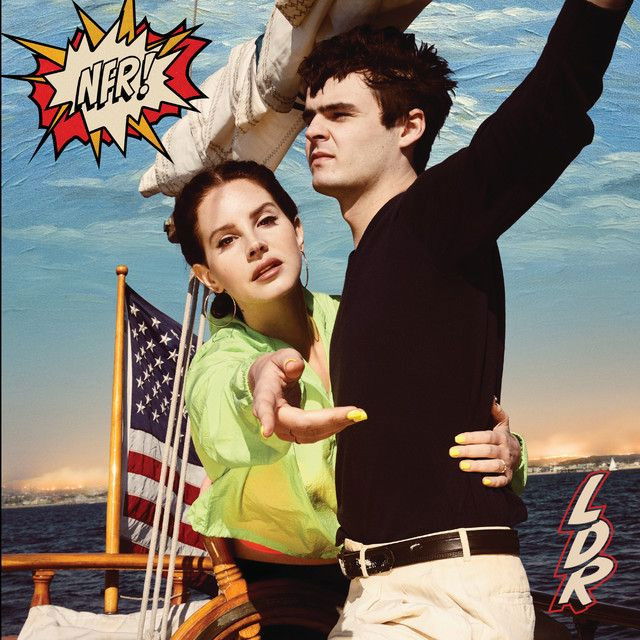
The greatest by Lana Del Rey
They call it a goodbye to a golden hour. The meaning of The greatest Lana Del Rey lies in how it blends a breakup elegy with a eulogy for American pop culture. The narrator looks back at places, people, and songs that once felt limitless, then admits the present falls short.
"The greatest" - Lana Del Rey
I miss dancin' with you the most of all
I miss the bar where the Beach Boys would go
Loading lyrics...
Unable to load lyrics
We're unable to display the lyrics at this time. Please try again later.
What Fades and What Stays
The song sketches a personal loss against a wider decline. When they remember Those nights were on fire
, they are recalling a period of intensity—love, music, and hedonism. But the glow is retro: Beach Boys bars, Bowie myths, and California dreams.
Interpretation: The “greatest” isn’t a person. It’s an era—of youth, creative community, and a shared cultural high—that now feels unreachable.

Watch the official The greatest
music video
The Line Between Private and Public Grief
From the start, the narrator misses specific cities and scenes. A short note like I miss New York
signals that place is memory’s anchor. Then the focus flips outward: wildfires in L.A., a public figure’s hair and disappearance, and a late-night hunt for a livestream. The personal ache mirrors a culture that’s always on but somehow absent.
When they sigh The culture is lit
, it lands as both compliment and complaint. Everything seems bright and fast, yet meaning slips away. Nostalgia becomes a survival tool.
What the Chorus Really Says
The hook reframes the verses as a reckoning. It sounds like a confession and a wake-up call.
I'm wasted Don't leave, I just need a wake up call I'm facin' the greatest The greatest loss of them all
Interpretation: The chorus names burnout—emotional and cultural. The loss feels “greatest” because it’s twofold: the end of a romance and the end of a scene that gave that romance context.
Symbols, Name-Drops, and Why They Matter
- Beach Boys/Dennis Wilson: California’s dream-pop lineage. They signal the coastline where music and myth once met.
- Bowie’s “Life on Mars”: a shorthand for art that turns chaos into wonder; here, it hints that crisis has outgrown the metaphor.
Kanye West is blond and gone
: a quick-cut image of celebrity volatility and the way headlines eclipse stability.- Fires and a near-miss “fireball”: environmental anxiety and a sense that disaster looms at the edge of the frame.
- Bars, dancing, and surf imagery: the last places where community felt organic, not streamed.
Interpretation: These references work like postcards from a country that no longer exists. They date the memories and make the loss measurable.
How the Sound Carries the Feeling
The production—co-written and shaped with Jack Antonoff—leans into 1970s rock ballad colors: warm piano, strummed guitar, and roomy drums. The tempo is unhurried, letting vocal lines stretch like afterthoughts. Subtle organ swells and backing harmonies nod to classic California rock.
The melody rises on lines of longing and collapses on the refrain, matching the emotional arc from high to comedown. Del Rey’s vocal is close-mic’d and conversational, creating the sense of a last-call monologue. The arrangement avoids a big climax, which reinforces the theme: the peak already happened; what’s left is the reckoning.
A Timeline of the Mood
- Memory: Early images cast a glow over past nights and shared haunts.
- Recognition:
We didn't know that we had it all
admits that joy wasn’t recognized in real time. - Reckoning: The chorus confronts burnout and names the size of the loss.
- Broadcast age: A nod to the livestream era underlines how presence turned into performance.
- Sign-off: The narrator hints they might log off, or at least stop chasing a vanished high.
Alternate Readings Worth Holding
- Interpretation: End of an American Dream. Fires, fame churn, and newsfeed spectacle suggest a national mood swing; “the greatest” is a fallen ideal.
- Interpretation: Artist’s meta-break. The narrator could be an avatar for Del Rey herself, closing a chapter on a vintage-Americana persona and making room for new forms.
Both readings fit because the language stays broad and emblematic, letting personal love and public loss overlap.
Why This Still Stings
The hook phrases a universal human pattern: only after the rush fades do they grasp what it meant. The line I'm facin' the greatest
is not bragging; it’s resignation. By resisting a dramatic final chorus, the song honors the slow, adult truth of grief: endings don’t explode—they settle.
Takeaway
For listeners in the United States, the meaning of The greatest Lana Del Rey speaks to the feeling that a shared cultural party is over, and the bill just arrived. It’s a love song and a time-capsule elegy at once.
Disclaimer: Lyrics and themes are interpreted; your reading may differ based on context and experience.
Sources
- https://www.nytimes.com/2019/08/30/arts/music/lana-del-rey-norman-rockwell.html
- https://pitchfork.com/news/lana-del-rey-shares-new-songs-fuck-it-i-love-you-and-the-greatest-watch-the-video/
- https://pitchfork.com/reviews/albums/lana-del-rey-norman-fucking-rockwell/
- https://www.rollingstone.com/music/music-album-reviews/review-lana-del-rey-norman-fucking-rockwell-875449/
- https://genius.com/Lana-del-rey-the-greatest-lyrics








