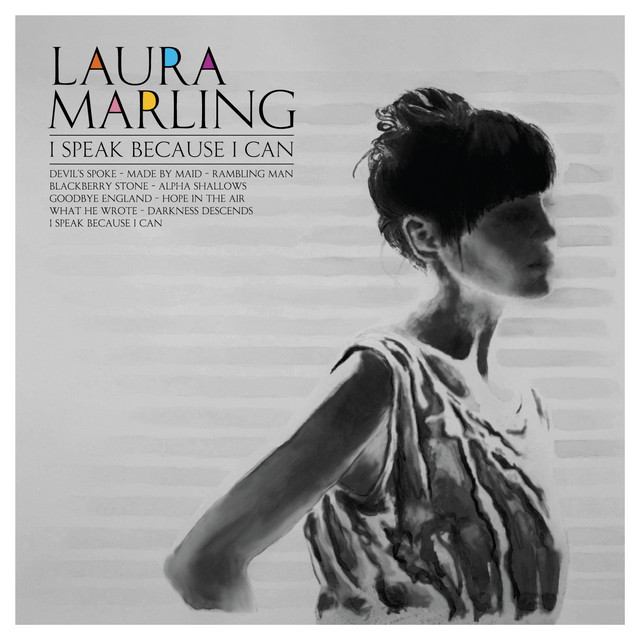
Letters Across a War: Decoding 'What He Wrote'
Laura Marling’s “What He Wrote” reads like a secret bundle of letters opened at dusk. It is intimate, moral, and full of old symbols. For anyone searching the meaning of What He Wrote Laura Marling crafted, the heart of it is communication under pressure—how love tries to speak when fear, war, and shame close the throat.
"What He Wrote" - Laura Marling
He cut out my tongue
There is nothing to save
Loading lyrics...
Unable to load lyrics
We're unable to display the lyrics at this time. Please try again later.
Wartime Paper, Private Pain
Marling has said the song was inspired by World War II correspondence between spouses, and by the rigidity that fear can create. It appears on her 2010 album I Speak Because I Can, produced by Ethan Johns. That context matters: the song isn’t gossip; it’s moral drama set against real separation and real stakes.
The letters frame a conversation between duty and longing. When the narrator cries Forgive me, Hera
, they place the story inside a marriage covenant, with the goddess of marriage as witness and judge. This moves the song from romance to ritual, from feeling to vow.

Watch the official What He Wrote
music video
Who Speaks in the Song’s Quiet Rooms
The voice is first-person, confessional, and bookended by prayer. They answer letters from a man at war and also speak to a second presence close at hand. The push-pull is clear: loyalty to the absent, attraction to the present, and a fear of being judged by both gods and self.
Short, severe images show how silence takes hold—tongues “cut,” words withheld, and a plea for divine mercy. The narrator’s fear isn’t only of being caught; it’s of becoming the kind of person who cannot say what must be said.
From Pleas to Parting: A Simple Timeline
- A prayer for mercy opens the door to the drama.
- A letter arrives: the soldier says
I am broke
. The homefront voice echoes the damage and restraint. - Memories surface; the narrator
Begged him to stay
as tides of history pulled him away. - The sea intrudes—
waves came and stole him
—turning war into a force of nature. - In the end, the voice chooses quiet survival, confessing they will speak only when safe to do so.
Each beat tightens the bind: love asks for more, but time and war return less.
What the Refrain Keeps Asking
The repeating exchange—he writes of being shattered; the narrator mirrors it and adds Do not tempt me
—is the song’s hinge. Interpretation: both are pleading for mercy from their own desires. “Temptation” isn’t only romantic; it’s the temptation to give in to despair, to betray vows, or to pretend damage isn’t real. By having both voices claim “brokenness,” Marling suggests that injury does not grant easy permission.
Symbols in Shadow and Sunlight
- Hera: invokes marriage and judgment. The plea to her marks guilt as spiritual, not just social.
- The Lamb: asks what innocence or sacrifice made this man—was purity traded for survival, or is this a biblical echo of atonement and naming?
- Light and Ship: “light” seeks clarity; the “ship” and stormy sea carry history’s pull. The sea steals; the war takes.
- Silence and Speech: the tongue motif signals women silenced by violence and custom. The later line
We speak when spoken to
accepts quiet as a survival rule, but it also rings with bitter irony.
These images make the story feel older than its setting. They tether modern letters to myth and scripture.
How the Sound Carries the Wound
The production is sparse: fingerpicked acoustic guitar, hushed vocal, subtle percussion, and low, breathy harmonies. It keeps the listener very close to the singer, like reading by lamplight. Small dynamic swells mirror waves and breath, so the music itself feels like a tide that comes and takes.
Marling’s delivery is plain, almost journal-like. That restraint is the point. In a song about words that can’t quite be said, excess would feel untrue.
Alternate Readings Worth Holding
- Interpretation: A Philomela echo. The image of a cut tongue and the appeal to a Greek goddess hint at the myth of Philomela, a woman silenced by violence who finds another way to tell her story. Read this way, the letters become the woven tapestry—a coded survival speech.
- Interpretation: A test of moral speech. The refrain’s mutual “brokenness” is not permission but warning. The narrator chooses limitation—ritual, prayer, and measured talk—to remain whole enough to go on.
Both readings align with the wartime-letter backdrop and with Marling’s interest in old stories refracted through modern lives.
The Meaning, In Short
For readers asking about the meaning of What He Wrote Laura Marling presents, it is about the cost of love when history intervenes. It weighs vows against loneliness, prayer against appetite, and language against silence. Letters bridge distance, but they also expose what distance makes possible—and dangerous.
Takeaway: What Stays After the Last Line
They end not triumphant but intact. The narrator accepts small, careful speech and chooses endurance over confession or affair. In that quiet choice, the song finds its grace.
Interpretation note: Song meanings are subjective. This reading draws on the lyrics, known background, and production choices; other listeners may hear different truths.








