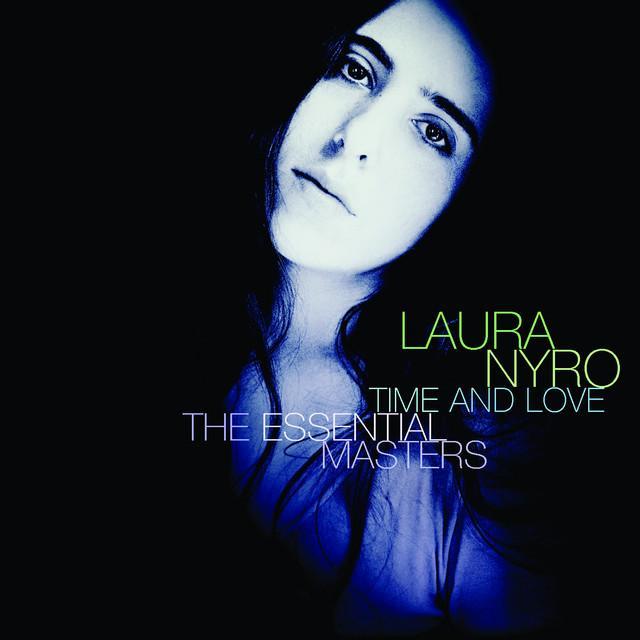
Stoned Soul Picnic by Laura Nyro
The meaning of Stoned Soul Picnic Laura Nyro starts with an invitation. This song does not tell a tight story with clear characters or conflict. Instead, it opens a door into a feeling: joy, freedom, sensuality, and togetherness all at once.
"Stoned Soul Picnic" - Laura Nyro
Can you picnic? Whoa
Can you surry?
Loading lyrics...
Unable to load lyrics
We're unable to display the lyrics at this time. Please try again later.
Laura Nyro wrote the song, and it became one of her signature compositions in the late 1960s, a period when her writing blended pop, soul, jazz, and gospel colors in unusual ways. Factually, Nyro wrote it and released her own version before the Fifth Dimension turned it into a major hit, a detail widely noted in standard artist references and discographies.
A Picnic That Feels Bigger Than a Picnic
On the surface, the lyric keeps asking listeners to come along and surry down
to a gathering. Paraphrased, the song imagines a warm, abundant place full of music, drink, color, weather, and motion. It sounds welcoming, almost like a backyard scene expanded into a dream.
But the picnic is clearly more than food on a blanket. Interpretation: it works as a symbol for a shared state of mind. The repeated invitation suggests a world where people can relax, trust each other, and feel spiritually alive. When the song circles back to stoned soul picnic
, it frames that space as ecstatic rather than ordinary.
That is why the song still feels fresh. It is playful, but it is not shallow. Nyro takes simple images and turns them into a vision of emotional abundance.

Watch the official Stoned Soul Picnic
music video
How the Strange Language Creates Meaning
One reason the song stands out is its invented or bent language. The word can you surry?
does not come with a dictionary definition inside the lyric. Instead, it functions by sound and mood.
Interpretation: “Surry” feels like a mix of hurry, sway, stroll, and scurry. It suggests movement, but not pressure. The word is musical first, logical second, and that matters. Nyro often wrote in ways that let rhythm and feeling carry meaning as much as literal explanation.
The same is true of the song’s stacked images. Phrases like time and wine
and red yellow honey
create a sensory rush. Rather than outlining one clear event, they pile taste, color, and atmosphere together. The effect is almost synesthetic, as if sound, flavor, and sunlight are happening in one moment.
Nature, Spirit, and Community in One Frame
The lyric also joins nature to something almost sacred. It mentions weather, blossoms, sky, and lightning, then places them beside communal pleasures like music and trust. Paraphrased, the song says that beauty does not arrive in neat categories. The natural world, human closeness, and spiritual wonder all pour into the same scene.
That blend is key to the meaning of Stoned Soul Picnic Laura Nyro. This is not only a party song, even if it is fun. It imagines a kind of wholeness.
There'll be trains of blossoms
There'll be trains of music
There'll be trains of trust
In that brief passage, motion becomes a metaphor. Blossoms, music, and trust travel like a procession. Interpretation: the song suggests that joy can spread, that one good feeling leads to another, and that people can be carried together by art and openness.
What the Hook Is Really Doing
The chorus is less about plot than about participation. Every repetition of the invitation acts like a call to join the mood. The listener is not asked to solve the song. They are asked to enter it.
That matters because Nyro’s writing often works through immersion. Repetition here is not laziness; it is design. By returning again and again to surry on, soul
, the song moves from physical action to inner action. The soul itself is being told to move, open, and celebrate.
How the Sound Carries the Song’s Message
Even without unpacking every line, the arrangement helps explain the song. Nyro’s version leans into a supple, jazzy, soulful feel, and the composition itself is built for flow rather than rigid structure. The melody rises and turns in ways that feel conversational, then ecstatic.
That musical looseness supports the lyric’s dream logic. A strict, dry arrangement would have made the words sound quirky. Instead, the groove makes them feel natural. Harmonies, rhythmic lift, and bright melodic motion create a communal mood, as if the song is already the picnic it describes.
This is one reason other artists connected with Nyro’s writing. Her songs gave pop structures a deeper emotional and harmonic richness, something critics and historians often point out when discussing her influence on late-1960s songwriting.
Two Strong Ways to Read the Song
There are at least two convincing readings.
A celebration of soulful togetherness
In the first reading, the song is a communal invitation. Food, drink, blossoms, music, and trust all point toward shared joy. The picnic becomes a utopian space where people feel connected and fully alive.
A vision of altered perception
In the second reading, the song describes a heightened state of consciousness. Words blur, colors glow, weather feels charged, and ordinary things seem radiant. In this sense, Lord and the lightning
suggests that divine feeling can break into daily life.
These readings do not cancel each other out. They probably strengthen each other.
Why the Song Still Feels Special
What makes the song endure is its refusal to flatten experience into one idea. It is earthy and spiritual, playful and profound, weird and welcoming. Nyro trusted sound, color, and feeling to say what plain explanation could not.
So the meaning of Stoned Soul Picnic Laura Nyro is best understood as an invitation into abundance: emotional, sensory, and communal. The song imagines a place where pleasure is not trivial, trust is possible, and the soul can move freely.
That is why the lyric still lands. They hear not just a picnic, but a whole worldview sung into being.
Disclaimer: Song meaning is always part fact and part interpretation. The analysis above separates direct lyrical observation from informed interpretation wherever possible.








