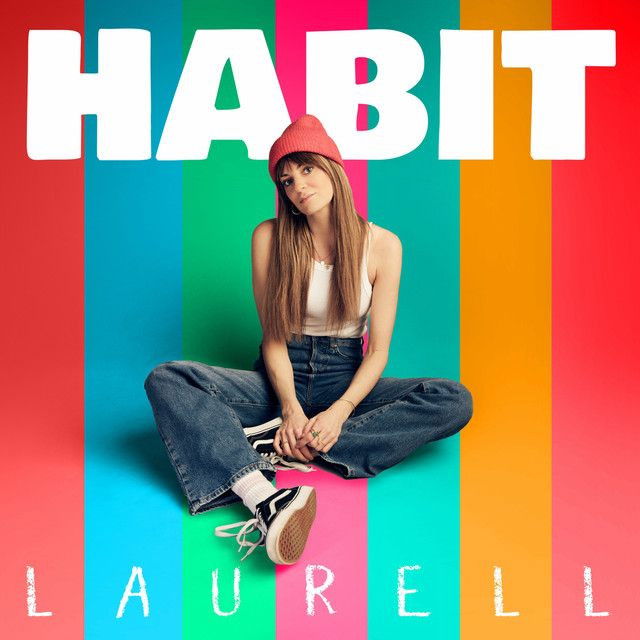
Habit by Laurell: Love as a Bad Addiction
The meaning of Habit Laurell comes through fast: this is not a simple love song. It is a song about knowing a relationship is harmful and still feeling pulled back into it.
"Habit" - Laurell
Nana-na-na-na, not just a habit)
Oh-yeah
Loading lyrics...
Unable to load lyrics
We're unable to display the lyrics at this time. Please try again later.
Laurell frames that feeling with the language of dependence. Instead of describing heartbreak as a clean breakup, they present it as a cycle that behaves like craving. That makes the song easy to relate to, because many people know what it is like to leave something emotionally, but not mentally.
The Core Idea Hiding in Plain Sight
At its center, “Habit” is about emotional attachment that has crossed into self-damage. The singer does not sound confused about whether the relationship is good. They say plainly that this person is no good for me
. The tension comes from the next step: even with that knowledge, they still cannot stay away.
That is why the title matters so much. A habit is repetitive, automatic, and hard to break. The song uses that idea to show how unhealthy love can start to feel less like a choice and more like a pattern.
Interpretation: The track suggests that toxic attachment can mimic addiction. The singer is not just missing someone; they are trapped in a loop of wanting, regretting, and returning.

Watch the official Habit
music video
The Verses Turn Small Details Into Big Damage
One of the smartest things in the writing is how ordinary details build the larger emotional picture. The singer counts apologies, coffees, missed dates, and late calls. Those details make the relationship feel one-sided and exhausting.
When they mention Forty-eight sorrys
and running late
, they are not just listing events. They are showing a repeated pattern of disappointment. This person keeps taking more than they give, while the singer keeps doing emotional labor and waiting for change.
The effect is important for the meaning of Habit Laurell. Bad relationships often do not collapse because of one huge betrayal. Sometimes they wear a person down through repetition, neglect, and endless second chances.
Why the Chorus Hits So Hard
The chorus is the song’s emotional thesis. The singer says You just a habit
, then immediately reveals the problem: habits are not easy to stop. That contrast gives the chorus its power.
On one level, the line sounds dismissive, almost like they are reducing the other person. But the next lines undo that confidence. They admit they are still pulled in every day, and they even compare themselves to an addict.
But I can't stay away
I'm an addict
This is the song’s clearest emotional confession. The singer wants distance, but desire is stronger than discipline. The chorus keeps circling back to that same thought, which mirrors the cycle they are trying to escape.
Numbers, Repetition, and the Feeling of a Loop
The song relies heavily on counting: 48 apologies, seven calls, 24 hours, 365 days, and even huge numbers of thoughts. That choice is not random. It gives the lyrics a mechanical rhythm, as if the relationship has become a routine.
Those numbers also make the singer sound mentally overloaded. When they mention eighty-thousand thoughts
, it captures anxious overthinking in a vivid but simple way. They are not calm or resolved. They are spinning.
Interpretation: Counting becomes a symptom of obsession. People often count when they are trying to control chaos, track hurt, or prove to themselves that a pattern is real.
How the Sound Supports the Story
Even without a full production breakdown, the song’s structure suggests a pop approach built for tension and release. The repeated hook, chant-like backing vocal, and bright melodic shape create a contrast with the dark message.
That contrast matters. The catchiness makes the listener feel the same pull the singer feels. The song sounds inviting even as the lyrics describe something destructive. In that way, the production helps tell the story.
Laurell is known as both a performer and songwriter, including work connected to European pop and Eurovision circles, which helps explain the song’s direct hook writing and polished emotional clarity. The provided credits list Anderz Wrethov, Andreas Sten Johansson, Laurell Barker, and Thomas Stengaard as writers, a team associated with strong, accessible pop craft.
A Voice Caught Between Clarity and Craving
The narrator is honest, but not free. That is what makes the song believable. They can name the problem, and they can even imagine breaking it, but they are still in the middle of it.
The bridge captures that conflict especially well. When the singer admits they are caught in the middle and wants one more chance, it shows how relapse works emotionally. They know it is wrong, yet they still want another hit of the same feeling.
That makes “Habit” more than a breakup song. It is about the gap between understanding and action.
Final Take on the Meaning of Habit Laurell
The meaning of Habit Laurell is the story of a romance that has become dependency. Through repeated numbers, addictive language, and a sticky pop chorus, Laurell shows how hard it can be to leave something that hurts.
What stays with the listener is not just the pain, but the self-awareness. The singer is not blind to the damage. They just have not found the strength to break the cycle yet.
That honesty is what gives “Habit” its sting.
Disclaimer: This interpretation is based on the lyrics provided and publicly available artist context. As with any song, meaning can remain open to listener interpretation.








