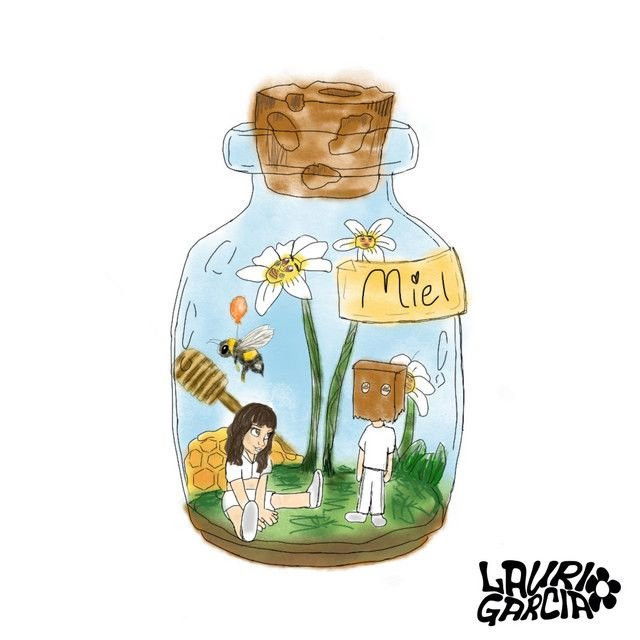
Honey Eyes: The Meaning of 'Miel' by Lauri Garcia
“Miel” is a small, glowing love note. It trades big drama for warm detail, sketching how one person can color another’s world. For readers searching for the meaning of Miel Lauri Garcia, the song reads as a pledge: tender, direct, and sweet without turning sticky.
"Miel" - Lauri Garcia
Que pinta mi papel
Tu llenas de color mi vida
Loading lyrics...
Unable to load lyrics
We're unable to display the lyrics at this time. Please try again later.
A Sweet Devotion at the Center
At its core, the song is about devotion and the way love reshapes identity. The opening image turns romance into art: the partner is the tool that brings a blank life into color and shape.
Tú eres el pincel
Que pinta mi papel
Tu llenas de color mi vida
Interpretation: the beloved makes the narrator’s life legible and bright. Instead of grand promises, the lyrics focus on craft—light, touch, and small gestures—so the commitment lands as everyday truth.

Watch the official Miel
music video
Who’s Speaking, Who’s Listening?
The narrator speaks in first person to a specific “you,” lifting up one feature at a time. A single detail opens into a theme: eyes described as ojos color miel
become a symbol of warmth and safety. The praise is physical but never crude; tender language like suave dulce piel
keeps the tone gentle.
Interpretation: this is a steady love, not a chaotic fling. When they say a touch me hace enloquecer
, the point is not lust alone, but how affection loosens fear and makes room for joy.
How the Story Unfolds
There isn’t a complex plot. Instead, the song cycles through a few clear beats that grow in strength:
- Admiration: the partner brings color and balance.
- Recognition: they are “the other half,” a match the singer has been hoping to find.
- Commitment: the wish to be
con quien quiero estar
moves from desire to decision. - Intimacy: soft focus on smiles, glances, and kisses, summed in the simple wish:
la quiero yo besar
.
By stacking these moments, the song shifts from a first rush to a settled promise.
Symbols That Stick to the Heart
- Brush and paper: The beloved is the brush; the narrator is the page. This flips the usual ego script. Love is not conquest—it’s collaboration.
- Color: Filling a life with color suggests hope after gray days. The palette is emotional, not just visual.
- Honey eyes:
ojos color miel
blends sweetness, warmth, and clear sight. Honey looks golden in the light, hinting at trust and constancy. - Touch and smile: Words like
suave dulce piel
and the idea that a smile can “capture” or “kill” them show how small gestures become anchors. Interpretation: the body language tells the love story more than grand speeches do.
Melody, Repetition, and Feel
Even without detailed credits, the structure points to romantic pop. The chorus repeats short, singable lines, which makes the promise feel certain. Repetition is not filler here; it acts like waves, returning to the shore of devotion each time.
The Spanish phrasing leans on open vowels and soft consonants, which round the edges of desire and keep the song tender. Assonance and simple rhyme help the lines glide. Interpretation: the arrangement likely keeps space around the vocal so each image—the brush, the color, the honey eyes—lands clearly.
Why the Chorus Matters
The hook circles back to choice—the will to stay. A line like con quien quiero estar
is simple on purpose. It’s less “You complete me” and more “I choose you every day.” That framing turns romantic rush into steady commitment.
Alternate Readings Worth Considering
- Interpretation: Idealized first love. The sweet-focus imagery and near-constant praise suggest a new relationship lifted by infatuation.
- Interpretation: A durable bond. The grounded metaphors—work, craft, color—hint that this love has already endured, and the chorus renews a mature promise.
Both readings work because the details are universal: attention, gentleness, and the feeling of being seen.
Quick Takeaway
For listeners in the United States wondering about the meaning of Miel Lauri Garcia, think of a quiet, golden photograph. The song captures two people choosing each other—today, and again tomorrow. Its art-and-color metaphors make the feeling vivid; its repetition makes it last.
Disclaimer: Song meaning is interpretive and may differ from the artist’s stated intent or listeners’ personal experiences.







