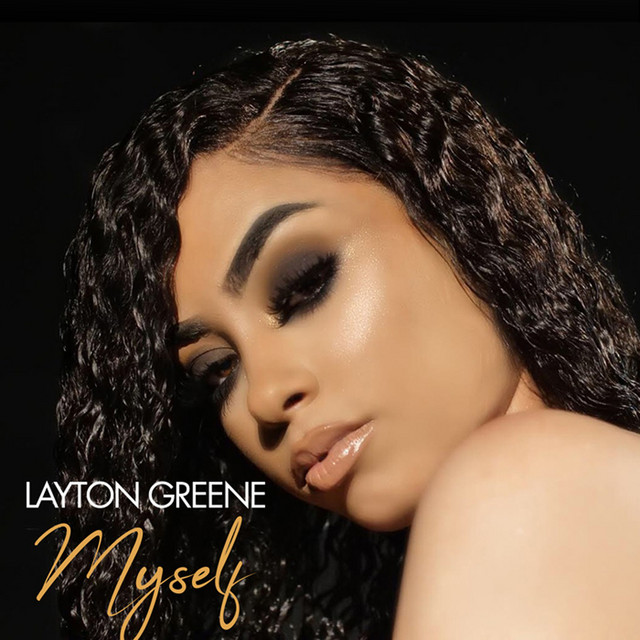
Myself by Layton Greene
Layton Greene's "Myself" is a plainspoken R&B song about what happens when a relationship weakens a person's sense of worth. For listeners searching for the meaning of Myself Layton Greene, the core idea is clear: they gave real love to someone who was unable, or unwilling, to return it in a healthy way.
"Myself" - Layton Greene
Oh-oh
I remember feeling like I wasn't good enough
Loading lyrics...
Unable to load lyrics
We're unable to display the lyrics at this time. Please try again later.
Rather than present heartbreak as glamorous, the song treats it as disorienting. The narrator looks back on a romance that made them question their body, their judgment, and their value. By the end, the pain is still there, but so is a lesson about self-respect.
The Song's Central Wound
At its heart, "Myself" is about loving another person before learning how to protect the self. Early lines describe insecurity and body-image anxiety. When Greene sings about looking in the mirror and feeling not enough, the song connects romance with damaged self-esteem.
That is why the main hook lands so hard. The song says, in essence, that they loved someone while they did not yet know how to love themselves. The short phrase I loved you
is not just a confession. It is a warning about emotional imbalance.
Right after that, the song flips the relationship dynamic. The other person claimed devotion, but the narrator realizes it was really only loved yourself
. That contrast explains the whole track: one person gave, the other absorbed.
Watch the official Myself
music video
A Relationship Told in Small, Sharp Scenes
Greene writes the story through everyday moments instead of big dramatic plot twists. That choice makes the song feel believable.
The signs of neglect
One revealing detail is how the partner enters and leaves without warmth. The phrase saying "Hi"
becomes a symbol of emotional absence. A greeting is basic care, and the lack of it shows a cold, unstable home life inside the relationship.
The song also suggests that affection depended on convenience. When life did not go the partner's way, their behavior changed. In other words, love was conditional.
The cycle of blame
Another key detail is that the narrator was made to feel responsible for the relationship's problems. They say it felt like everything was their fault and that things moved too fast. This is important because it shows how self-doubt can be fed by another person's pressure.
Interpretation: The song is not only about heartbreak. It is also about manipulation through guilt, criticism, and emotional inconsistency.
What the Chorus Reveals
The chorus turns private pain into the song's thesis. Greene does not just say the relationship hurt. They explain why it hurt so deeply: the love was poured out from an already fragile place.
I loved you when I didn't love myselfYou played with my heart
Those lines summarize the emotional math. The first line explains vulnerability. The second explains the result.
There is also an important phrase near the end of the refrain: might not be the same
. That does not sound like revenge. It sounds like aftershock. The relationship changed how they move through the world.
Sound and Delivery Matter Too
"Myself" works because the production leaves room for Greene's voice to carry the meaning. The arrangement is in the modern R&B lane: slow tempo, soft keys, and a moody beat that supports confession rather than overpowering it.
That kind of production suits Greene's style. According to her Wikipedia profile, she emerged as an American R&B singer from East St. Louis and became known for emotionally direct records before broader crossover attention. "Myself," released in 2018, fits that early identity well.
Their vocal approach here is restrained. They do not oversing the pain. Instead, they sound worn down, which makes lines about crying, blame, and loneliness feel more credible. Even when the melody rises, the performance stays intimate.
Artist Context Helps Explain the Song
Greene built attention through covers and emotionally open singing, then later reached a wider audience with songs like "Leave Em Alone." Her debut EP Tell Ya Story arrived in 2019, but "Myself" already showed the personal storytelling that would define much of her appeal.
That matters because "Myself" sounds like a foundational statement. It is not a flashy single built around attitude alone. It is a character sketch of someone learning that romance cannot fix inner damage.
Themes That Drive the Meaning
Several themes shape the meaning of Myself Layton Greene:
- Self-worth: The narrator starts in a place of insecurity.
- Unequal love: One person invests deeply; the other gives little back.
- Emotional control: The relationship seems ruled by blame and unpredictability.
- Survival: The song admits the damage but also recognizes growth.
- Hard-won wisdom: Pain becomes instruction, not just suffering.
One of the strongest lines in that last category is the idea that the experience was a blessing because it taught patience and basics. That does not excuse the harm. It shows maturity.
One Strong Interpretation
Interpretation: "Myself" is really a recovery song disguised as a breakup song.
Why? Because the most lasting conflict is not whether the partner lied or left coldly. It is whether the narrator can rebuild identity after being reduced by someone else's selfishness. Even the harshest memories serve that larger arc.
When the lyrics describe being lifted up and then dropped, they capture a pattern of emotional highs and lows. The image is simple, but it says a lot about unstable love: intense attention can feel thrilling until the fall comes.
Why the Song Still Connects
Many listeners respond to "Myself" because it avoids abstract poetry and gets to lived feelings fast. It captures the moment when a person realizes that being chosen is not the same as being cared for.
That is the lasting message. Love without self-respect can become a trap, and leaving that trap often begins with naming what happened clearly.
This article offers an interpretation based on the lyrics, artist context, and available credits. Like many songs, "Myself" can hold slightly different meanings for different listeners.








