Why 'I Can Change' Hurts Behind the Beat
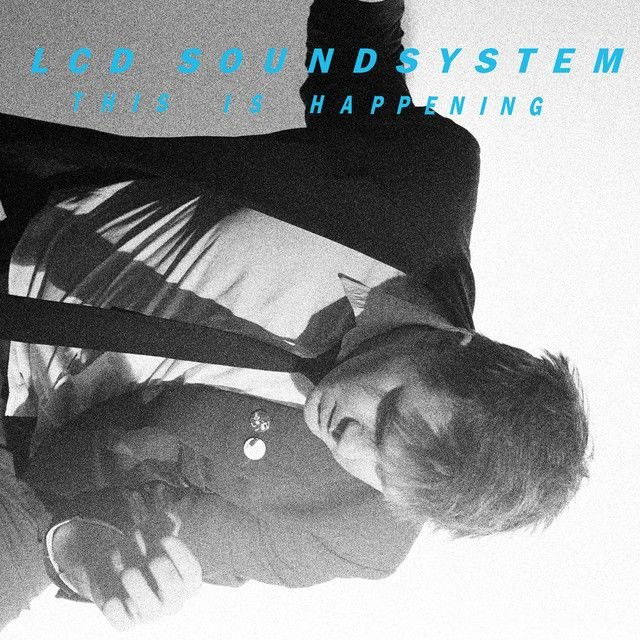
The meaning of I Can Change LCD Soundsystem starts with a simple promise and turns it into something uneasy. On the surface, this is a sleek dance track from LCD Soundsystem’s 2010 album This Is Happening. Underneath, it is a song about desire, self-doubt, and the fear that love might require a person to become someone else.
"I Can Change" - LCD Soundsystem
Make it easy for me
Open your arms
Loading lyrics...
Unable to load lyrics
We're unable to display the lyrics at this time. Please try again later.
James Murphy and the band build that tension from the first lines. The speaker asks for reassurance, closeness, and a kind of script for how to act. They want things to feel easy. But the song keeps showing that intimacy is not easy at all.
The Heart of the Plea
At its core, the song is about a person trying to keep a relationship alive by offering total flexibility. The key idea is not growth in a healthy, grounded sense. It is emotional negotiation.
When the hook circles around I can change
, the line sounds less like confidence and more like panic. They are not calmly saying they have matured. They are trying to convince someone to stay.
Interpretation: That is why the song feels painful even when it is catchy. The speaker seems aware that changing for love can be risky, yet they still make the offer.

Watch the official I Can Change
music video
A Relationship Caught Between Night and Morning
The verses sketch a relationship that swings between comfort and conflict. Early on, the song suggests things feel easier in private, in darkness, away from scrutiny. Then the mood shifts when daylight arrives and the hidden strain becomes visible.
That is why phrases like good in the dark
matter. The idea is not just literal nighttime. It points to moments when chemistry can hide deeper problems. Once the lights are on, so to speak, the couple has to face what is wrong.
Love is a murdererLove is a curse
This is the song’s sharpest turn. After begging for connection, the speaker suddenly describes love as dangerous and humiliating. The message is clear: they do not see romance as purely healing. They see it as something that can wound, embarrass, and overpower a person.
What the Chorus Really Reveals
The chorus is the emotional center because it keeps reframing the verses. Every conflict leads back to the same offer: if it helps you fall in love
. That condition matters.
They are not changing for themselves. They are changing in hopes of being chosen. This makes the promise feel generous on one level and tragic on another.
Interpretation: The song may be questioning whether love based on self-erasure can ever feel secure. If someone must become more pleasing to earn affection, the bond may already be unstable.
Small Images, Big Anxiety
One reason the writing works so well is that it uses ordinary scenes to hold larger emotions. A request to turn on the light
feels simple, but it also suggests exposure. The speaker wants honesty and closeness, yet they are scared of what honesty might reveal.
Later, the awkward domestic image of fumbling around a kitchen shows how intimacy can become clumsy and sad instead of cinematic. This is classic LCD Soundsystem writing: plain details that carry emotional weight.
There is also a push-pull between idealization and realism. The lover’s eyes seem full of love, but the speaker quickly doubts that reading. They wonder if they are seeing true devotion or only what any lover wants to see.
How the Sound Changes the Meaning
Part of the brilliance of “I Can Change” is that the production does not wallow. It glides. The analog synths, drum-machine pulse, and clean melodic structure give the track a romantic surface. Many listeners have heard echoes of synth-pop groups like Yazoo or early Depeche Mode, influences often discussed in coverage of James Murphy.
That bright, electronic setting changes how the lyrics land. If the same words were sung over a slow piano, they might sound purely broken. Here, they sound exposed but still moving forward. The beat creates emotional contradiction: the body wants to dance while the mind hears a plea bordering on collapse.
Murphy’s vocal also matters. He does not sing like a polished pop romantic. He sounds human, strained, and slightly awkward. That keeps the song from becoming melodrama. Instead, it feels like someone trying very hard not to lose control.
Artist Context and Why It Fits LCD Soundsystem
LCD Soundsystem often writes about adulthood, coolness, longing, and the embarrassing parts of being alive. “I Can Change” fits that pattern perfectly. It turns a very uncool confession into a great pop song.
Released on This Is Happening in 2010, the track arrived during a period when the band was blending dance music with sharper emotional writing. That mix helped the song stand out in reviews and among fans. It is one of their clearest examples of how club-ready music can hold real vulnerability.
Two Strong Readings of the Song
Interpretation 1: It is a sincere love song from a flawed person. In this reading, they truly want to become better and more open.
Interpretation 2: It is a warning about losing the self in romance. In this reading, the repeated promise is intentionally excessive, showing how desperation can disguise itself as devotion.
Both readings work because the song never fully settles the question. That uncertainty is part of the point.
Why the Song Still Connects
The meaning of I Can Change LCD Soundsystem lasts because it captures a feeling many people know but do not like to admit: the wish to be more lovable by becoming more agreeable. The song understands how seductive that urge can be.
Its genius lies in the contrast. The music sparkles, the words ache, and neither cancels out the other. Together they create a portrait of love as thrilling, humiliating, and hard to separate from fear.
That is why “I Can Change” remains one of LCD Soundsystem’s most affecting songs. It is not just about romance. It is about the unstable line between intimacy and self-betrayal.
Disclaimer: This interpretation is based on the lyrics, recording context, and public information. Like most songs, “I Can Change” can support more than one valid reading.









