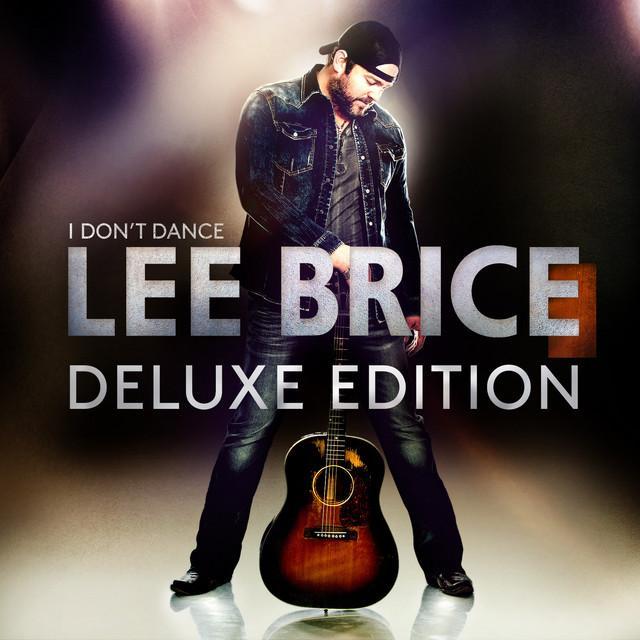
What “Good Man” by Lee Brice Really Promises
The meaning of Good Man Lee Brice comes down to a simple but powerful idea: love is not just chemistry, it is dependability. The song presents a speaker who wants to be seen as steady, protective, and changed from who they used to be. Instead of chasing mystery or heartbreak, it sells commitment.
"Good Man" - Lee Brice
I'll give you everything I got like nobody else you found
Open up your heart, open up your eyes, baby listen to the sound
Loading lyrics...
Unable to load lyrics
We're unable to display the lyrics at this time. Please try again later.
That makes “Good Man” stand out in a lot of modern country love songs. Its goal is not to sound tortured. It wants to sound reassuring. Written by Lee Brice, Billy Montana, Kyle Jacobs, and Vicky McGehee, the song leans into a classic country promise: they will show up, stay close, and not waste the other person’s time.
The Heart of the Song Is Reassurance
At the center of the lyric is a direct answer to someone who has clearly been disappointed before. The narrator hears that this person is searching for stability, then responds with confidence: lookin' for a good man
. That phrase is the song’s emotional key.
The verses build that promise piece by piece. They offer openness, patience, and a future, not just attraction. When the song says this is not a one-night thrill, it draws a bright line between temporary desire and serious love. In plain terms, the narrator is saying: they are not here for a brief moment; they are here for the long haul.
Watch the official Good Man
music video
A Love Song With Something to Prove
One reason the song works is that it does not only flatter the partner. It also tries to establish credibility. The narrator promises not to let them down and describes the kind of grounded life they can share, from small-town scenery to simple pleasures.
That rural imagery matters. References to dirt roads, Southern skies, and a local glow create a world that feels rooted and familiar. In country music, those details often signal honesty and authenticity. Here, they help the promise sound lived-in rather than polished.
The Key Change in Character
The clearest clue to the song’s deeper message comes late, when the narrator admits, I ain't no bad boy
and says they used to be. That confession gives the song more weight.
Interpretation: this is partly a redemption story. They are not claiming perfection. They are claiming growth. The real point is not “trust me because I say so,” but “trust me because I know the difference between who I was and who I am now.”
How the Chorus Turns Confidence Into Meaning
The chorus is catchy because it is built like a response in a conversation. The other person has a need; the narrator answers it. Phrases like good hands
and through the bad land
turn love into something practical.
That is important to the meaning of Good Man Lee Brice. The song is not mainly about passion in abstract terms. It defines love as help, shelter, and follow-through. Even the phrase good man now
sounds less like bragging than a final case they are making.
There is some swagger in the delivery, of course. But the chorus keeps bringing that swagger back to service. The narrator is not just saying they are desirable. They are saying they are useful in hard times.
Strength, Fantasy, and Country Masculinity
One verse uses dramatic, almost storybook language about climbing towers and slaying dragons. Those lines exaggerate the promise on purpose. They take everyday devotion and frame it like heroism.
Interpretation: this is the song’s way of translating traditional masculinity into romance. The narrator presents being a “good man” as courage, sacrifice, and protection. That can feel charming, though some listeners may also hear it as a little old-fashioned.
Still, the lyric softens that toughness with warmth. The goal is not control. In fact, the song says they will not hold the partner back. That matters because it balances protection with freedom. The ideal partner here is strong, but not possessive.
Why the Sound Supports the Message
Musically, “Good Man” fits Lee Brice’s brand of modern country: polished but rooted in classic themes. The likely feel is mid-tempo and sturdy, with guitars and drums giving the track a steady backbone rather than a restless one.
That production choice supports the lyric’s meaning. A song about reliability should not sound chaotic. Instead, the groove feels planted. The vocal delivery also matters: Brice tends to sing with a rough warmth that makes declarations sound personal instead of overly slick.
This blend of country texture and mainstream accessibility helps the message land with a broad audience in the United States. It feels radio-friendly, but its emotional language is still tied to country ideals of home, loyalty, and earned trust.
A Few Different Ways to Read It
There is a straightforward reading and a slightly more skeptical one.
- Straight reading: this is a sincere love pledge from someone ready to commit.
- Redemption reading: the song is about proving change after a wilder past.
- Skeptical reading: the confidence may sound a bit sales-pitch-like, as if the narrator is trying very hard to convince someone.
That third reading does not cancel the song’s warmth. It just adds tension. Part of what makes the song interesting is that being a “good man” is not treated as automatic. It has to be claimed, and maybe earned.
The Lasting Takeaway
In the end, the meaning of Good Man Lee Brice is about love as reliability. The song argues that being worthy of someone means offering comfort, protection, and consistency, not just excitement.
Its country images, confident hook, and hint of personal reform all point to the same message: real devotion is something they prove. That is why “Good Man” lands less as a pickup line and more as a statement of identity.
Disclaimer: This interpretation is based on the song’s lyrics, performance, and common country music themes. As with any song, listeners may hear its meaning differently.








