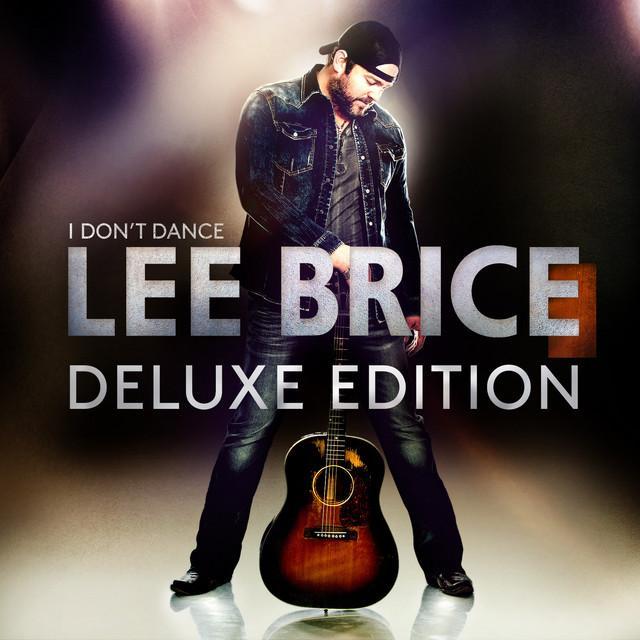
Why ‘I Don’t Dance’ Feels So Honest
The meaning of I Don't Dance Lee Brice starts with a simple contradiction: someone who says they never dance ends up doing exactly that. That tension is the whole emotional engine of the song. It is not really about learning steps or enjoying a dance floor. It is about love making a guarded person act against their usual habits.
"I Don't Dance" - Lee Brice
That's what I always thought
Yeah, I was that kind of man
Loading lyrics...
Unable to load lyrics
We're unable to display the lyrics at this time. Please try again later.
Lee Brice released I Don’t Dance in 2014 as the lead single and title track from his third studio album. It was co-written by Brice, Rob Hatch, and Dallas Davidson, and Brice also produced it. According to reporting collected in reference sources, Brice said he first imagined it as a tribute to his wife. That real-life context matters, because the song sounds personal rather than generic.
A Love Song About Letting Go
At its core, the narrator presents themselves as someone who does not settle down easily and does not see dancing as part of their identity. Early on, they frame themselves as independent and fixed in their ways. Then the chorus turns that self-image upside down.
When they admit I don't dance
, the line is not just stubborn. It becomes a confession. They are really saying: this is not what they normally do, and that is why this moment matters.
The next image, here I am
, quietly shows surrender. They are already in the moment they once would have rejected. The song’s romance comes from that gap between who they thought they were and who love has made them willing to be.
Watch the official I Don't Dance
music video
How the Verses Build the Change
The lyric moves in a clean emotional timeline:
- They begin with an old belief that they would never settle down.
- They describe themselves as the type of person others would recognize as resistant.
- Love arrives and changes that pattern.
- The chorus proves the change through action, not speeches.
That structure is important. The song does not argue that the narrator has become a completely different person. Instead, it says love has made one exception powerful enough to reveal their true feelings.
A key line is two left feet
. In plain terms, they are awkward, uncomfortable, and not naturally graceful. But the point is not whether they can dance well. It is that their partner makes embarrassment feel worth it.
The Chorus Turns a Weakness Into Devotion
The hook works because every line takes something negative and reshapes it as love. The narrator says dancing is not their style, yet they do not care anymore. They would go anywhere and do anything with this person. That is a big emotional leap from the opening claim that they would never settle down.
The phrase palm of your hand
could sound like loss of control, but here it feels trusting instead of defeated. Interpretation: the song suggests that real commitment is a chosen vulnerability. They are not trapped. They are willingly giving someone influence over their heart.
This is why the chorus feels memorable. It does not describe love as fireworks or fantasy. It describes love as a tough person dropping their guard.
More Than a Dance Floor Image
Dancing is both literal and symbolic here. Literally, they are spinning with a partner. Symbolically, dance stands for all the soft, exposed things they once resisted: closeness, tenderness, and public affection.
Even the circular image of being spun around suggests being taken out of old routines. Life is no longer straight, controlled, or self-protected. Love has changed their balance.
There is also a subtle country tradition at work. Many country love songs value action over dramatic poetry. This song follows that pattern. Instead of saying "I am emotionally transformed," the narrator proves it with one humble act: they dance.
Why the Production Matters So Much
Part of the meaning of I Don't Dance Lee Brice comes from how it sounds. Reference coverage notes that Brice first built a demo around voice and acoustic guitar before the fuller production was added. That origin helps explain why the song still feels intimate, even with a radio-ready arrangement.
Critics noticed the balance. Taste of Country highlighted the deep drum thump and the strong pedal steel as signature sounds, while Roughstock praised its mid-tempo groove as a core Lee Brice strength. Those choices matter because they give the song emotional weight without making it overly glossy.
The deep percussion adds gravity, almost like a heartbeat. The pedal steel adds ache and warmth. Together, they support a vocal that sounds grounded, not flashy. The result is a love song that feels lived-in.
Artist Context and Why Listeners Connected
Brice has often leaned into songs that sound rugged on the surface but emotional underneath. This single fit that image perfectly. It reached No. 1 on Billboard Country Airplay and later earned multi-platinum certification in the United States, showing that its message landed far beyond a niche audience.
That wide appeal makes sense. Many listeners connect to love songs where devotion shows up through changed behavior, not perfect words. This song speaks to anyone who has done something outside their comfort zone because one person mattered enough.
The Lasting Takeaway
In the end, the song is about love rewriting identity in small, believable ways. They do not become a new person overnight. They simply become willing.
That is why the song feels so honest. Its romance lives in restraint, humility, and action. Interpretation: the real message is not "I learned to dance." It is "I learned to bend." And for this narrator, that is the deepest proof of love.
Disclaimer: This interpretation blends confirmed song background with reasoned analysis of the lyrics and production. Meaning can vary from listener to listener.








