
Almost Like the Blues by Leonard Cohen
A Dark Song About Feeling Too Much
The meaning of Almost Like the Blues Leonard Cohen starts with a hard idea: what happens when a person sees so much suffering that they go numb. Released on Cohen's 2014 album Popular Problems, the song does not tell one tidy story. Instead, it moves through war, guilt, family history, doubt, and a strange form of spiritual longing.
"Almost Like the Blues" - Leonard Cohen
There was murder, there was rape
Their villages were burning
Loading lyrics...
Unable to load lyrics
We're unable to display the lyrics at this time. Please try again later.
At its center, the song studies moral exhaustion. Cohen's speaker sees violence and misery, but they cannot answer it in any clean, heroic way. They feel shame, distance, and helplessness. That is why the title phrase matters so much. Calling it almost like the blues
suggests sorrow that resembles a familiar sad song, yet is much worse than ordinary heartbreak.
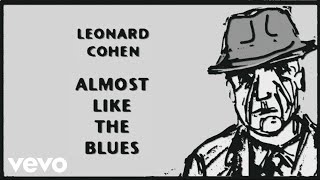
Watch the official Almost Like the Blues
music video
News of the World, Filtered Through One Soul
The first verse opens on scenes of public horror: hunger, murder, assault, burning villages, escape. Cohen compresses global suffering into quick, blunt images. The speaker then admits they were staring at my shoes
, which turns the focus inward.
That small detail is crucial. Instead of pretending to be brave, the voice confesses discomfort and avoidance. The song is not only about tragedy out there. It is also about the guilty feeling of looking away when pain becomes too large to bear.
Interpretation: Cohen may be asking whether modern people consume suffering from a distance until it becomes background noise. The line about shoes suggests shame, but also emotional paralysis.
The Chorus Turns Misery Into Bitter Irony
The refrain is one of Cohen's sharpest twists. After naming atrocities, the song answers with it was acid, it was tragic
and then lands on the title phrase. That move is jarring on purpose.
A blues song usually gives shape to pain. It turns sorrow into art, rhythm, and release. Here, Cohen says the suffering is only "almost" like that. It cannot be fully contained by music. The phrase sounds dry, even darkly funny, but the humor deepens the sadness rather than softening it.
I have to die a little
between each murderous thought
This brief passage shows how the song links world violence to private inner ruin. The speaker is not claiming to be a killer. They are describing how destructive thoughts, rage, and despair eat away at the self.
Private Guilt Meets Public Evil
One reason the song feels so unsettling is that it mixes giant historical pain with intimate, almost petty suffering. In the second verse, torture and missing children sit next to my bad reviews
. That can sound shocking, even unfair.
But the point is not that criticism equals war. The point is that the speaker's mind holds both the catastrophic and the trivial at once. Human consciousness is messy like that. Shame does not arrive in neat categories.
Interpretation: Cohen may be exposing the ego here. Even while thinking about the world's worst crimes, the self still notices its own bruises. The line is self-mocking, but it is honest.
Family, History, and the Frozen Heart
The next verse turns from headlines to inheritance. The speaker says they let the heart grow cold in order to resist corruption. Emotional freezing becomes a survival tactic.
Then Cohen brings in mother, father, and a remembered story about the Gypsies and the Jews
. That line points toward long histories of exile, persecution, and identity. Cohen, who often wrote about Jewish memory, places personal roots beside collective trauma.
The family voices also matter. One parent says the speaker is chosen; the other says the opposite. That split creates a lifelong tension between destiny and doubt, pride and rejection. The song suggests that public violence and private identity are deeply connected.
Faith, Nihilism, and a Door Left Open
The last verse challenges easy belief. A learned authority says there is no heaven and no hell. Cohen often explored religion without simple certainty, and this song fits that pattern. He sets cold intellectual doubt against lived spiritual temptation.
Then comes one of the song's most important reversals: the speaker has received an invitation that feels sinful and holy at once, leading to something almost like salvation
. The word "almost" returns. Just like the blues, redemption stays near but never fully arrives.
This is classic Cohen territory. In a brief album note, the project was presented as another late-career work balancing gravity and wit. The song fits that description exactly. It does not reject faith, but it refuses cheap answers.
How the Sound Carries the Meaning
The production, credited to Patrick Leonard and Cohen, helps explain the song's effect. The arrangement is slow, steady, and shadowy. It borrows from blues and gospel moods without becoming a standard blues number.
Cohen's low voice sounds dry, worn, and controlled. He does not oversing the horrors in the lyric. That restraint matters. The calm delivery makes the words feel heavier, as if the speaker is too tired to dramatize what they already know.
The backing vocals add a haunted, almost liturgical glow. Together, the groove and the choir-like touches create a space between barroom blues and sacred music. That musical in-between matches the lyric's repeated "almost": almost grief song, almost confession, almost prayer, almost redemption.
Why the Song Still Lands
The meaning of Almost Like the Blues Leonard Cohen endures because it speaks to a modern emotional problem: how to stay human when the world delivers endless evidence of cruelty. The song does not solve that problem. It names it.
Interpretation: Cohen's real subject may be spiritual fatigue. The speaker feels history, guilt, violence, ego, and disbelief all at once. Yet the song still turns that burden into art, which is its own small act of resistance.
In the end, "Almost Like the Blues" is about living near despair without fully surrendering to it. The song sees numbness, but it also sees the desire for grace. That mix is what makes it haunting.
Disclaimer: This interpretation is based on the song's lyrics, recorded performance, and available release context. As with most Leonard Cohen songs, listeners may hear other meanings too.








