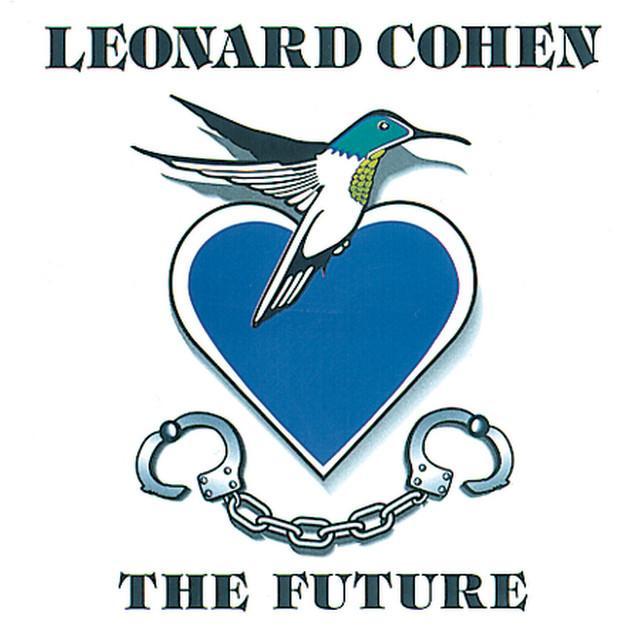
Anthem by Leonard Cohen
Why This Song Still Feels Urgent
The meaning of Anthem Leonard Cohen starts with a simple idea: broken things are not useless. They may be the very place where grace, truth, and change enter. Released on Cohen's 1992 album The Future, the song arrived in a tense political era, but its message keeps reaching new listeners because it speaks to private pain and public failure at the same time.
"Anthem" - Leonard Cohen
At the break of day
Start again
Loading lyrics...
Unable to load lyrics
We're unable to display the lyrics at this time. Please try again later.
Cohen does not offer easy comfort. They move through war, corruption, failed institutions, and human weakness. Yet the song refuses despair. Its hope is not shiny or perfect. It is stubborn hope built inside damage.
Watch the official Anthem
music video
The Core Meaning: Hope Without Illusions
At its heart, "Anthem" argues that people should keep acting, loving, and speaking even when the world is flawed. The song rejects the fantasy of purity. In the chorus, Cohen urges listeners to ring the bells
that still work, meaning they should use what remains rather than wait for ideal conditions.
That is why the next line matters so much. When they say perfect offering
, the song pushes back against the idea that people must be spotless before they can do good. Cohen's worldview, shaped by religion, poetry, and politics, often treats imperfection as the basic human condition. Here, imperfection is not just a limit. It becomes an opening.
There is a crack in everything
That's how the light gets in
These lines carry the whole song. Paraphrased, Cohen suggests that wounds, doubt, and failure can let wisdom or mercy enter. That is not the same as saying suffering is good. It means brokenness can still produce insight.
From Dawn to Disaster
The opening begins with birds at daybreak telling people to start again. That image sounds gentle, but it quickly turns. The song says wars return, innocence gets trapped, and peace is traded like a product. In other words, renewal is possible, but history keeps repeating harm.
This contrast is central to the meaning of Anthem Leonard Cohen. The song holds two truths at once:
- life offers fresh starts
- power often corrupts those chances
- people still must answer with courage
Later verses widen the focus from personal struggle to national and spiritual collapse. Cohen mentions signs, failed unions, and what he calls the lawless crowd
. He also points toward leaders who pray publicly while doing violence. The target is hypocrisy: institutions that claim holiness or justice while producing cruelty.
The Political Edge Beneath the Prayer
"Anthem" is often heard as spiritual, and it is. But it is also sharply political. Cohen's 1992 album The Future repeatedly examines social decay, and this song fits that larger frame. The line about "killers in high places" is one of his clearest attacks on elite power.
Still, the song is not a protest chant in the usual sense. Cohen sounds more like a witness than a slogan writer. They do not promise revolution by sunset. Instead, they insist on moral testimony. When the singer says they will be heard, the point is ethical resistance: speaking against lies even when systems look too large to change.
Symbols That Carry the Message
Bells, Cracks, and Birds
Cohen builds the song out of simple objects that grow larger as it goes.
The bells suggest action, ritual, and public calling. To ring the bells
is to respond, not retreat. Bells are also imperfect instruments; they can be worn, old, or damaged, yet still audible.
The crack is the song's most famous symbol. It represents damage, but also access. Light enters through weakness, not around it.
The birds at dawn suggest renewal. Their call to begin again does not erase suffering. It simply says the day has started, and people must choose how to meet it.
Refugees and the Human Heart
Near the end, Cohen says love comes like a refugee
. This is one of the song's most moving ideas. Love is not pictured as secure or triumphant. It arrives displaced, vulnerable, and carrying history.
Interpretation: This may mean that even the best human feelings come into a damaged world looking for shelter. Love survives, but it does not arrive untouched.
How the Music Supports the Lyrics
The production helps explain why the song feels both solemn and encouraging. "Anthem" uses a steady tempo, layered backing vocals, and a hymn-like structure. The arrangement is not flashy. It builds patiently, giving the chorus the force of a communal statement rather than a private confession.
Cohen's low, calm voice matters too. They do not oversing the message. That restraint makes the song sound earned. Instead of dramatic panic, listeners hear someone who has seen failure before and still chooses belief.
The repeated chorus also works like a ritual. Each return reinforces the idea that hope is a practice. People do not solve despair once. They answer it again and again.
Why Listeners Keep Returning to It
Part of the reason this song endures is that it speaks across settings. In hard times, listeners hear comfort. In political crisis, they hear resistance. In spiritual doubt, they hear permission to keep going without certainty.
Interpretation: The meaning of Anthem Leonard Cohen is not blind optimism. It is disciplined hope. The song tells people to act with the tools they have, accept that purity is impossible, and trust that truth can enter through what is damaged.
That balance is rare. Many songs offer either darkness or inspiration. "Anthem" offers both, and that is why it lasts.
Final Thought
Leonard Cohen's "Anthem" is about living faithfully in an imperfect world. It accepts corruption, grief, and human failure, but it refuses to let them have the final word. The song's lasting message is simple: do what good they can, with what they have, and do not wait to be whole before letting in the light.
Disclaimer: This interpretation is based on the lyrics, recording context, and public information, but song meaning can remain open to personal reading.








