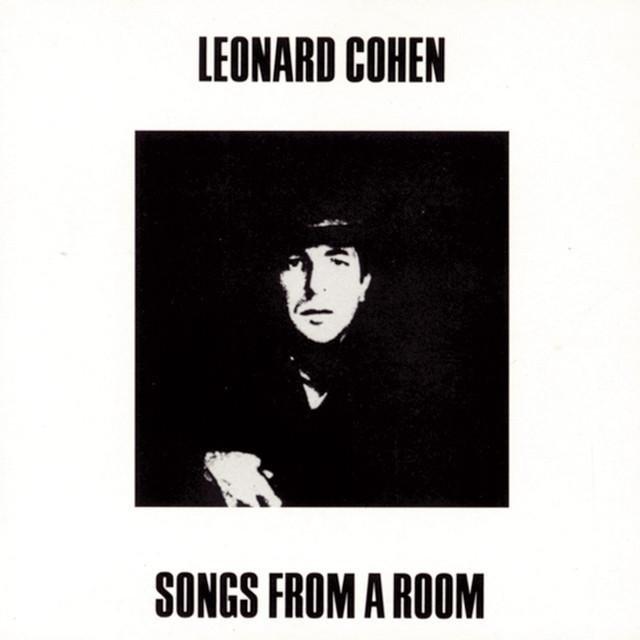
Bird on the Wire by Leonard Cohen
The meaning of Bird on the Wire Leonard Cohen often comes down to one powerful tension: they want freedom, but they know freedom has costs. In this song, Cohen builds a confession out of images that feel both humble and wounded. The speaker does not call themself innocent. Instead, they admit failure, ask for grace, and still cling to the idea that they have tried to live honestly.
"Bird on the Wire" - Leonard Cohen
Like a drunk in a midnight choir
I have tried in my way to be free
Loading lyrics...
Unable to load lyrics
We're unable to display the lyrics at this time. Please try again later.
A Confession Dressed as a Folk Song
At the broadest level, the song is about trying to be decent while falling short. The opening image, bird on the wire
, matters because it mixes liberty with restraint. A bird can fly, but the wire is still a man-made line, a limit. Right away, Cohen suggests that freedom is never pure.
That is why the next comparison, drunk in a midnight choir
, hits so hard. It turns freedom into something messy and off-balance. The speaker is not noble in a clean, heroic way. They are damaged, searching, and only partly in control.
Interpretation: Many listeners hear the song as an apology to a lover. That reading fits the repeated movement toward confession and repair. But it can also be heard more broadly as a moral self-portrait: one person measuring their life and finding both sincerity and harm.
Watch the official Bird on the Wire
music video
How the Verses Build the Song’s Emotional Arc
Each verse adds a new layer to the speaker’s self-understanding. First comes the claim that they have tried to be free. Then come apologies for being cruel or unreliable. Later, the song grows even darker, as the speaker admits they have hurt people who tried to help.
This is why short phrases like been unkind
and been untrue
matter. They are simple words, but Cohen leaves them plain on purpose. The direct language keeps the emotion grounded. Rather than hiding behind abstract poetry, the speaker names fault clearly.
The song then reaches toward redemption. The promise to make things right is not presented as easy or complete. It sounds like a vow made by someone who knows their own history. That makes the promise more moving, not less.
The Symbols That Carry the Meaning
Cohen fills the lyric with symbols of vulnerability and contradiction. The image worm on a hook
suggests helplessness and danger. It shows a person caught by life, by desire, or by consequences. The old-fashioned knight image pushes the other way, hinting at honor and devotion.
Those images seem to clash, and that is the point. The speaker is both weak and aspirational. They are not one fixed thing. They can be selfish, romantic, wounded, and loyal at once.
Another key section introduces two strangers who offer opposite advice: do not demand too much, and ask for more. This moment opens the song beyond private romance. Life itself becomes contradictory. One voice teaches restraint; another encourages desire. Cohen does not fully solve that conflict. He lets it stand.
Interpretation: That unresolved advice may reflect the whole human struggle in the song. How much should a person ask of love, freedom, faith, or life? Cohen suggests there is no neat answer.
Why the Chorus Feels So Enduring
The return to tried in my way to be free
is what makes the song linger. It is not a victory statement. It is almost a defense, but a fragile one. The phrase in my way
matters because it admits limitation. The speaker is not claiming moral greatness. They are asking to be judged with mercy.
That humility is a big reason the song has endured. According to the Leonard Cohen official site, Cohen wrote many songs that mix spiritual unrest with earthly love, and this song is one of the clearest examples. It sounds personal, but it also feels universal.
Artist Context and the Sound of the Record
Cohen wrote the song after time spent on the Greek island of Hydra, and he later connected its title image to newly installed telephone wires there, a story widely noted in biographical accounts and archives such as the Rock and Roll Hall of Fame. That real-world detail matters because it shows how ordinary scenery became a moral symbol in his writing.
The recording itself helps explain the song’s meaning. On Songs from a Room (1969), produced by Bob Johnston, the arrangement is sparse and folk-rooted, with acoustic textures that keep attention on the words; album details are documented by Columbia/Legacy discographies. There is no oversized performance pushing the listener toward one emotion.
Instead, Cohen’s voice stays measured and close. That restraint makes the confessions sound believable. The song does not beg for sympathy. It earns it through calm honesty.
The Best Way to Read Its Final Impact
So what is the meaning of Bird on the Wire Leonard Cohen? Most clearly, it is a song about flawed freedom. It says a person can seek truth and still hurt people. They can want love and still fail at it. They can speak from guilt without losing the right to hope.
That is why the song still connects. It is not about perfection. It is about the painful dignity of trying.
A Last Note on Interpretation
Any reading of Cohen’s work involves interpretation. The song invites personal meaning, and listeners may hear it as romantic, spiritual, or existential depending on what they bring to it.







