Closing Time by Leonard Cohen
The meaning of Closing Time Leonard Cohen starts with a party, but it does not stay there. On the surface, the song sounds like a rowdy last call: people drinking, flirting, dancing, and trying to outrun the night. But as the verses keep moving, Leonard Cohen turns that barroom scene into something bigger. It becomes a song about aging, broken love, spiritual hunger, and the uneasy moment when pleasure ends and truth walks in.
"Closing Time" - Leonard Cohen
And the band is really happening
And the Johnny Walker wisdom running high
Loading lyrics...
Unable to load lyrics
We're unable to display the lyrics at this time. Please try again later.
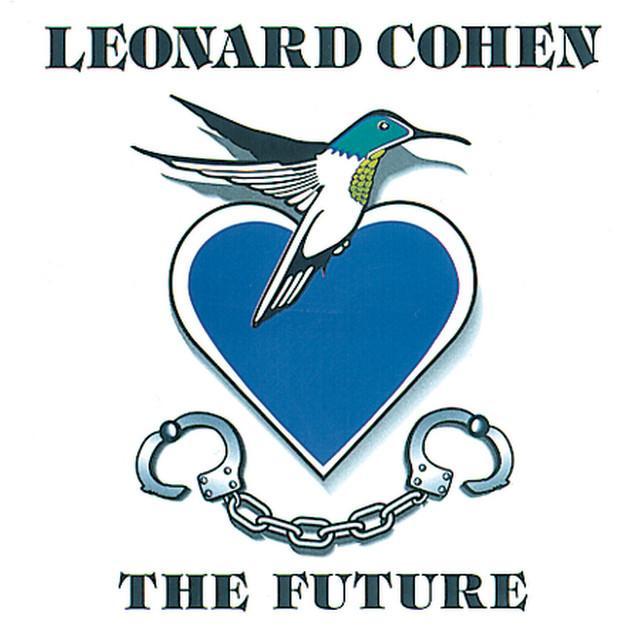
Released on The Future in 1992, the song also became one of Cohen’s bigger Canadian chart singles. That matters because it helps explain why this song feels so open and immediate. It is catchy and communal, yet still full of his usual moral and emotional tension.
A Party Song With an Expiration Date
At first, Cohen paints a crowded room where everyone is chasing release. The opening images are playful, exaggerated, and almost comic. The room feels alive, half holy and half reckless. When he repeats It’s closing time
, he is not only announcing last call at a bar. He is warning that every high has a limit.
That is the core idea. The song says joy is real, but it never lasts. Desire brings people together, then pulls them apart. Cohen shows this in the quick swing between connection and loss: partner found, it’s partner lost
. In one short line, they sum up romance, nightlife, and maybe life itself.
Watch the official Closing Time
music video
How the Story Widens From Bar to Life
One reason the song works so well is its expanding scale. It begins with people dancing, then slowly opens into deeper kinds of ending.
First movement: pleasure and chaos
The first verse feels loose and bright. Bodies move, drinks flow, and the fiddler keeps the room alive. The energy is not gentle; it is feverish. Everyone seems to act as if the night can protect them from loneliness.
Second movement: longing breaks through
Then the song shifts. Cohen brings in loneliness, romance, and a desire for relief that is bigger than simple fun. The memorable line about the gates of love
moving only slightly suggests how hard true closeness can be. People may reach for intimacy, but they do not fully arrive.
A sigh, a cry, a hungry kissThe gates of lovebudged an inch
That tiny opening says a lot. Love is possible, but only partly. The night offers contact, not completion.
Third movement: aftermath and spiritual fatigue
By the later verses, the song is no longer just about a crowd. It becomes personal and reflective. Cohen looks at beauty, sex, memory, and disappointment without pretending they are simple. He describes a state that looks like freedom
but feels close to emptiness. That tension is one of the most important clues to the song’s meaning.
Love, Body, and the Limits of Desire
Cohen often wrote about the meeting point between the sacred and the physical, and this song is a sharp example. They do not treat the body as something shameful. In fact, the song insists that physical desire is part of being human. But it also refuses to claim that sex alone can save anyone.
That is why the middle section lands so hard. The speaker admits attraction, physical love, and ongoing attachment, even after the relationship has been damaged. There is honesty here, not romance in the soft-focus sense. They see that beauty matters, bodies matter, and yet neither can stop time.
Interpretation: this part of the song suggests that adult love is both noble and compromised. It contains devotion, appetite, grief, and memory all at once.
Why the Music Sounds So Jubilant
The production is a big part of the song’s power. According to Songfacts, engineer Leanne Unger recalled that the track began from a violin sample on a Casio keyboard and was first recorded in a slower, moodier form before Cohen rebuilt it as a more upbeat version. That choice matters.
The final arrangement sounds like a folk dance colliding with a late-night cabaret. The brisk rhythm, bright fiddle feel, and singalong chorus create celebration on the outside. But Cohen’s low, steady voice keeps bringing in gravity. The contrast is the point: the music invites the crowd onto the floor while the words remind them the lights are coming on.
Endings Everywhere: Relationship, Era, Mortality
The phrase “closing time” keeps growing in meaning. By the end, it can point to at least three things:
- the literal end of a night out
- the breakdown or cooling of a love affair
- the larger closing of youth, illusions, or life itself
Because The Future was released in 1992, in a period of political and cultural uncertainty, some listeners also hear social unease in the song. References to change, excess, and spiritual confusion fit that reading. Interpretation: the party may stand for a civilization trying to dance through decline.
Still, Cohen does not make the song purely bleak. Even at its saddest, it is alive with motion, humor, and appetite. That balance is essential. He is not mocking human desire; they are showing how people keep reaching for each other anyway.
Why the Song Still Connects
The meaning of Closing Time Leonard Cohen lasts because most listeners know this feeling. They have stayed too long at a party, in a relationship, or in a phase of life. They have felt the strange mix of liberation and loss when something ends.
Cohen turns that universal moment into a song that is funny, sensual, and haunted at the same time. “Closing time” is the hour when masks slip. The room is still spinning, but reality is back.
In that sense, the song is not just about endings. It is about what endings reveal.
Disclaimer: This interpretation is based on the song’s lyrics, recording context, and public sources. As with most Leonard Cohen songs, meanings can remain open and personal to the listener.








