Why 'So Long, Marianne' Still Hurts
The meaning of So Long, Marianne Leonard Cohen starts with a goodbye, but it is not a clean break. The song sounds warm and open, yet its words keep circling pain, memory, desire, and spiritual loss. That mix is why it lasts.
"So Long, Marianne" - Leonard Cohen
I'd like to try to read your palm
I used to think I was some kind of Gypsy boy
Loading lyrics...
Unable to load lyrics
We're unable to display the lyrics at this time. Please try again later.
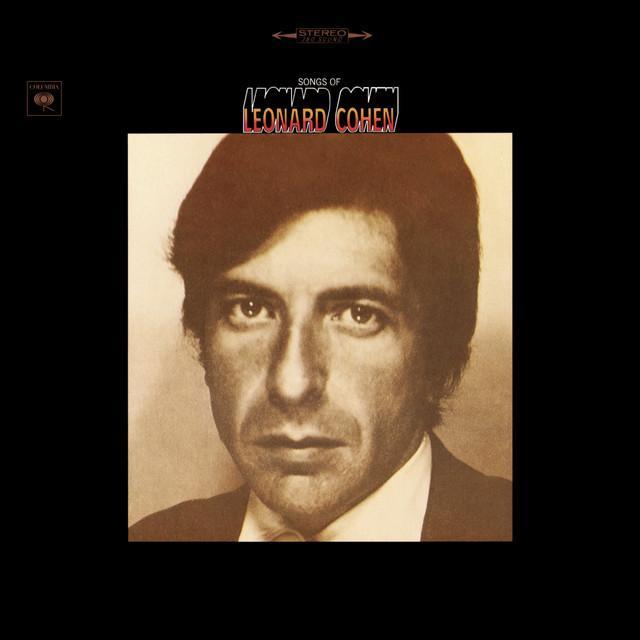
Leonard Cohen released the song on his 1967 debut, Songs of Leonard Cohen. Marianne was Marianne Ihlen, an important figure in his early life and work. That real history matters, but the song reaches beyond biography. It turns one relationship into a larger meditation on how love can save, confuse, and wound at the same time.
A Farewell That Refuses to End
At its core, the song is about trying to leave someone while still feeling tied to them. The speaker says goodbye, yet they do not sound free. Instead, they seem caught between tenderness and exhaustion.
The chorus captures that tension. When Cohen sings So long, Marianne
, the phrase sounds final. But the next idea undercuts any simple ending: they must learn to laugh and cry about everything again. In other words, the relationship is over, yet its emotional work is not.
Interpretation: This is less a breakup anthem than a song about living with the aftershock of intimacy. The goodbye is real, but so is the attachment.

Watch the official So Long, Marianne
music video
The Relationship at the Center
The song sketches a bond that is loving, intense, and unstable. Early on, the speaker invites closeness with come over to the window
. That image feels private and gentle, as if they are trying to read not just a palm but a future.
Soon, though, love becomes disorienting. The speaker admits they love living with Marianne, but the relationship makes them lose touch with parts of themselves. They even say they forget to pray for the angels
, suggesting that romance has pulled them away from faith, order, or inner balance.
That is a key part of the meaning of So Long, Marianne Leonard Cohen: love here is not only comfort. It is powerful enough to blur identity and disturb the spirit.
Memory, Distance, and Emotional Dependence
Several verses move through memories and absences rather than present action. The lovers met young, held onto each other in darkness, and later became separated by letters, longing, and doubt. The emotional timeline feels fragmented because memory itself is fragmented.
One of the sharpest images describes feeling trapped even from afar:
your fine spider web
is fastening my ankle to a stone
The idea is easy to grasp even without the full verse. Marianne is not presented as a villain. Instead, the bond itself becomes sticky and hard to escape. Distance has not loosened it.
Another striking line, cold as a new razorblade
, gives the song a sudden chill. It suggests emotional exposure: the speaker needs hidden love, yet feels stripped down and defenseless. Cohen often mixed sensuality with spiritual unease, and this song is an early, clear example.
Images That Carry the Song's Themes
Cohen builds meaning through symbols more than plot. A few stand out:
Windows, ledges, and thresholds
Windows suggest invitation and possibility. Ledges suggest risk. Together, they place the speaker between closeness and danger.
Prayer and angels
Religious language in Cohen rarely means only religion. Here it points to conscience, grace, and the fear that love has displaced something sacred.
Webs, stones, mountains, and rain
These are physical objects, but they feel emotional. Webs imply entanglement. Stones imply burden. Climbing a mountain suggests effort or devotion, while rain hints at cleansing that may not fully heal.
How the Music Softens the Blow
Part of the song's genius is that it does not sound crushed. On the surface, it is one of Cohen's more melodic and communal recordings. The arrangement uses acoustic guitar, steady rhythm, and bright group vocals that almost feel celebratory. That contrast matters.
Instead of matching the sadness with heavy gloom, the production gives the song lift. The chorus opens outward, making private grief sound shared. That helps explain why listeners often remember it as both heartbreaking and oddly comforting.
Cohen's vocal delivery is also crucial. He does not oversell the pain. He sounds calm, measured, and intimate, which makes the ache feel more believable. According to the Leonard Cohen Files, the song is closely tied to Marianne Ihlen, but the performance avoids turning their history into gossip. It stays artistic, not confessional in a cheap way.
Two Strong Ways to Read It
Interpretation 1: A breakup song with unfinished feelings. This is the most direct reading. The speaker is saying farewell while admitting that the bond remains active inside them.
Interpretation 2: A conflict between earthly love and spiritual calling. The references to angels, prayer, and kneeling suggest that romance has become a rival to transcendence. In this reading, Marianne is both a beloved person and a symbol of human attachment itself.
These readings do not cancel each other out. Cohen's writing often works by holding both at once.
Why the Song Still Connects
Many breakup songs choose one emotion: anger, regret, nostalgia, or relief. This one holds several together. It knows that endings can feel loving, resentful, grateful, and lonely all at once.
That emotional honesty is why the song still reaches new listeners in the United States and beyond. It does not pretend closure is easy. It suggests that sometimes healing means learning to laugh and cry about the same story, over and over, until it becomes bearable.
The Lasting Meaning
The meaning of So Long, Marianne Leonard Cohen is not just that someone leaves. It is that love can remain present long after a relationship changes form. The song turns farewell into a ritual of remembrance, accepting that some people never fully stop shaping them.
That is why the song feels so human: it says goodbye without pretending goodbye solves everything.
Disclaimer: This interpretation combines documented context with informed reading of the lyrics and sound. As with many Leonard Cohen songs, some meanings remain open to the listener.








