Why Leonard Cohen's Farewell Still Glows
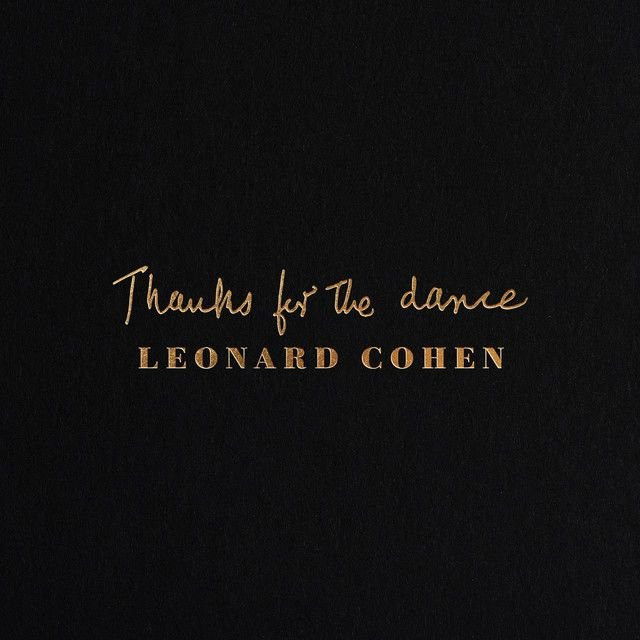
The meaning of Thanks for the Dance Leonard Cohen comes into focus when the song is heard as a calm goodbye: not only to a lover, but possibly to a whole life. They frame love as a dance that was beautiful, awkward, sensual, painful, and brief. Instead of asking for more, the speaker offers thanks.
"Thanks for the Dance" - Leonard Cohen
I'm sorry you're tired
The evening has hardly begun
Loading lyrics...
Unable to load lyrics
We're unable to display the lyrics at this time. Please try again later.
The song appears on Cohen's posthumous 2019 album Thanks for the Dance, a record completed by his son Adam Cohen from sessions and vocal recordings left after You Want It Darker; that background matters because it gives the song an added sense of leave-taking. Factually, the album was released after Cohen's death, and the song is credited to Leonard Cohen and Anjani Thomas. Those details help explain why listeners often hear it as a final bow rather than a simple love song.
A goodbye that refuses self-pity
At its core, the song looks back on a relationship with unusual balance. The speaker remembers attraction, routine, disappointment, desire, and shared panic. Yet they do not reduce the bond to tragedy. The title phrase, Thanks for the dance
, turns memory into gratitude.
That matters because the verses keep brushing against pain. Early on, the partner seems worn down, and the night feels close to ending even when the speaker pretends it has just begun. The gentle push to keep going suggests a relationship that has lasted a long time and may now be running out of energy.

Watch the official Thanks for the Dance
music video
The lovers are real, but so is the metaphor
Interpretation: The dance is more than a literal dance. It stands for a shared life with rules, timing, closeness, and missteps. The repeated count, One, two, three
, evokes a waltz, which gives the song a ceremonial feel. A waltz is intimate, but it is also formal, almost ritualistic.
That blend fits Cohen well. Throughout his work, romance often carries spiritual or philosophical weight. Here, the couple are not just two people at a party. They are two people moving through time, trying to stay in step while knowing the music will stop.
Surface, depth, and the choice to keep moving
One of the song's most revealing ideas is the request to stay with appearances rather than dig further. When the speaker says The surface is fine
, they are not celebrating shallowness. They seem to be admitting that some wounds and mysteries cannot be solved.
Interpretation: This is a mature line, not a careless one. Instead of demanding total clarity, the speaker accepts that love often survives through manners, rituals, and small pleasures. Turn up the music, pour the wine, keep dancing. That choice feels less like denial than mercy.
Marriage, parenthood, and missed futures
Midway through the song, the story widens. The mention of being married and of the baby you carried
introduces a fuller shared history. The language is striking because it points toward a future that was imagined but remains uncertain or lost.
Rather than spell out a concrete event, the song leaves that image open. It could refer to parenthood, miscarriage, possibility, or simply the life they almost built. That ambiguity is central to the song's power. Cohen lets one image hold many kinds of grief.
Joined together by fear as much as love
The song also resists idealizing romance. The pair are not united only by passion or destiny. They are, as the lyric says in part, Joined in the panic
. That small phrase changes everything.
Love here is not a neat cure. It is companionship inside confusion. They wonder if they have made some kind of peace, but the wording stays hesitant. Even agreement sounds temporary. Cohen captures how long relationships are often held together by shared uncertainty as much as by certainty.
Color, pleasure, and a brief rescue from crisis
Late in the song, memory turns vivid. Green becomes greener, blue becomes bluer, and each person feels sharply themselves. These lines suggest a flash of heightened perception, as if desire once made the world brighter.
Interpretation: This may be the song's answer to its own sadness. Even if the relationship was imperfect, it created moments of intense presence. The lovers were not dissolved into each other; they became more distinctly themselves. That is one reason the speaker can be thankful.
How the music carries the message
The production supports that reading. The arrangement is spare, measured, and elegant, allowing Cohen's late voice to sit at the center. Rather than build to drama, the song glides. That restraint makes the words feel lived-in.
The waltz pulse is especially important. Because the rhythm circles rather than rushes, the song sounds like one last turn around the floor. The music does not fight death, aging, or endings. It gives them form.
Why this song feels larger than one romance
The meaning of Thanks for the Dance Leonard Cohen is ultimately broader than a breakup or marriage portrait. Interpretation: Many listeners hear Cohen thanking life itself—for sex, trouble, faith, beauty, children, arguments, panic, color, and song. The closing mood supports that wider reading: it was terrible, wonderful, and worth it.
That is why the song lands so softly but so deeply. It does not claim that love saves everything. It says the dance happened, and that is enough to honor.
Final takeaway
They present farewell as gratitude without pretending pain did not exist. In that way, the song becomes a classic late Cohen statement: unsentimental, tender, amused, and wise.
Disclaimer: This interpretation is based on the song's lyrics, musical setting, and public context. Like many Leonard Cohen songs, it remains open to more than one valid reading.








