Why 'The Hills' Feels Like Leonard Cohen's Handoff
The meaning of The Hills Leonard Cohen starts with defeat, but it does not end there. This is a song about limits: bodily limits, artistic limits, and the hard truth that a person may not finish the climb they imagined.
"The Hills" - Leonard Cohen
The system is shot
I'm living on pills
Loading lyrics...
Unable to load lyrics
We're unable to display the lyrics at this time. Please try again later.
Yet Leonard Cohen turns that loss into something larger. In “The Hills,” they present a speaker who knows their time and strength are fading, but who also believes someone else will carry the work forward.
A Late-Life Song About Failure and Continuation
On the surface, the song sounds blunt and weary. The speaker admits, I can't make the hills
, then follows it with The system is shot
. In plain terms, they cannot complete the ascent, and the body or inner machinery no longer works the way it once did.
That is the first key to the song: this is not a story about ambition at full power. It is a confession from someone who has run up against age, illness, and the end of control.
But Cohen does something important after that confession. Instead of staying inside self-pity, the song imagines another person arriving later, seeing what they saw, and doing what they could not do. The grief of incompletion becomes a strange kind of gift.
Interpretation: the song is less about giving up than about passing something on.

Watch the official The Hills
music video
The Speaker Sounds Split Between Body and Soul
One of the sharpest moments comes when the song describes an inner divide through My animal howls
and My angel's upset
. Cohen often wrote about the pull between appetite and conscience, flesh and spirit, and this song revisits that old tension in a very compressed way.
The speaker is not just tired physically. They sound spiritually conflicted too. There is pain in the body, distress in the soul, and still a refusal to indulge regret.
That refusal matters. The lyric suggests they are not “allowed” even a trace of it, as if life itself demands a final discipline. They may be broken, but they still have to accept the role they were given.
The Mysterious “She” Changes the Song
Midway through, the song pivots toward a future figure: a woman who will come, recognize the path, and complete what was left unfinished. This “she” is the song’s biggest mystery.
Interpretation: she may not be a literal person at all. They could represent:
- a younger artist
- a future generation
- a spiritual successor
- the unrealized self the speaker could never become
That is why the line about what I left undone
lands so hard. It turns failure into inheritance. The speaker is not erased; they become part of someone else’s beginning.
There is also a brief sense of collision between lives, where time seems to pause and a door opens. That image gives the song a near-mystical feeling, as if human efforts continue across generations in flashes of recognition.
Creativity, Blank Pages, and the Fear of Not Finishing
Another striking section moves from the body to the page. The speaker says their page was too white and their ink too thin, suggesting that the work itself would not fully come through.
This is classic Cohen territory. He was famous for slow, difficult writing, endless revision, and treating songs almost like sacred labor. Here, the blank page becomes a symbol of unfinished expression.
The contrast between day and night deepens that idea. The night can sketch the vision, but daylight cannot fully write it down. In other words, inspiration exists, but completion does not.
For readers looking for the meaning of The Hills Leonard Cohen, this is a major clue: the song is not only about death or sickness. It is also about the torment of the artist who sees clearly but cannot fully realize the vision.
Why the Hook Matters So Much
The repeated line about knowing “she” is coming gives the song its emotional center. The speaker calls that expectancy the longing, and then names it the hook.
That is a brilliant move. A hook in pop terms is the part that grabs the listener. Here, the hook is also the human ache itself: the need to believe that something unfinished in one life will be answered in another.
So the song’s refrain is not just catchy repetition. It explains the entire emotional engine of the piece. Longing is what keeps the speaker alive, even while admitting defeat.
Sound and Context Make the Meaning Deeper
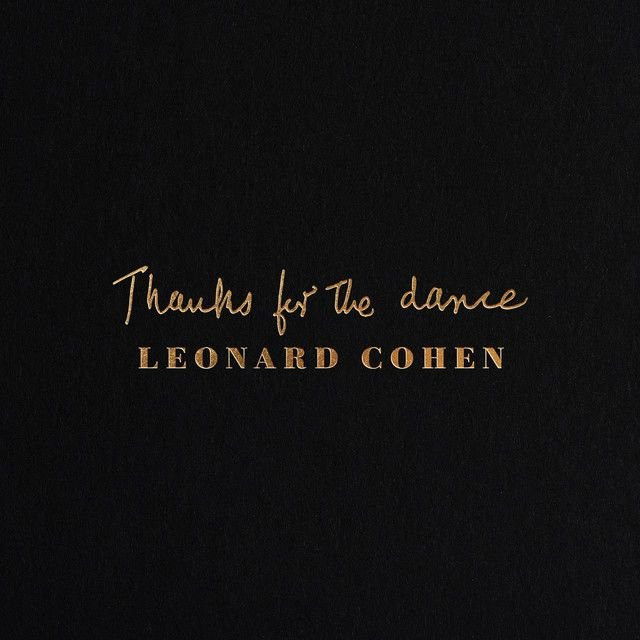
“The Hills” appears on Thanks for the Dance, Leonard Cohen’s posthumous 2019 album, completed by Adam Cohen from material connected to the You Want It Darker sessions, according to the album’s documented background on Wikipedia: https://en.wikipedia.org/wiki/Thanks_for_the_Dance.
That context matters. The album was released after Cohen’s death and was widely praised; Wikipedia summarizes a Metacritic score of 84/100 and notes strong reviews for the record. Knowing this, “The Hills” naturally feels like part of a final artistic statement.
Production details listed there also show a rich arrangement on this track, including horns, saxophone, drums, organ, synthesizer, guitar, and layered backing vocals. Even without quoting interviews, that lineup helps explain the mood: the song sounds grave but not empty, intimate but still spacious.
Interpretation: the arrangement supports the lyric’s central paradox. The voice sounds worn down, yet the music creates room around it, as if the speaker is already placing their words into a larger afterlife.
The Best Way to Understand the Ending
Near the end, the song looks back on motion and collapse, grace and failure. The speaker has soared, then sunk. Time has moved beyond public shame, and all that remains is the plain truth of limitation.
That is why the recurring admission about the hills never feels small. It is the song’s honest floor. From there, Cohen builds a vision of humility, succession, and unfinished beauty.
In the end, “The Hills” is not simply a song about not making it. It is a song about how meaning survives when a person cannot finish the climb themselves.
Disclaimer: This interpretation is based on the lyrics, recording context, and publicly available album information. As with many Leonard Cohen songs, ambiguity is part of the design, so other readings are possible.









