
Winter Lady by Leonard Cohen
A brief answer to the song’s central mystery
The meaning of Winter Lady Leonard Cohen centers on a brief meeting shaped by distance, memory, and acceptance. The singer speaks to a woman who is passing through his life, and they seem to know the connection will not last. Instead of trying to turn that moment into a full romance, they name its limits.
"Winter Lady" - Leonard Cohen
Until the night is over
I'm just a station on your way
Loading lyrics...
Unable to load lyrics
We're unable to display the lyrics at this time. Please try again later.
That is why the refrain matters so much. When the narrator says stay a while
and then admits I'm not your lover
, they sound tender but realistic. The song is not only about desire. It is about knowing when someone is only a stop on the road, not a final destination.
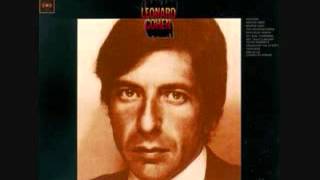
Watch the official Winter Lady
music video
Where the song sits in Leonard Cohen’s early world
"Winter Lady" appears on Leonard Cohen’s 1967 debut album, Songs of Leonard Cohen, the record that introduced many of his key themes: solitude, longing, spiritual weight, and romantic uncertainty. Basic album facts are documented by Columbia/Legacy album notes and the Leonard Cohen official site.
Its sound fits that early period. The arrangement is sparse, led by acoustic guitar with soft accompaniment, which leaves room for Cohen’s calm, intimate vocal style. That stripped-back production makes the song feel like a late-night conversation rather than a dramatic confession.
The story: one traveler, one temporary shelter
On the surface, the plot is simple. A traveling woman arrives. The speaker asks her to remain until morning, while also saying they understand she belongs to the road. The key image is just a station
. That line turns the relationship into a place of transit.
This matters because a station is useful, warm, and real, but it is not a home. The speaker gives comfort without demanding permanence. In that sense, the song is gentle but sad: they want closeness, yet they already know the ending.
Memory turns the stranger into a ghost
The second verse deepens the emotion by introducing a remembered woman, described as a child of snow
. The traveler reminds the speaker of that earlier figure, especially in the way she wears her hair. This is where the song moves beyond a scene and into memory.
Interpretation: the present encounter may be less important than what it awakens. The traveler becomes a trigger for grief, nostalgia, or unfinished feeling. The speaker may be asking the current woman to stay, but emotionally they are also addressing someone from the past.
That helps explain the wintry title. “Winter” suggests beauty, stillness, and emotional cold. The woman in the song is lovely, but she is hard to hold onto. She feels seasonal, passing, and touched by absence.
The strangest images tell the deepest truth
Cohen often used dreamlike details, and this song gives one of the most vivid examples. The remembered woman does not just resemble the traveler in ordinary ways. She exists in a haze of art, breath, and smoke.
smoke and gold and breathing
Paraphrased, the image turns hair into something woven from air and light. It is less a physical description than a portrait of memory itself. People from the past often return in fragments: soft edges, color, movement, atmosphere. Cohen captures that feeling in a few words.
Why the doorway scene changes everything
Late in the song, the speaker asks why the woman is silent in the doorway. Then comes the emotional pivot: you chose your journey
. That idea removes blame. She is not cruel for leaving; she was always meant to leave.
This is one of the most important clues to the meaning of Winter Lady Leonard Cohen. The song is not a complaint about rejection. It is an act of recognition. The speaker sees the traveler clearly and stops pretending that desire can rewrite her nature.
How the chorus holds love and resignation together
The chorus works because it balances invitation with surrender. First there is warmth: stay through the night. Then there is realism: this is not a lasting union. Cohen places comfort and loss in the same breath.
Interpretation: that contrast may be the song’s real subject. Human connection can be genuine even when it is temporary. A brief encounter does not become meaningless just because it ends. In fact, its shortness may be what gives it such ache.
How the music supports the lyric meaning
The production never rushes the song. Its folk-based arrangement and measured pace create a sense of pause, as if time slows for one last conversation before dawn. Cohen’s low, restrained delivery avoids melodrama. He sounds reflective, almost already resigned.
That matters because louder production could have turned the song into heartbreak theater. Instead, the music keeps the feeling private. It lets the listener hear the spaces around the words, which suits a song about someone who cannot be kept.
Two strong readings of “Winter Lady”
There are at least two persuasive ways to hear the song:
- A literal passing romance. A traveler stops, the speaker wants one night of closeness, and both know she will move on.
- A song about memory and substitution. The traveler mainly stirs the ghost of an earlier love, making the present moment feel haunted by the past.
Both readings fit the lyrics, and Cohen’s writing often encourages that kind of overlap.
The lasting meaning of “Winter Lady”
What makes the song memorable is its honesty. It understands that some people enter life as visitors, not partners. Still, the song does not treat that as failure. It treats the moment with grace.
For listeners today, the meaning of Winter Lady Leonard Cohen lies in that mature sadness: love can be brief, memory can make strangers glow, and acceptance can hurt almost as much as loss.
Disclaimer: This interpretation is based on the song’s lyrics, recorded performance, and widely known context. Like many Leonard Cohen songs, “Winter Lady” remains open to more than one valid reading.








