
Why ‘Theme Song for H Street’ Still Hits
The meaning of Theme Song for H Street Less Than Jake comes from a feeling many listeners know well: people drift away, neighborhoods change, and yet their deepest beliefs somehow survive. On the surface, the song sounds quick and bright, like much of Less Than Jake’s late-1990s work. Underneath, though, it is about loss, memory, and the awkward moment when youthful ideals meet adult reality.
"Theme Song for H Street" - Less Than Jake
Just left yesterday and I know
I know your girlfriend
Loading lyrics...
Unable to load lyrics
We're unable to display the lyrics at this time. Please try again later.
The track appears on Hello Rockview, Less Than Jake’s 1998 album, released on October 6, 1998, and produced by Howard Benson with the band. The album reached No. 80 on the Billboard 200 and is often seen as one of the group’s defining records. It was also part of a broader autobiographical thread tied to drummer and lyricist Vinnie Fiorello’s life, according to album background summarized by available reference sources.
A Song About Leaving Without Letting Go
At its core, this song deals with departures. Early lines mention a best friend who has gone and a girlfriend who has moved away. Those details matter because they are ordinary losses, not dramatic tragedies. That makes the song more relatable. It is about the slow breakup of a social world.
The speaker does not answer these losses with big speeches. Instead, they can only say I know
. That small phrase does a lot of work. It suggests empathy, resignation, and emotional exhaustion all at once.
Interpretation: the song is less about one event than about a pattern. People keep leaving, and the narrator has reached a point where understanding the pain does not stop it.
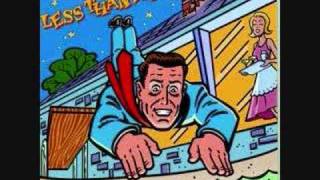
Watch the official Theme Song for H Street
music video
The Real Conflict: Ideals vs. Real Life
One of the song’s strongest ideas comes in the memory of being asked how long ideals can keep someone warm. That image turns belief into something practical. Can principles actually help when life gets hard?
The answer is not simple. The song remembers a nervous laugh
, which suggests the characters did not really know. They laughed off the question then, but later events make it feel serious.
This is where the meaning of Theme Song for H Street Less Than Jake becomes more than nostalgia. It asks whether growing up means giving up. The lyrics seem to say no—or at least not completely. A key thought arrives near the end: things change, but beliefs remain. That does not sound triumphant. It sounds earned.
Friendship as the Last Safe Place
The song feels conversational, almost like one friend talking to another after a long night. They share old memories, repeated disappointments, and a mutual sense that outsiders are predicting their collapse. There is a sharp image of people betting smokes
on how close the end is. That phrase makes the judgment feel casual and cruel, like local gossip.
Still, the song pushes back. It tells the other person, in effect, that they were right about how they would eventually figure things out. That idea matters because it keeps the relationship at the center. Even if romance fails and friends leave town, one bond still carries meaning.
A brief lyric snapshot
Things change but beliefs stay the same
That line captures the song’s emotional thesis. Life shifts. Values do not fully disappear.
How the Sound Supports the Message
Less Than Jake built their reputation on mixing punk speed with ska horns, and Hello Rockview is a strong example of that blend. Reference material on the album lists the record in the ska punk, punk rock, and pop-punk lanes, with Chris DeMakes and Roger Lima handling vocals and the band’s horn section adding brightness.
That sound matters here. The music likely moves with the band’s usual forward charge, but the lyrics carry uncertainty and weariness. This contrast is one reason the song lands so well. The arrangement says, keep moving. The words say, this still hurts.
There is also useful production context. Producer Howard Benson later said he used Auto-Tune heavily on Hello Rockview, even on horns, and eventually felt some of that was a mistake. Whether listeners notice that directly or not, the slightly sharpened, polished edge of the album fits a song about trying to hold order together while life frays.
Why H Street Feels Bigger Than One Place
The title points to a street, but the song’s emotions are broader than one address. H Street can be heard as a stand-in for a local scene, a block, a friend group, or a chapter of young adulthood. It feels specific enough to be real, yet open enough for listeners to map their own past onto it.
Interpretation: calling it a “theme song” may be a little ironic. Theme songs are supposed to sound confident and defining. This one feels like a theme for people trying to stay themselves while everything around them becomes uncertain.
That irony fits Less Than Jake well. Across Hello Rockview, the band often wrote about hometown life, frustration, memory, and identity. This track slips comfortably into that world. It is not just about losing people; it is about learning which parts of the self can survive those losses.
Why the Song Endures
What keeps the song alive is its mix of modest detail and big feeling. It does not overstate its pain. Instead, it uses phrases like just moved away
and sang along
to show how ordinary moments become emotional landmarks later.
For many listeners, that is exactly how memory works. The song understands that major life changes often arrive through small conversations, old car radios, and one last night with a friend. In that way, the meaning of Theme Song for H Street Less Than Jake is about endurance: not winning, not escaping, but staying connected to what once mattered.
That is why the track still resonates. It turns fading local history into something communal, catchy, and painfully human.
Disclaimer: This article offers interpretation based on the song’s lyrics, album context, and documented background. As with most songs, meanings can vary from listener to listener.







