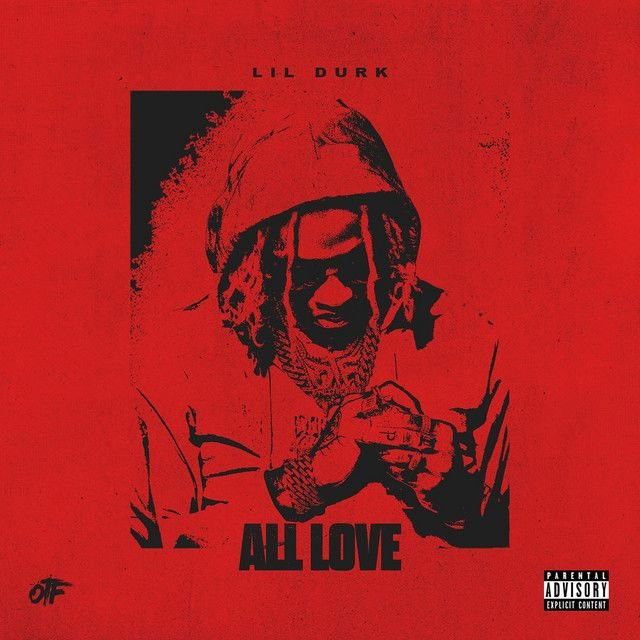
All Love by Lil Durk
Why This Track Feels Warm and Wary
The meaning of All Love Lil Durk centers on a hard question: what does love look like when money, danger, fame, and loyalty are all mixed together? On the surface, the hook sounds reassuring. But the verses make that phrase feel tested, even fragile.
"All Love" - Lil Durk
They told me it's all love, but I love all
I'm CashAppin' a couple hunnid whenever my brother call
Loading lyrics...
Unable to load lyrics
We're unable to display the lyrics at this time. Please try again later.
Lil Durk uses the song to measure who really stands with him. They describe giving to loved ones, remembering the trenches, and spotting fake support. In that way, the track is not just about affection. It is about proof.

Watch the official All Love
music video
The Core Message Beneath the Hook
At the center of the song is a tension between public claims of loyalty and private disappointment. Early on, Durk says all love
, then quickly fills the song with stories that question that idea. They help brothers with money, think about who stayed solid, and call out people who switched up when pressure came.
Interpretation: the hook works almost like irony. It sounds simple, but each verse adds doubt. Instead of saying love is everywhere, Durk seems to ask whether real love can survive status, addiction, jealousy, and street expectations.
That tension gives the song its emotional pull. They are not rejecting love. They are demanding a stricter definition of it.
Brotherhood, Obligation, and Real Support
One of the clearest ideas in the song is that love means action. Durk mentions sending cash when a brother calls. That detail matters because it turns loyalty into something practical, not sentimental. In this world, support is measured by what someone does when help is needed.
They also connect personal loyalty to group identity. When Durk says it's all us
, the line suggests that closeness is collective. Family, day-ones, and trusted friends form a circle that outsiders cannot easily enter.
When the Past Still Shapes the Present
Durk often writes from a place where success never fully erases survival mode. Here, they remember not knowing luxury and compare that past with a present full of status symbols. The contrast is important: wealth changes surroundings, but it does not automatically heal distrust.
That is why lines about lawyers, jail time, and old friends carry so much weight. Love is never abstract in this song. It is shaped by legal trouble, shared struggle, and whether someone stayed loyal when life got ugly.
The Dark Side of 'Love'
The song also shows how easily the language of love can hide selfishness. Durk points to betrayal, fake people, and shifting alliances. A phrase like I thought it was real
captures that disappointment without needing a long explanation.
Interpretation: this is where the song becomes more than a flex track. Yes, there are references to wealth, women, and power. But those details also show how success attracts people who may not care about the person underneath the image.
Durk’s suspicion comes from experience. They describe a world where some people talk like friends but act in ways that prove otherwise. That is why the repeated hook lands with mixed feeling: hope on one side, caution on the other.
Status Symbols as Emotional Evidence
Luxury brands, cars, jewelry, and weapons appear throughout the track. These are common rap images, but here they do more than signal success. They mark distance from the past and reveal how Durk now reads the people around him.
When they compare old conditions with better ones now, the message is not simply “they made it.” It is that making it changes social gravity. Some people become more loyal. Others become more calculating.
A short phrase like had to detox
says a lot in that context. Durk is not only separating from bad habits. They are also cleansing their circle of fake energy.
How the Sound Reinforces the Meaning
The production credit in the provided details points to Teun Bauhuis and Trenton D. Turner, with Turner also tagged in the vocal drop. The beat suits Durk’s message because it feels steady, moody, and unhurried. Instead of sounding triumphant, the instrumental leaves room for reflection.
That matters. A louder, more explosive beat might have pushed the song toward pure boasting. Here, the calmer atmosphere lets the listener hear the weariness behind the confidence.
Durk’s Delivery Sells the Conflict
Durk’s voice moves between flat certainty and emotional strain. They do not over-sing the hook. That choice makes all love
sound less like celebration and more like something repeated to test whether it is still true.
His delivery also helps balance two sides of the song:
- pride in what he has built
- grief over what loyalty has cost
- distrust of people around him
- devotion to the few he still claims
That balance is a big part of the meaning of All Love Lil Durk.
A Reasonable Alternate Reading
There is another way to hear the song. Interpretation: instead of irony, the hook may be aspirational. In that reading, Durk is not mocking the phrase. They are trying to hold onto it despite everything that has happened.
That interpretation fits because the song never becomes fully cold. Even while calling out betrayal, they keep returning to care for brothers, memories of hardship, and the need to protect a trusted inner circle.
It's all love
man, it's all love
In context, those repeated words can sound defensive, but they can also sound like a wish for unity in a life that rarely allows it.
What the Song Ultimately Says
In the end, “All Love” is about love under pressure. Lil Durk presents loyalty as something expensive, fragile, and easy to fake. The song argues that real love is not a slogan. It is sacrifice, presence, memory, and consistency.
That is why the track lingers. It offers the warmth of brotherhood, but it never forgets the cold reality around it.
Disclaimer: This article offers interpretation based on the lyrics provided and publicly available song information. Meanings can vary by listener and may differ from the artist’s private intent.








