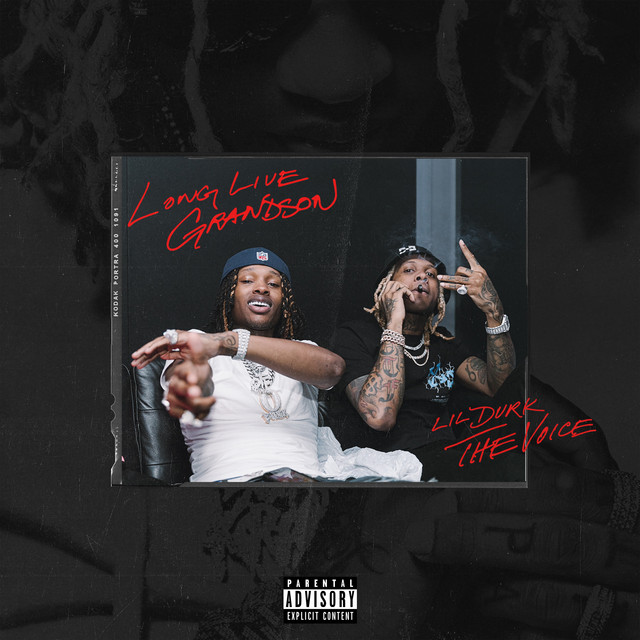
Changes by Lil Durk
In "Changes," Lil Durk does not celebrate growth. They frame change as something unsettling: people switch up, danger stays close, and success never fully quiets the past.
"Changes" - Lil Durk
Provided by LyricFind(AyeTM)
Wakin' up to gunshots every night, I wasn't scared
Rules 'round the trenches, ain't no trappin' if you scaredLoading...Loading lyrics...
Unable to load lyrics
We're unable to display the lyrics at this time. Please try again later.
What the meaning of Changes Lil Durk really points to
The meaning of Changes Lil Durk centers on survival in a world where trust keeps breaking down. The song moves through street rules, paranoia, legal pressure, and disappointment with people who act different once money and fame enter the picture.
This is not a clean transformation story. Instead, Durk presents change as uneven and often ugly. Some people become disloyal. Some rumors spread faster than truth. And the speaker seems caught between the person they were and the public figure they became.
Interpretation: the title sounds broad, but the song uses it in a bitter way. Change is everywhere, yet very little actually gets better.
Watch the official Changes
music video
A voice shaped by drill, but aimed at trauma
Lil Durk has long been linked to Chicago drill, and they are widely seen as one of the genre's defining figures. Over time, though, Durk's music became more melodic and emotionally open, especially around the 7220 era. Critics at Stereogum argued that 7220 leaned into "sad songs about trauma" more than old-school drill aggression.
That context matters here. "Changes" still contains violent detail and hard-edged warnings, but the deeper feeling is exhaustion. Even when the lyrics sound threatening, they also sound haunted.
Durk Banks, the artist's real name, is credited as a writer along with Thomas Moore. Biographical sources also note Durk's roots in Chicago drill and his rise from the early 2010s scene into mainstream success on projects like 7220 (Wikipedia).
The first verse lives inside constant alert
The opening lines drop the listener into danger right away. When Durk says they are wakin' up to gunshots
, the point is not shock value alone. They show how violence has become routine.
From there, the verse lays out a code of conduct. Fear is treated like weakness, and reputation depends on action, not talk. That pressure explains why so much of the song feels trapped. In this world, a person cannot simply step back without consequences.
One striking detail is the admission about image: scared to show my past
. That line opens the song beyond crime talk. It suggests shame, self-protection, and the pressure to manage how fans see them.
Interpretation: this is one of the key lines in the song. It hints that public success has forced Durk to edit their story, even while the past still controls the present.
Loyalty, money, and rumor all get twisted
The middle section shifts from physical danger to social danger. Durk keeps returning to who can be trusted, who disappeared during hard times, and who now uses their name for attention.
When they mention don't believe no rumor
, the song becomes partly about reputation. Fame has made the speaker more visible, but also more vulnerable to gossip and false stories. That helps explain the suspicious tone in nearly every bar.
The money theme matters too. Requests for cash are tied to loyalty tests, resentment, and recording conversations for protection. Instead of wealth bringing freedom, it creates more proof that relationships have become transactional.
Why the title feels ironic
The clearest statement in the song comes near the end with the real change
. Durk is not talking about maturity in a simple sense. They are noticing a moral shift around them.
People who once seemed solid now look fake. Those who claim authenticity act selfish, cheap, or dangerous. The final stretch becomes a list of character judgments, almost like Durk is sorting real people from performers.
That is why the title works so well. "Changes" is not about one event. It is about a creeping realization that the rules, faces, and motives around them have all shifted.
How the production supports the message
Even without a full production credit confirmed here, the beat tag AyeTM
points to a producer presence at the top. Musically, the track fits the darker side of Durk's catalog: tense drums, sparse melody, and enough space for their voice to carry both menace and fatigue.
That balance is important. A busier beat might have turned the song into pure aggression. Instead, the stripped-down feel leaves room for reflection. The performance sounds clipped and watchful, as if Durk is scanning every memory while rapping it.
This matches what critics have said about Durk's evolution. Their music often keeps drill's chaos while adding melodic grief and hard-earned vulnerability (Stereogum). "Changes" sits right in that lane.
A useful way to read the song
A simple way to understand the track is through three layers:
- Street survival: violence is normal, and weakness feels costly.
- Public image: fame creates pressure to hide pain and manage stories.
- Emotional disillusionment: success reveals who was never truly loyal.
Interpretation: the song's biggest idea is that external progress does not equal inner peace. Durk may have moved upward, but their environment, memory, and distrust move with them.
What listeners often connect with most
Many listeners hear "Changes" as more than a street record because it captures a common feeling: outgrowing people while still being tied to where they came from. The details are specific, but the emotional core is wider than that.
That is why the meaning of Changes Lil Durk resonates. It speaks to grief, suspicion, and disappointment in a voice that sounds lived-in rather than polished.
Final takeaway
"Changes" shows Lil Durk treating change as a warning sign, not a victory lap. They map how violence, fame, and broken trust can reshape a person without truly freeing them from the past.
Disclaimer: This interpretation is based on the song's lyrics, tone, and publicly available artist context. As with any song, meaning can vary by listener and may differ from the artist's private intent.







