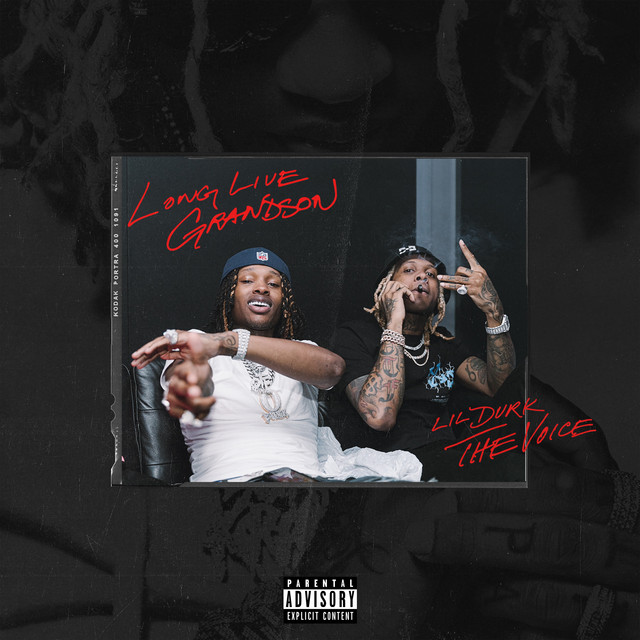
Why Lil Durk's "Not The Same" Feels So Heavy
The meaning of Not The Same Lil Durk comes through fast: this is a song about what success cannot erase. Lil Durk presents a life where money, jewelry, and status sit right next to trauma, legal fear, and grief. Even when the record sounds confident, it carries a tired, haunted feeling.
"Not The Same" - Lil Durk
Yeah, yeah, yeah, yeah
And I be happy when I rush into them bright lights
Loading lyrics...
Unable to load lyrics
We're unable to display the lyrics at this time. Please try again later.
They use the song to look backward and forward at once. On one level, it is a status update from someone who made it out. On another, it is a warning that escape is incomplete when the past still shapes every choice.
The Hook Turns a Street Report Into a Lament
The chorus is simple, but that simplicity gives it weight. When Durk repeats not the same
, he is not only describing the streets. He is also describing values, friendships, and his own state of mind.
Interpretation: the hook sounds like mourning more than bragging. The idea is that the old rules are gone, loyalty is thinner, and survival now requires even more suspicion. That makes the song less like a victory lap and more like a diary entry from someone who no longer trusts the world around them.
He deepens that feeling when he says he can talk about his past with a melody
. In plain terms, music becomes his way to turn pain into something controlled. They are not just recounting events; they are shaping memory into art.
Watch the official Not The Same
music video
Success Arrives, but Peace Does Not
A major theme in the song is the gap between material success and emotional safety. Durk mentions luxury watches, expensive cars, and a larger lifestyle, yet none of it sounds calming. The flexes feel defensive, as if wealth proves he survived but cannot prove he healed.
That matters to the meaning of Not The Same Lil Durk because the song keeps undercutting its own triumph. After signs of fame, he quickly moves back to violence, betrayal, and the body-level effects of drug use. The result is a portrait of someone who has risen financially while staying mentally trapped in emergency mode.
Legacy, Children, and Adult Pressure
One of the clearest shifts in the track comes when he frames life around family and future responsibility. He says it is about his kids and a legacy
, which pushes the song beyond pure street storytelling.
That line changes the stakes. They are no longer hearing only a rapper proving toughness. They are hearing a father and provider trying to build something lasting while old dangers still surround him.
Street Codes, Betrayal, and Moral Exhaustion
Durk's writing in this song is full of judgment. He criticizes disloyalty, snitching, and failure under pressure. In his world, betrayal is not a small flaw; it is social poison.
When he calls someone infected
, the image suggests that disloyalty spreads. That metaphor matters because it shows how deeply corruption has entered his environment. Trust is no longer weak; it feels contaminated.
Interpretation: this is why the song sounds so exhausted. He is not shocked by wrongdoing anymore. He expects it. That emotional numbness makes the track darker than a simple threat-heavy rap song.
The Sound Gives the Words More Weight
The production, credited in the provided information to Greg Tecoz, supports the song's themes by staying lean and ominous. Rather than sounding bright or celebratory, the beat leaves space around Durk's voice. That open space makes each line feel colder and more exposed.
His delivery also matters. He often sounds half-confessional, half-warning, moving through bars with a steady, bruised tone instead of wild energy. That restraint helps the song feel believable. They sound like someone reporting from inside a life they know too well, not performing a character.
In practical terms, the beat and vocal style work together to do three things:
- Keep the focus on the words.
- Make the hook feel more fatalistic.
- Turn luxury details into uneasy symbols instead of happy ones.
Images That Reveal the Song's Deeper Meaning
Several recurring images sharpen the track's message. Bright lights suggest fame, but not comfort. Pills suggest self-medication, not pleasure. Jewelry and cars suggest achievement, but also risk and scrutiny.
Then there is the line about making sure the time right
. On the surface, it is about a watch. Underneath, it fits the song's obsession with timing, survival, and consequence. Everything in Durk's world depends on being early, alert, and prepared.
Another revealing detail is the contrast between court pressure and vacation dreams. He imagines escape, but the legal system pulls him back. That tension between fantasy and reality gives the song its emotional shape.
A Personal Song With a Wider Meaning
Part of what makes this song hit is how personal it feels while still pointing to something bigger. Lil Durk has built much of his career on blending pain, melody, and drill-rooted realism, a style widely noted in coverage of his rise and catalog by sources such as Billboard and AllMusic. This track fits that pattern closely.
Interpretation: the song argues that street survival changes a person permanently. Even after money arrives, the body remembers fear, the mind remembers loss, and the voice keeps returning to what was taken.
Final Take on the Meaning
The meaning of Not The Same Lil Durk is not just that the streets changed. It is that change leaves scars. The song shows a person who escaped one version of danger only to carry it inside a new life of fame and responsibility.
That is why the record feels so heavy. It mixes pride, grief, paranoia, and duty without pretending those feelings can be neatly resolved.
Disclaimer: This article offers interpretation based on the lyrics provided, artist context, and the song's musical presentation. Meanings in music can vary from listener to listener.









