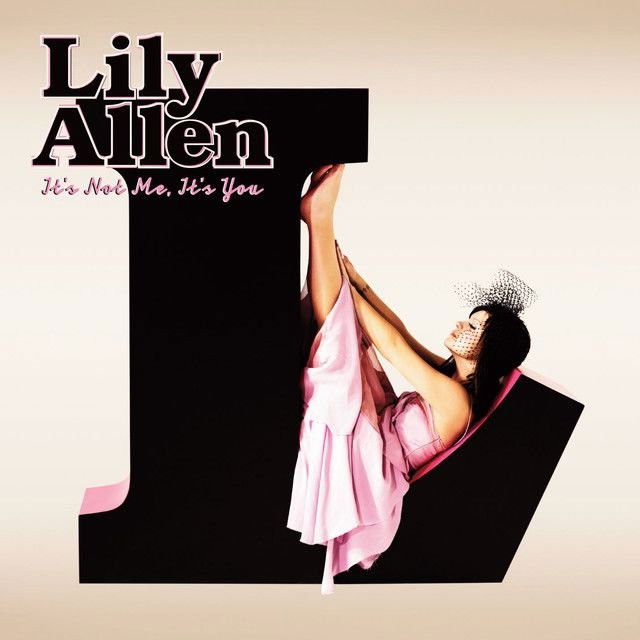
Not Fair by Lily Allen
They don’t need to blush to get the meaning of Not Fair Lily Allen is after. Under a sunny country shuffle, Lily Allen tells a blunt story about a boyfriend who is perfect outside the bedroom and disappointing inside it—and how “fairness” should include her pleasure too.
"Not Fair" - Lily Allen
He says he loves me all the time
He calls me fifteen times a day
Loading lyrics...
Unable to load lyrics
We're unable to display the lyrics at this time. Please try again later.
A Country Wink Hiding a Sexual Complaint
Released in 2009 as the second single from It’s Not Me, It’s You, “Not Fair” was written by Lily Allen with Greg Kurstin and produced by Kurstin. It pairs Allen’s sly vocal with a country/bluegrass‑flavored bounce. That bright twang sets up a joke: the sound promises wholesome fun while the lyrics deliver a candid grievance. The friction between style and subject is the point—sweet on top, sting underneath.
Critically, the song drew mixed reactions to its explicit theme, yet it became a commercial success, reaching the UK Top 5 and peaking high across Europe and Australia. The hit status suggests listeners recognized the humor—and the truth—in Allen’s complaint.

Watch the official Not Fair
music video
The TL;DR Meaning, No Blushing Required
At heart, the song is about imbalance. The narrator says he treats me with respect
and showers attention—he even calls fifteen times a day
. But when intimacy starts, she hits a wall: you’re just no good
. The chorus reframes the relationship in terms of justice and reciprocity. He expects care; she wants the same.
Interpretation: Allen is arguing that kindness in public doesn’t excuse selfishness in private. Real care includes listening, learning, and giving back.
Voice and Target: Who’s Getting Called Out?
This is first‑person confessional pop. The narrator speaks to a specific boyfriend, praising him before pivoting to frank critique. The direct address makes the grievance feel both comic and personal, like a roast with receipts. The pre‑chorus is the hinge where admiration turns into frustration.
It’s not fair You never make me scream
By repeating the complaint in a sing‑song hook, Allen turns a private bedroom issue into a public standard: pleasure should be mutual.
Verse-to-Chorus: How the Story Unfolds
- Verse 1: She details his sweetness and reliability, building a case for why he seems like “the perfect guy.”
- Pre‑chorus: The mask slips; admiration flips to disappointment when sex begins.
- Chorus: The fairness frame lands; her unmet needs are the thesis of the hook.
- Verse 2: She adds comic, graphic specifics and wavers—maybe she’s overreacting—capturing real‑life second‑guessing.
- Final repeats: The complaint stands. The imbalance hasn’t changed.
A key refrain—all you do is take
—broadens the message from sex to the entire emotional economy of the relationship.
Symbols, Jokes, and the Sting
Allen’s humor leans on everyday detail. Phone‑call overkill, the awkwardness after sex, and the embarrassed second‑guessing all make the story feel lived-in. The “scream” motif is a punchline and a symbol of agency; it’s about being heard. The word “noise” in the pre‑chorus hints at a partner who performs pleasure clichés instead of paying attention.
Interpretation: The comic exaggerations aren’t there to shock—they’re there to normalize a boundary. She’s not attacking affection; she’s demanding parity.
Why the Sound Matters (and Sells the Joke)
Musically, “Not Fair” rides a brisk, two‑step groove with cheerful strums and a hoedown lilt. Greg Kurstin’s production polishes the country pastiche without losing its wink. The bounce lets Allen deliver sharp lines with a smile, offsetting the directness of the subject and inviting sing‑along rather than recoil.
The video doubles down on satire, staging Allen as a 1970s TV‑country star—big smiles, cowgirl dancers, and corny stage cues. The vintage gloss makes the explicit complaint even funnier, like a taboo smuggled onto family television. It’s a clever visual metaphor: traditional packaging, modern honesty.
Reception, Edits, and Artist Context
Despite some critical side‑eye at the “pseudo‑country” turn, the track connected with audiences and became one of Allen’s notable hits of 2009. Radio edits bleeped a few words, proof that mainstream play required sanding off the roughest edges. Later, Allen remarked that the “sex‑based single” could intimidate potential partners—a reminder that frankness about female desire still unsettles some listeners.
Other Ways to Hear It
- Interpretation: It’s a broader critique of emotional labor. The chorus could apply to any lopsided relationship—work, friendship, family—where one person keeps giving without return.
- Interpretation: It’s a satire of the “perfect boyfriend” checklist. Good manners and constant contact can look caring while masking inattention to what truly matters.
Final Take
If they’re searching for the meaning of Not Fair Lily Allen, it’s simple: fairness in love includes pleasure for both people. The song turns a personal gripe into a universal standard, wrapped in twang and served with a wink.
Disclaimer: Song meanings are subjective; this analysis reflects one informed interpretation based on lyrics, production, and public context.