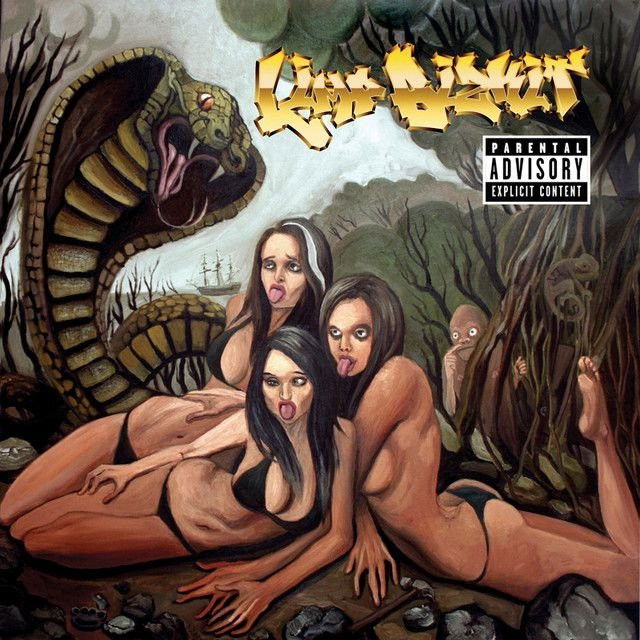
Gold Cobra by Limp Bizkit Meaning Explained
A comeback song built on swagger
The meaning of Gold Cobra Limp Bizkit starts with attitude. This is not a reflective ballad or a hidden story song. It is a loud, chest-out performance about status, defiance, and survival in a hostile scene. They present themselves as the ones still standing, still richer in confidence, and still impossible to ignore.
"Gold Cobra" - Limp Bizkit
Waking up aggravated
Stupid shit man I hate it
Loading lyrics...
Unable to load lyrics
We're unable to display the lyrics at this time. Please try again later.
Released as the title track from the band's 2011 album Gold Cobra, the song arrived after years of lineup changes, side projects, and public backlash. That matters because the lyrics read like a return statement. When Fred Durst raps and shouts about enemies, doubters, and power, the song feels less like random trash talk and more like a band reclaiming its old identity.

Watch the official Gold Cobra
music video
What the song is really saying
At its core, the track is about dominance. The speaker wakes up angry, sees the world as fake, and answers it with aggression and self-belief. Early lines pile up complaints and threats, creating a world where everyone is either lying, hating, or trying to push them. In response, they double down.
The chorus turns that feeling into a symbol: Golden cobra
. Paraphrased, the image suggests something flashy, dangerous, and rare. Gold implies victory, wealth, and prize status. A cobra implies threat and speed. Put together, the phrase becomes a mascot for a band that wants to look untouchable.
Interpretation: the song is not really about a literal snake. It uses the cobra image to express prestige mixed with danger. They are saying they have the shine and the bite.
How the verses connect to the theme
The verses are built from fragments of stress, insult, and retaliation. Phrases like Waking up aggravated
tell listeners the emotional starting point: they feel provoked before the day even begins. From there, the song races through images of money, street tension, sex, fame, and violence.
That scattered style is important. Rather than telling one clean story, they throw out snapshots of a mind in attack mode. A line like take it to the bank
turns confidence into certainty. Another like I rock here in Hollywood
ties that confidence to celebrity and survival in the entertainment world.
The repeated message is simple: critics have no control over them. They may be surrounded by chaos, but they still see themselves at the top.
The chorus as a victory chant
The hook is repetitive on purpose. By circling back again and again to Holdin' the gold
, the song turns a boast into a slogan. They are not just saying they have value; they are chanting it until it sounds like fact.
This is one reason the meaning of Gold Cobra Limp Bizkit is so tied to comeback energy. The chorus works like a banner waved in public. It reduces all the verse-level anger into one big statement: they still have the prize.
There's only one king on this hill
It sure as hell ain't you
This short passage makes the competitive spirit plain. The song is obsessed with rank. Someone has to win, someone has to lose, and they refuse to imagine themselves in second place.
Sound, production, and why it matters
Musically, the track sells its meaning through force. Wes Borland's guitar riffs are thick and jagged, with that elastic nu-metal bounce that helped define the band years earlier. John Otto's drums keep the song moving with a punchy groove, while Sam Rivers helps lock the low end into something both heavy and playful.
The production on the album release leans into contrast: hard riffs, stop-start rhythm, and Durst's half-rap, half-bark vocal delivery. That mix matters because the song's message is not subtle. The music has to feel like a threat and a party at the same time.
That balance is classic Limp Bizkit. Even when the lyrics are hostile, the groove is catchy. The beat invites movement while the words challenge opponents. The result is a track that feels like a public taunt delivered with arena-sized energy.
Artist context sharpens the meaning
Limp Bizkit built their name in the late 1990s and early 2000s by mixing rap cadence, metal riffs, and a deliberately antagonistic image. By 2011, that style was no longer at peak mainstream power. So "Gold Cobra" can also be heard as a statement of persistence.
Factually, it reunited the band's well-known classic lineup on a full studio album. Interpretation: because of that context, the song sounds like they are talking not only to personal enemies, but to an industry and audience that had moved on and now had to deal with their return.
The line about there being only one king on the hill supports that reading. It sounds like a challenge to rivals, but also a refusal to accept irrelevance.
Two useful ways to read the song
Reading one: pure braggadocio
On the simplest level, this is a fight song. They boast, threaten, and mock weaker opponents. The point is emotional release, not depth. Many rap-rock tracks work this way, and "Gold Cobra" fits that mold.
Reading two: a self-aware comeback mask
A deeper reading sees the excess as part of the fun. The insults are so big and the self-praise so constant that the song can feel exaggerated on purpose. In that view, they are performing the cartoon version of Limp Bizkit that fans expect, then using it to announce they are back.
Both readings can be true at once.
Final takeaway on its message
The meaning of Gold Cobra Limp Bizkit is built around dominance, comeback pride, and refusing humiliation. Its lyrics create a world full of enemies and doubters, then answer that pressure with gold, venom, and noise. They do not ask to be liked. They want to be recognized.
For fans, that makes the song a mission statement. For others, it may feel abrasive. Either way, it is designed to sound like a band kicking the door open and daring anyone to stop them.
Disclaimer: This interpretation mixes documented context with critical reading of the lyrics and sound. Songs can support more than one meaning, and listeners may hear "Gold Cobra" differently.







