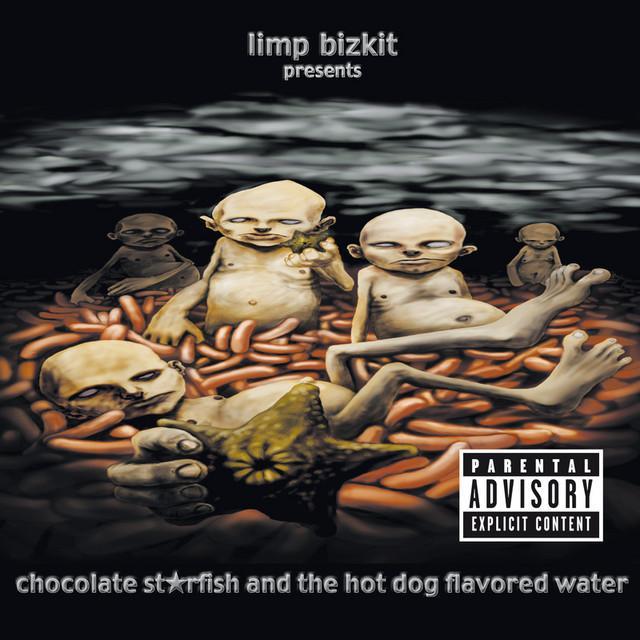
My Generation by Limp Bizkit
Loud, rude, and impossible to ignore, this song turns youth frustration into a public challenge.
"My Generation" - Limp Bizkit
Provided by LyricFindIf only we could fly
Limp Bizkit style
John Otto, take 'em to the Matthews BridgeLoading...Loading lyrics...
Unable to load lyrics
We're unable to display the lyrics at this time. Please try again later.
Why This Nu-Metal Blast Still Lands
The meaning of My Generation Limp Bizkit starts with conflict. The song is not subtle, and it does not want to be. Released from Chocolate Starfish and the Hot Dog Flavored Water in 2000, it arrived at the peak of the band’s fame and became one of their defining singles in the U.S. and abroad. It was issued on September 5, 2000, through Flip and Interscope, according to Wikipedia.
At its core, the track is about a generation that feels mocked, blamed, and misunderstood. Instead of asking politely to be heard, Limp Bizkit answers with swagger and aggression. That tone is the point: the song presents disrespect as both a shield and a symptom.

Watch the official My Generation
music video
What the Song Is Really Saying
The main message is simple. The band frames young people as treated like a problem before anyone tries to understand them. That is why the hook keeps pushing back. When the song repeats my generation
, it is not just a label. It is a line in the sand.
Interpretation: The chorus suggests a social bargain has already been broken. The song argues that if the world shows contempt first, this generation will return that energy. In other words, the indifference in the hook is defensive, not empty.
That is why one of the song’s sharpest ideas is the complaint that no one seems to care until the young become disruptive. The profanity and sneer make that point feel raw, but the emotion underneath is familiar: they want recognition, not a lecture.
A Voice That Speaks for a Crowd
Fred Durst delivers the lyrics like a frontman leading a rally. Even when the verses sound personal, the song keeps widening into a group identity. Phrases like Generation X
and generation Strange
link private frustration to a bigger cultural mood.
That matters because the song is not written as a quiet diary entry. It sounds public and performative on purpose. They are not asking listeners to pity them. They are asking listeners to feel the pressure and the backlash.
The Blame Game at the Center
One key idea comes near the end, when blame gets passed around. The song admits that everyone points fingers, and nobody escapes cleanly. That moment adds a little depth to the insult-heavy surface.
Interpretation: Beneath the bravado, the band may be saying that generational conflict is a cycle. Older people blame youth, youth blame the system, and both sides stay trapped there.
The Lyrics Mix Humor, Anger, and Pop Culture
Part of the song’s appeal is how it bounces between menace and goofiness. Limp Bizkit throws in references that make the track feel chaotic and self-aware. The line Welcome to the jungle
nods to Guns N’ Roses, and critics have also noted a connection to The Who’s “My Generation” in title and theme, as summarized by Wikipedia.
Those references do two things:
- They place Limp Bizkit inside rock history.
- They also show the band reshaping that history in a louder, more abrasive style.
The song’s imagery is messy on purpose too. Mentions of a damaged world, social decay, and a darkened window create a setting where young people feel boxed in. When Durst says life is just a little fucked up
, he turns alienation into a blunt joke. That mix of comedy and exhaustion is central to the track.
How the Sound Carries the Meaning
The music is essential to the meaning of My Generation Limp Bizkit. This is not a case where the lyrics alone do all the work. The band builds tension through sharp starts and stops, dense guitar riffs, and a rhythm section that feels spring-loaded.
Wes Borland’s guitar and John Otto’s drums are especially important. The song’s groove is tight but unstable, giving the track a jumpy, confrontational pulse. Wikipedia notes that the interplay between Borland and Otto has been compared to the kind of locked-in instrumental chemistry heard in Primus.
DJ Lethal’s scratches also matter. They add a streetwise, turn-of-the-millennium texture that keeps the song from sounding like standard hard rock. Meanwhile, Durst swings between rapped cadence, spoken hype, and a barked chorus. That shifting delivery mirrors the song’s message: half performance, half real frustration.
Why It Hit So Hard in 2000
The song worked because it matched its era. At the turn of the millennium, nu metal often translated insecurity into force. Limp Bizkit pushed that formula harder than most, and “My Generation” became one of the clearest examples.
Commercially, the track had real reach. It charted across Europe, hit No. 1 on the UK Rock & Metal chart, and reached the U.S. rock and alternative rankings, according to Wikipedia. It also remains highly placed in later retrospectives, including rankings by Louder Sound and Kerrang!, again summarized there.
That reception helps explain the song’s legacy. Even listeners who dislike Limp Bizkit often recognize what the band captured: a very specific mix of cockiness, resentment, and youthful theater.
The Best Way to Read the Song Today
A modern listener can hear “My Generation” in two ways at once. First, it is a time capsule of early-2000s nu metal excess. Second, it is a still-relatable expression of what happens when people feel stereotyped before they are heard.
Interpretation: The closing question about whether they can fly hints at escape, not just rage. Under the chest-thumping surface, the song may be dreaming of freedom from blame, boredom, and social labels.
Final Take
So, what is the meaning of My Generation Limp Bizkit? It is a defiant song about disrespect turning into identity. Limp Bizkit makes generational alienation sound loud, ugly, catchy, and oddly communal.
This article offers an interpretation based on the song’s lyrics, sound, and public context; meaning can vary from listener to listener.