Why "Nookie" Still Hits a Nerve
The meaning of Nookie Limp Bizkit becomes clearer once the shock value is pushed aside. Under the crude hook and swagger, the song is about humiliation, denial, and the kind of relationship people stay in even when they know it is hurting them.
"Nookie" - Limp Bizkit
One, one, two
I came into this world as a reject
Loading lyrics...
Unable to load lyrics
We're unable to display the lyrics at this time. Please try again later.
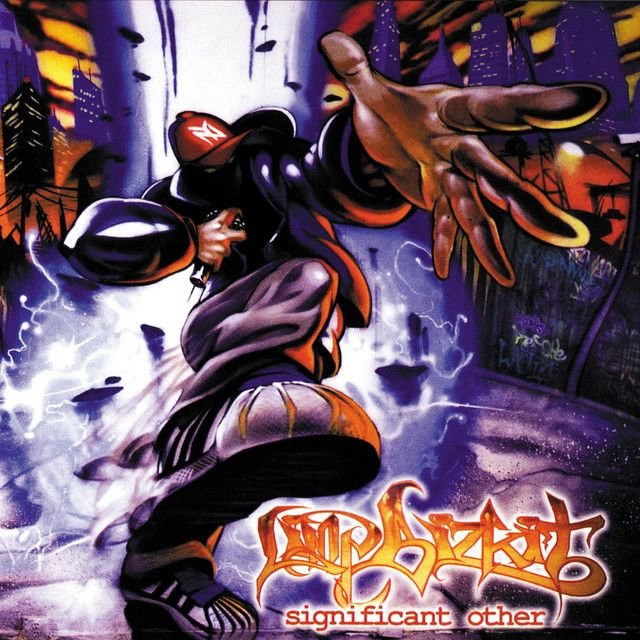
Released on June 15, 1999, as the lead single from Significant Other, “Nookie” helped turn Limp Bizkit into one of the biggest bands of the late nu-metal era. It was produced by Terry Date with the band, and it reached No. 3 on Billboard’s Alternative chart and No. 6 on Mainstream Rock. It also helped push Significant Other toward multi-platinum success. Those facts matter because the song’s messy emotional core was delivered in a sound built for mass release, not private reflection.
A crude hook hiding a simple confession
At the center of the song is a blunt admission: the narrator stayed in a toxic relationship for physical reasons. Fred Durst explained that it was about an ex who treated him badly, used him for money, and slept with his friends, and that he finally realized he stayed because of desire. That makes the chorus less like bragging and more like self-exposure.
When the song repeats I did it all for the nookie
, it sounds loud and almost comic. But the line works as a confession of weak judgment. Instead of painting himself as powerful, the narrator admits he ignored disrespect and betrayal.

Watch the official Nookie
music video
The verses paint a portrait of public embarrassment
The opening verses show someone stuck in replay mode. He cannot stop thinking about the betrayal, and his anger is mixed with self-loathing. Short phrases like like a chump
and laughing stock
matter because they show how the wound is social as well as romantic.
This is not only heartbreak. It is embarrassment. In the song’s world, being cheated on is bad, but being made to look foolish in front of other people feels even worse.
That is why the narrator swings between blame and self-blame. He calls out what happened, but he also keeps returning to the fact that he let it happen. The line about a heart in a blender is cartoonish, yet it captures the emotional chaos well. Limp Bizkit often used exaggerated language, and here that exaggeration fits the panic of someone who feels used and stupid at the same time.
Where the self-awareness kicks in
One reason “Nookie” lasts as more than a joke song is that it contains flashes of self-awareness. The narrator does not present himself as noble. He wonders whether he should forgive, whether he should move on, and why it took him so long to understand the situation.
That confusion gives the song its shape:
- They remember the betrayal.
- They admit they stayed too long.
- They confess why they stayed.
- They turn shame into anger.
That cycle is familiar to many listeners, even if the language is exaggerated. People often explain bad relationships only after they are over. “Nookie” turns that delayed realization into a chant.
The sound makes the humiliation feel huge
Musically, the track sells the emotion by refusing subtlety. Wes Borland’s guitar riff is thick and repetitive, which mirrors obsessive thinking. Sam Rivers’ bass and John Otto’s drums give the song a bounce that comes from hip-hop as much as metal, while the vocal rhythm pushes the verses like an argument that keeps restarting.
The result is classic late-90s rap-rock tension: part groove, part outburst. That matters for the meaning of Nookie Limp Bizkit because the production makes private shame feel public and performative. This is not a quiet breakup ballad. It is a meltdown shouted in a crowd.
Even the call-and-response feel of come on
turns regret into spectacle. The song invites listeners to yell along with a story that is actually about poor choices and emotional dependence.
Context from the band sharpens the meaning
There is useful context around the title and lyrics. Wes Borland later said the title started as a working name after seeing the word on a magazine cover, and he did not expect it to become the actual title. That backstory helps explain why the song feels half serious and half juvenile.
Still, the emotional subject was real. Durst framed it as autobiographical, and that keeps the song from being just a provocation stunt. The contrast is important: the packaging is immature, but the emotion underneath is recognizable.
That tension also shaped reception. Some critics dismissed the lyrics as childish, while others admitted the song was more effective than its reputation suggests. Yet audiences connected with it in a big way, and MTV played the video heavily during 1999. The song’s success suggests that listeners heard something honest beneath the crude phrasing.
An alternate reading: anger as self-defense
Interpretation: Another way to hear “Nookie” is as a song about masculine pride collapsing in public. The obsession is not only with the ex, but with the damage done to the narrator’s image. Phrases like leave me alone
and always be the same
point to someone withdrawing instead of healing.
Under that reading, the chorus becomes a defense mechanism. By reducing the relationship to sex, the narrator avoids dealing with deeper attachment. It is easier to say it was only about one thing than to admit how badly he was emotionally hooked.
Why the song still connects
“Nookie” survives because it captures an ugly truth in a very loud form. People do stay in bad situations for reasons they later find hard to defend. They ignore red flags, excuse pain, and then feel foolish when the pattern becomes obvious.
Limp Bizkit turned that realization into a hit that was messy, rude, catchy, and strangely revealing. That is the real meaning of Nookie Limp Bizkit: not rebellion for its own sake, but a humiliating moment of self-recognition blasted through nu-metal volume.
I'm only human
Just leave me alone
Those lines briefly drop the bravado. For a moment, the song stops sounding like revenge and starts sounding like someone who knows they made a bad trade and cannot stand hearing advice about it.
Disclaimer: This interpretation combines documented artist comments with critical reading of the lyrics and sound. Meaning in music can stay open to different listeners.