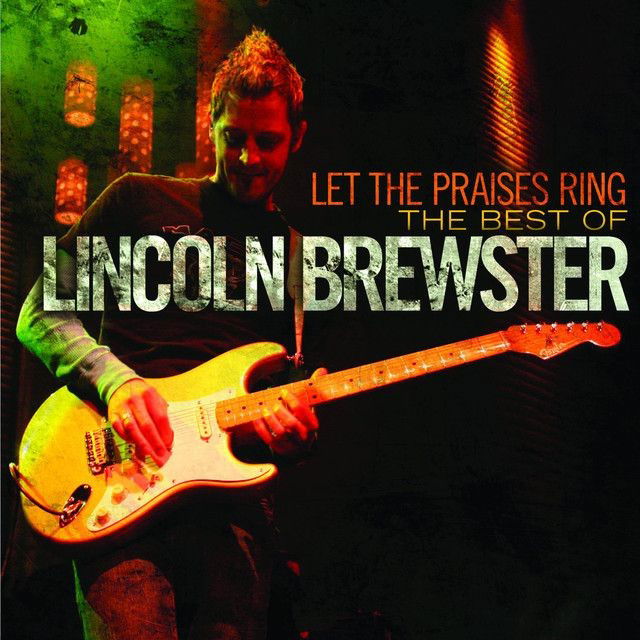
Everlasting God by Lincoln Brewster
Why This Worship Anthem Still Lands
The meaning of Everlasting God Lincoln Brewster comes down to a simple but powerful idea: human strength runs out, but God’s strength does not. That is why the song has lasted in churches across the United States. It gives weary people a language for trust, but it does so with energy rather than defeat.
"Everlasting God" - Lincoln Brewster
Wait upon the Lord, we will wait upon the Lord
Strength will rise as we wait upon the Lord
Loading lyrics...
Unable to load lyrics
We're unable to display the lyrics at this time. Please try again later.
Lincoln Brewster’s version helped popularize the song in modern worship settings, even though it was written by Brenton Brown and Ken Riley. The song is closely tied to Isaiah 40:28–31, a passage about God’s endless power and care for tired people. That biblical base matters because the lyrics are not trying to invent a feeling from scratch; they are reshaping scripture into a congregational anthem.

Watch the official Everlasting God
music video
The Core Message: Strength Through Trust
At the heart of the song is a paradox: people become stronger by stopping their frantic self-reliance. The repeated phrase wait upon the Lord
does not suggest passivity. In the song’s world, waiting means trusting, staying rooted, and refusing panic.
That is why the opening claim matters so much: strength will rise
. The song does not deny exhaustion. Instead, it says renewed strength comes after dependence, not before it. This turns the song into both a confession and a promise.
Interpretation: The emotional force of the lyric comes from its order. First comes waiting, then rising. That sequence teaches listeners that faith is not instant escape; it is endurance that leads to renewal.
Isaiah 40 in Pop-Worship Form
The clearest key to the song is Isaiah 40. The language about God never tiring, helping the weak, and lifting people on wings like eagles
comes straight from that chapter’s imagery. The original biblical message speaks to people who feel worn down and small, reminding them that God sees beyond their limits.
Brewster’s recording translates that message into a singable structure. Instead of long teaching, it offers short repeated lines. That repetition is not accidental. In worship music, repetition helps a truth move from the head to the heart.
You do not faint
You won't grow weary
Those two brief lines summarize the contrast driving the whole song: humans get tired, but God does not. The chorus works because it places divine steadiness next to human weakness without shame.
What the Chorus Really Emphasizes
When the chorus names God as the everlasting God
, it is defining God by duration and reliability. “Everlasting” is not just about time. It also signals consistency. God is not moody, distracted, or depleted.
The next images make that title practical. The song says God is a protector, comforter, and lifter of the weak. In other words, divine greatness is not distant. It moves toward need.
This is one reason the song connects so well in worship services. It balances majesty with care. God reigns forever, but that same God also notices tired people and meets them where they are.
How Lincoln Brewster’s Sound Shapes the Meaning
Part of the meaning of Everlasting God Lincoln Brewster comes from sound, not just words. Brewster is known for guitar-driven contemporary worship, and his version gives the song momentum instead of a hushed, private mood. That choice matters.
The steady rhythm and bright build make the song feel like motion after heaviness. The arrangement suggests that hope is active. Even when the lyrics speak about waiting, the music keeps moving forward.
This is a smart match between message and production. A slower, darker arrangement could have made the song feel only reflective. Brewster’s approach lets it feel communal and victorious, which helps explain why it worked so well for live church singing.
Artist and Songwriting Context
For factual context, the song was written by Brenton Brown and Ken Riley, while Lincoln Brewster’s recording became one of the best-known versions in modern worship circles. Brewster’s broader career has long centered on accessible worship songs and guitar-led arrangements, which made him a natural fit for material like this.
Because the writing is simple and scripture-based, the song travels easily across denominations. It does not depend on a complicated story line. Instead, it offers a shared statement of faith that many congregations can enter quickly.
A Few Strong Symbols in the Lyric
Several images carry the whole song:
- Waiting: trust instead of panic
- Rising strength: renewal after weakness
- Everlasting: God’s unchanging nature
- Eagles’ wings: lifted vision and endurance
- Defender of the weak: power used for mercy
Interpretation: The eagle image is especially important because it suggests more than escape. Eagles soar above turbulence. So the song’s hope is not that hardship disappears, but that people are carried through it with new perspective.
Why the Song Still Resonates
The song remains popular because it speaks to a universal experience: fatigue. Many worship songs celebrate joy; this one begins closer to depletion. That makes its hope feel earned.
It also avoids complexity without becoming shallow. The message is clear enough for a congregation to sing together, yet deep enough to sustain personal devotion. Listeners who feel anxious, burned out, or spiritually dry can hear in it a reminder that weakness is not the end of the story.
Final Take on Its Meaning
In the end, the meaning of Everlasting God Lincoln Brewster is about receiving strength from a God who never runs out of it. The song turns Isaiah 40 into a worship chorus built for tired hearts. Its message is that waiting on God is not empty delay; it is the place where hope is rebuilt.
That is why the song still works years later. It gives people a way to admit they are weak while also singing that they will not stay there.
Disclaimer: This interpretation is based on the song’s lyrics, biblical references, and known worship context. As with any song, listeners may connect with it in personal ways beyond this reading.







