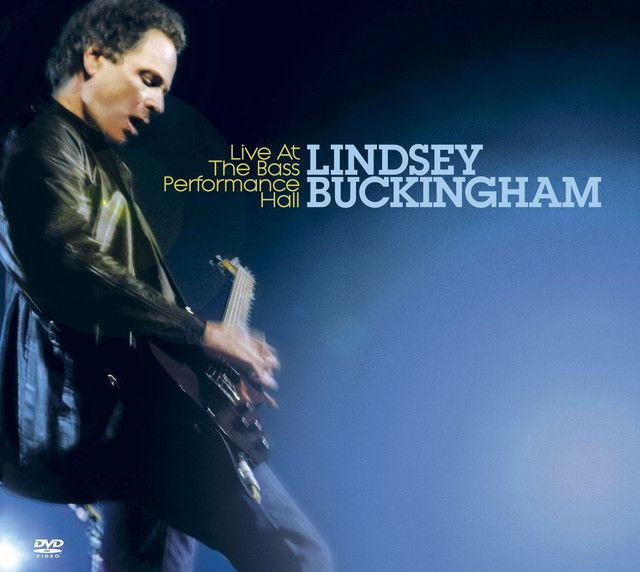
Trouble by Lindsey Buckingham
The meaning of Trouble Lindsey Buckingham comes down to one sharp emotional conflict: a person knows they should leave, but they do not want to. The song turns that small moment into a full romantic drama. It is gentle, catchy, and even comforting on the surface, yet underneath it is about losing control in the presence of someone they still deeply want.
"Trouble" - Lindsey Buckingham
Two, ah-three, ah-four!
Two, ah-three, ah-four!
Loading lyrics...
Unable to load lyrics
We're unable to display the lyrics at this time. Please try again later.
Released in October 1981 as the debut solo single from Law and Order, Trouble
became a major hit, reaching No. 9 on the US Billboard Hot 100 and topping charts in Australia and South Africa, according to the available chart history summarized by the song’s reference data. That success matters because it shows how well Buckingham translated a private feeling into a widely relatable pop song.
A Love Song Built on Bad Timing
At the center of the lyric is hesitation. The narrator says they should be leaving and ending the night, but the emotional pull is stronger than their better judgment. Early lines like saying goodnight
and shouldn't stay anymore
frame the situation clearly: they know the sensible choice.
Then the song flips. Instead of leaving, the narrator admits they have missed this person so much that they barely remember what love is even for. That idea makes the song more vulnerable than dramatic. This is not a story about a huge betrayal or breakup. It is about the weakness that appears when loneliness meets desire.
Interpretation: the “trouble” is not outside danger. It is inner surrender. The narrator sees their own heart becoming unreliable.

Watch the official Trouble
music video
Why the Chorus Feels So Strong
The hook works because it is plain and repeated. When Buckingham sings I'm in trouble
, the phrase is simple enough to sound playful, but also serious enough to suggest panic. That double meaning gives the song its tension.
The line about running on the double
adds urgency. They know they should escape fast, yet the next emotional move is the opposite: they ask for closeness. The song’s logic is almost circular. Reason says leave. Feeling says stay. The chorus becomes the sound of that argument happening in real time.
So come to me darlin'
and hold me
That brief plea matters because it shows the narrator has already lost the debate. They are not resisting anymore. They are asking to be pulled in.
The Meaning of Memory, Warmth, and Touch
The song uses very few images, but each one counts. Holding, warmth, night, and distance all point to emotional hunger. When the narrator asks for comfort and mentions warmth, the song makes romance feel physical and immediate, not abstract.
The repeated thought that it has been a long time since they held this person suggests either reunion or unresolved attachment. In either case, absence has made desire stronger. The song is less about a stable relationship than about the moment contact returns and old feelings rush back.
Interpretation: this can be heard as a song about relapse into love. The narrator may already know this connection is risky, but memory makes it feel necessary.
How Buckingham’s Sound Deepens the Emotion
A big reason the meaning of Trouble Lindsey Buckingham lands so well is the production. According to the research provided on the song’s background, Buckingham co-produced the track with Richard Dashut and built it with meticulous studio detail, including half-speed guitar recording, a gut-string guitar layer, and a looped section from Mick Fleetwood’s drums, later dressed with overdubbed fills and cymbals.
Those choices matter artistically. The track feels soft and polished, but also slightly unnatural in a fascinating way. The drum loop creates steadiness, while the chiming guitars and delicate vocal float over it. That contrast mirrors the lyric: beneath the tenderness is a nervous system working overtime.
Critics heard that tension too. Contemporary and retrospective commentary described the song as romantic, wistful, and precise, with a breathy vocal that could even feel a little paranoid. That combination fits the lyric perfectly. The narrator sounds soothed and unsettled at once.
Where the Song Fits in Buckingham’s Career
Buckingham later explained that Trouble
helped show a different side of his writing. In the research context, he said he wanted to prove he could write lighter, melodic songs because Fleetwood Mac often called on him more for the rock side. That makes this single more than a catchy side project.
It becomes a statement of range. Law and Order had stranger, more eccentric moments, but Buckingham recognized that this song was a standout. Its mainstream appeal did not erase his style; it distilled it. The layered craft, melodic sweetness, and emotional ambiguity are all signatures of his work.
A Final Read on What “Trouble” Really Means
In the end, this song is about the instant when desire outruns judgment. The narrator begins by trying to be sensible and ends by asking for closeness. That is the whole emotional arc.
For many listeners, that is why the song lasts. It captures a very common feeling: knowing someone may complicate life, but wanting them anyway. The music makes that conflict feel elegant instead of messy, which is part of its charm.
Interpretation disclaimer: This reading is based on the released lyric, documented recording context, and Buckingham’s comments about the song’s style and purpose. Like most pop songs, Trouble
remains open to more than one personal interpretation.









