Why "Crawling" Still Hits So Hard
The meaning of Crawling Linkin Park comes down to one core idea: a person feels trapped by something inside themselves and cannot easily tell pain from reality. That is why the song still lands so hard more than two decades later. It sounds huge, but its message is painfully intimate.
"Crawling" - Linkin Park
These wounds, they will not heal
Fear is how I fall
Loading lyrics...
Unable to load lyrics
We're unable to display the lyrics at this time. Please try again later.
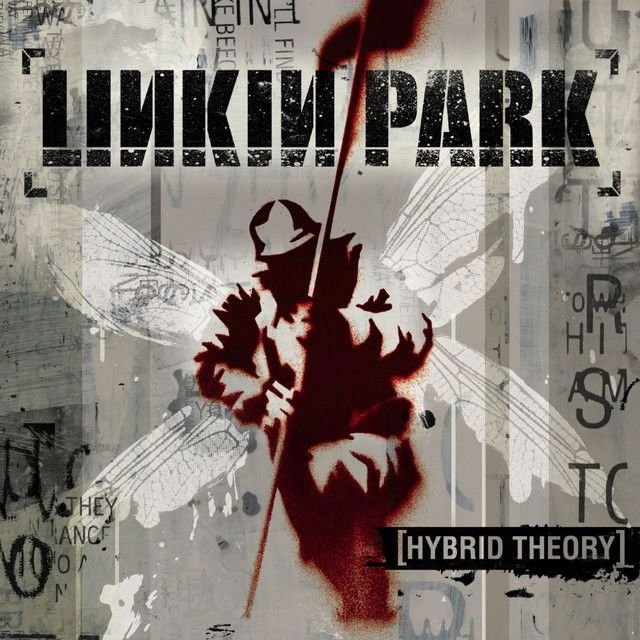
Released as the second single from Hybrid Theory in 2001, Crawling
became one of Linkin Park’s defining songs and later won the 2002 Grammy for Best Hard Rock Performance. It was written by Chester Bennington, Mike Shinoda, Brad Delson, Joe Hahn, and Rob Bourdon, and produced by Don Gilmore. Factual details like its release and credits are widely documented in major references such as Wikipedia and Songfacts.
The Heart of the Song Is Inner War
At its center, the song describes a mind at war with itself. The opening image, crawling in my skin
, turns anxiety and self-disgust into a physical feeling. Instead of naming a single event, the lyric makes distress feel constant, invasive, and impossible to ignore.
Bennington later explained that the song came from his struggles with drugs and alcohol and the sense that he had no control over himself. That matters because it grounds the song in lived experience, not vague angst. Even so, the writing stays broad enough that listeners also connect it to panic, trauma, depression, or dissociation.
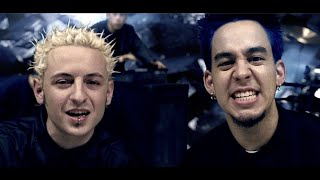
Watch the official Crawling
music video
A Speaker Who Blames Himself
One reason the song feels so raw is that the voice never points outward. It does not accuse an enemy or a former partner. It keeps turning inward.
That is clear in phrases like lack of self control
and find myself again
. The speaker sounds ashamed, scared, and split off from who they used to be. Rather than saying the world ruined them, they suggest that something inside them is dragging them down.
Interpretation: Addiction, Trauma, or Both
The most direct reading is addiction. Bennington said the song reflected his own loss of control, and the recurring idea of hidden damage supports that reading. The line about wounds that will not heal suggests pain that keeps reopening.
But there is another layer. The song also sounds like trauma. The confusion, insecurity, and unstable sense of self fit the emotional aftershocks of abuse or long-term fear. That wider meaning helps explain why so many listeners see themselves in it.
Why the Chorus Became So Iconic
The chorus is simple, but that is its power. It condenses the whole song into a few unforgettable ideas: pain that will not close, fear that causes collapse, and reality that feels blurred.
These wounds, they will not heal
Fear is how I fall
Confusing what is real
Those lines do not describe a neat recovery story. They describe a loop. The speaker gets hurt, loses balance, and doubts their own perception. That cycle is why the hook feels less like a complaint and more like a confession.
A small but famous detail adds to the song’s history: Mike Shinoda has said the line Fear is how I fall
came from producer Don Gilmore mishearing an earlier phrase. It stayed because it was stronger. That accidental wording gave the chorus one of its sharpest emotional turns.
The Verses Feel Like a Mind Closing In
The verses build pressure in a different way. The song mentions being pulled under the surface and standing beside one’s own reflection as if the self has split in two. That image is important. It suggests alienation not just from others, but from one’s own identity.
Then there is the line about my walls are closing in
. That phrase captures panic in plain language. The space around the speaker seems to shrink, which mirrors the feeling of anxiety attacks and emotional suffocation.
Sound Design That Mirrors Panic
The production is a big part of the meaning of Crawling Linkin Park. The track sits in Linkin Park’s early mix of nu metal, rap rock, and electronic programming, but this song uses those tools less for aggression than for pressure.
The guitars are heavy, yet controlled. The beat feels mechanical. Synth textures hover around the vocal like static in the brain. Then Bennington’s voice moves from restraint to near-breakdown, making the song feel like it is tightening from the inside.
That vocal is central to the song’s legacy. Even among Linkin Park’s many intense performances, this one stands out because they do not just hear volume; they hear strain. The performance sounds like someone trying to hold themselves together while knowing they may fail.
The Video Adds a Visual Reading
The music video pushes the song toward a trauma reading. It centers on a young woman who appears bruised and emotionally shut down while crystal-like forms grow around her. Those effects can be read as a shell of pain, shame, or self-protection.
By the end, that shell begins to recede. So while the lyrics feel stuck in a cycle, the video hints at release. It does not erase suffering, but it suggests that isolation is not permanent.
Why the Song Endures
Part of the song’s staying power is its honesty. Part is its flexibility. The factual origin points to addiction and self-destruction, yet the language is open enough to include anxiety, abuse, and fractured identity.
That is why the song still reaches so many people in the United States and beyond. They may not share the same story, but they recognize the feeling: being overwhelmed by something internal and not knowing how to escape it.
The Last Word on Its Meaning
The meaning of Crawling Linkin Park is not just that pain hurts. It is that pain can distort self-perception until a person no longer trusts their own mind. In that sense, the song is about losing control, but also about naming that loss out loud.
That interpretation fits Bennington’s own comments and the song’s imagery, sound, and delivery. Still, like many great songs, Crawling
leaves room for personal meaning.
Disclaimer: This interpretation combines documented artist comments with close reading of the lyrics, music, and video. Some meanings remain interpretive rather than confirmed fact.