Why “Given Up” Feels Like a Breakdown
The meaning of Given Up Linkin Park comes through fast: this is a song about hitting a wall. It sounds like someone waking up already defeated, then spending the rest of the song trying to breathe through panic, shame, and rage.
"Given Up" - Linkin Park
Another day's been laid to waste
In my disgrace
Loading lyrics...
Unable to load lyrics
We're unable to display the lyrics at this time. Please try again later.
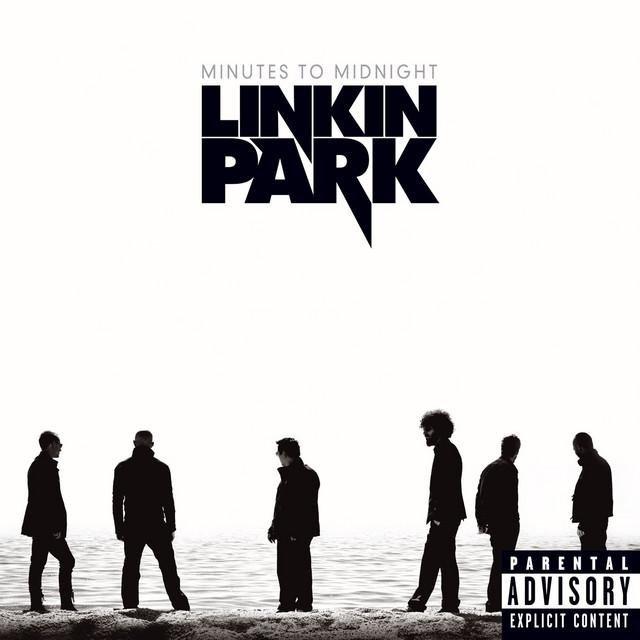
Released on Minutes to Midnight in 2007, the track showed how Linkin Park were changing. The band moved away from the tight rap-rock formula of their early hits and into a harsher, more open alternative-rock sound. Songfacts notes that the album was produced by Rick Rubin and that the song became famous for Chester Bennington’s extended bridge scream, a moment the band later built the arrangement around.
The Core Meaning Hiding in Plain Sight
At its heart, “Given Up” is about inner collapse. The speaker is not blaming the world first. They are trapped with themselves, calling themselves my own worst enemy
. That phrase matters because it turns the song inward.
Instead of telling a story about one outside event, the lyrics describe a repeating cycle. They wake up anxious, feel stuck, and cannot escape their own head. When the chorus lands on I’ve given up
, it does not sound calm or final. It sounds like a cry from someone who is exhausted from fighting.
Interpretation: Many listeners hear the song as a portrait of depression, panic, or burnout. That reading fits the language of suffocation, isolation, and self-hatred. But background on the song points even more directly to addiction and withdrawal.
Watch the official Given Up
music video
Chester Bennington’s Context Changes the Reading
One reason the song hits so hard is that it was tied to real pain. According to Songfacts, Chester Bennington wrote “Given Up” about his alcoholism after rehab. That context helps explain why the lyrics feel physical, not just emotional.
The song does not describe sadness in abstract terms. It describes sweating, fear, hyperventilating, and the feeling that there is no escape
. Those details make the breakdown feel lived-in. This is not vague misery. It feels like a body and mind both turning against the speaker.
Songfacts also reports that the working title was “21 Stitches,” tied to an incident from Bennington’s life. That detail suggests the song came from a chaotic period when self-destruction had real consequences. It also explains why the words sound less polished than desperate.
How the Verses Build a Spiral
The verses move in a clear pattern:
- They wake already distressed.
- They feel stuck inside their head.
- They look for help.
- They find no relief.
- They turn the anger back on themselves.
That structure is simple, but it is effective. The first verse introduces shame and mental imprisonment. The second adds confusion and panic, especially with I hyperventilate
, which turns emotional pain into a physical emergency.
Then the chorus asks, in blunt language, what is wrong with them. That line is ugly on purpose. It captures the way a person in crisis can stop asking for healing and start asking for a diagnosis, punishment, or escape.
The Chorus Is a Plea, Not Just a Slogan
A weaker band might have turned this hook into a generic anger chant. Linkin Park make it sound like a plea. The repeated idea of being unable to keep feeling this way gives the chorus its emotional center.
Put me out of my miseryPut me out of my misery
Those lines are simple, but their repetition matters. They reduce the speaker’s world to one need: relief. In context, the line is not theatrical. It sounds like someone whose pain has become so constant that they can only think in short, desperate bursts.
Interpretation: Some listeners may take the song as a broad statement on alienation. Others may hear it more narrowly as the voice of addiction talking. Both readings work because the song keeps the source of pain open while making the suffering vivid.
Why the Sound Makes the Message Stronger
The production is a huge part of the song’s meaning. Minutes to Midnight marked a sonic shift for Linkin Park, and “Given Up” uses that change well. The guitars hit with punk-like force, the drums drive hard, and the arrangement leaves room for Bennington’s voice to feel exposed and dangerous.
Songfacts recounts Mike Shinoda saying the famous bridge scream came from a tracking session where Bennington kept extending the take, and the band then shaped the song around it. That story matters because the scream is not decoration. It is the emotional peak, the point where language fails and raw sound takes over.
Brad Delson also said on Songfacts that the song grew out of parts from another failed idea, then became something darker and stranger. That origin matches the final product. “Given Up” feels torn together from frustration, which is exactly why it works.
Why It Still Connects With Listeners
The meaning of Given Up Linkin Park lasts because it does not hide from ugly feelings. It captures the moment when a person knows they need help but cannot imagine what help would even sound like.
For some, it speaks to addiction. For others, it reflects panic attacks, self-hatred, or emotional numbness. Linkin Park leave enough room for all those readings, while the real-life context gives the song extra weight.
In the end, “Given Up” is not just about quitting. It is about the terrifying moment before recovery, when a person is still trapped inside the storm and can only scream from the center of it.
Disclaimer: This interpretation combines lyrical analysis with publicly reported background. As with any song, meaning can vary from listener to listener.









