Leave Out All The Rest by Linkin Park
A Farewell Song That Sounds Like a Prayer
The meaning of Leave Out All The Rest Linkin Park centers on memory, regret, and the hope of being forgiven. The song imagines a person looking back on their life and asking others not to define them by their failures alone.
"Leave Out All The Rest" - Linkin Park
You were so scared
But no one would listen
Loading lyrics...
Unable to load lyrics
We're unable to display the lyrics at this time. Please try again later.
That idea gives the track its emotional force. It is not only about death in a literal sense. It is also about legacy: what remains after mistakes, pain, and conflict have passed. The speaker wants to be remembered with honesty, but also with mercy.
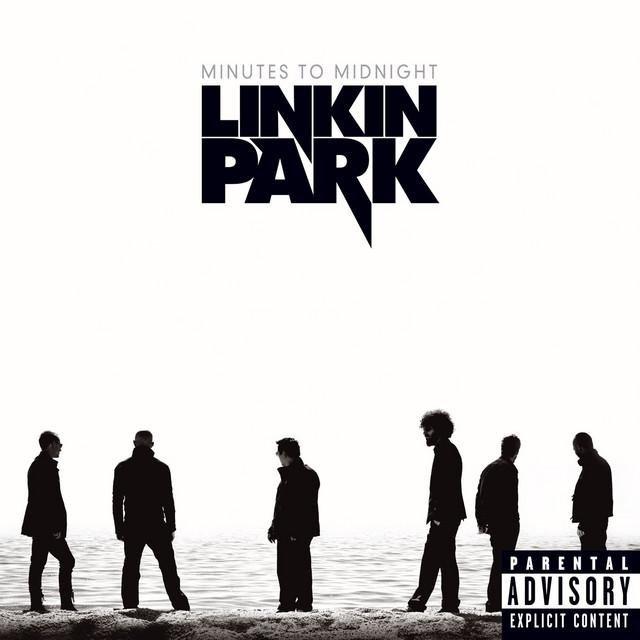
Released on Minutes to Midnight, the song came from a period when Linkin Park were widening their sound beyond rap-rock and nu metal into more melodic, reflective territory. The album was produced by Rick Rubin and Mike Shinoda, a fact noted in the band's album credits. That context matters, because this song depends on restraint instead of aggression.

Watch the official Leave Out All The Rest
music video
The Core Message Beneath the Chorus
At the center of the song is a direct request: when the speaker is gone, they want people to leave out all the rest
. In plain terms, they are asking loved ones to set aside the worst parts of the story.
That does not mean they deny wrongdoing. In fact, the chorus openly admits it with forget the wrong that I've done
. The song works because confession comes before the request for grace. They know they have caused hurt, and they are not pretending otherwise.
Interpretation: This makes the song feel less like self-pity and more like accountability mixed with fear. The speaker is scared that their mistakes will become their whole identity.
Fear, Shame, and the Need to Be Heard
The opening verse begins with a dream of absence and panic. The image of being missing, while others are afraid and unable to reach them, creates emotional distance right away. The line What am I leaving
turns that fear into a larger question about impact and legacy.
This is one of Linkin Park's most human themes. Many of their songs deal with inner pain, but here the focus is not just private suffering. It is the effect of that suffering on relationships. The speaker wonders what they have given people besides stress, disappointment, or unresolved hurt.
Later, the lyric I'm strong on the surface
reveals the split between appearance and reality. The speaker may seem tough, stable, or in control, but inside they are damaged. That contrast is a classic Linkin Park idea, especially in Chester Bennington's vocal performances, where vulnerability and force often sit side by side.
How the Song Moves From Confession to Connection
One reason the track resonates is its structure. The verses are personal and uneasy, while the chorus opens outward toward the people left behind. That shift turns private guilt into a public plea.
A key moment arrives in the bridge:
Forgetting
all the hurt inside
Pretending
someone else can save me
These lines suggest a cycle of buried pain and false hope. The speaker sees the problem clearly: hiding hurt does not heal it, and outside rescue cannot replace inner change. That realization deepens the chorus, because now the request for forgiveness sounds like it comes from someone who understands their own flaws.
Interpretation: The line about not being able to be like someone else suggests failed comparison. They may admire another person's strength or stability, but know they cannot simply copy it.
Why the Sound Makes the Lyrics Hit Harder
The production plays a huge role in meaning. Instead of heavy guitars driving the emotion, the song uses a clean, slow-building arrangement. Piano, steady drums, and layered guitars create a spacious backdrop that feels reflective rather than explosive.
That matters because the song is about reckoning, not rage. Bennington's lead vocal is controlled and aching, which gives the apology credibility. He sounds as if he is trying to stay composed while saying something deeply difficult.
As the song grows louder, it never becomes chaotic. The band holds the tension in place. That musical choice mirrors the lyric: this is someone facing painful truths directly, not running from them.
Music critics often noted Minutes to Midnight as a turning point for the band, with a more mature and varied style in coverage from outlets like Rolling Stone. In that setting, this track stands out as one of the clearest examples of emotional simplicity used well.
Artist Context and Why Listeners Read So Much Into It
Factually, the song was written by the full band: Rob Bourdon, Brad Delson, Mike Shinoda, Dave Farrell, Joe Hahn, and Chester Bennington. That shared writing credit fits the song's broad emotional reach. It feels personal, but not locked to one narrow storyline.
Over time, many listeners have heard it as a song about death, depression, apology, or even a final message. Some of those readings grew stronger after Bennington's death in 2017. Still, it is important not to collapse the song into one biographical explanation. It was released years earlier, and its language is open enough to apply to many struggles.
Interpretation: The strongest reading is that the song speaks to anyone who fears they will be remembered for their worst moments. That includes broken relationships, addiction, emotional withdrawal, or simply the guilt of not being the person others needed.
Why the Song Still Connects
The lasting appeal of the meaning of Leave Out All The Rest Linkin Park comes from its balance of sadness and tenderness. It does not ask for perfection. It asks for compassion.
That is why the chorus stays with listeners. Everyone wants to believe their failures are not the full story. Linkin Park turn that wish into a song that is humble, haunted, and strangely comforting.
Disclaimer: This interpretation is based on the lyrics, recorded performance, and publicly available context. Like many Linkin Park songs, it remains open to more than one valid reading.








