How "Papercut" Turns Anxiety Into Sound
The meaning of Papercut Linkin Park starts with a simple but disturbing idea: they are not fighting a visible enemy. They are fighting a voice in the mind that never lets up. On the surface, "Papercut" sounds like a song about being watched. Underneath, it is really about paranoia, self-doubt, and the exhausting feeling that their own thoughts have turned against them.
"Papercut" - Linkin Park
Something in here's not right today
Why am I so uptight today?
Loading lyrics...
Unable to load lyrics
We're unable to display the lyrics at this time. Please try again later.
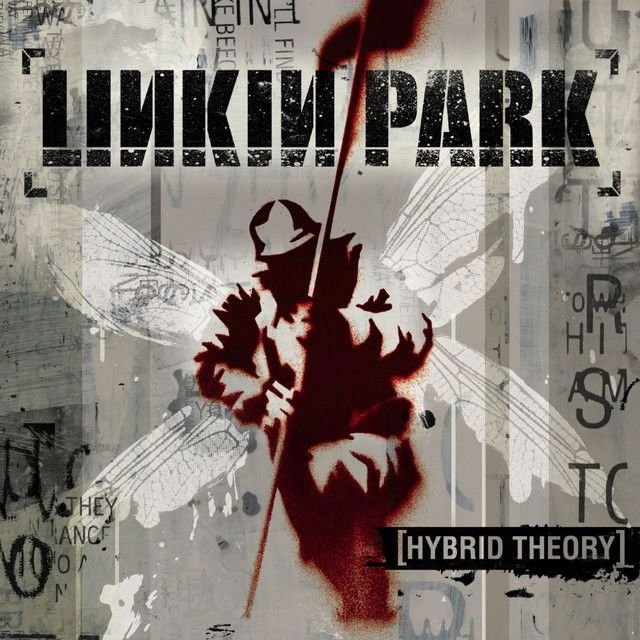
As the opening track on Hybrid Theory, it introduced listeners to Linkin Park's core mix of rap, rock, electronics, and emotional confession. Released as the third single in 2001, the song also helped define the band's early identity, with producer Don Gilmore shaping its tight, punchy attack.
The Hidden Enemy Beneath the Skin
The song begins in confusion. The narrator feels wrong before they can even name the cause. That matters, because anxiety often arrives before explanation. When the lyric points to Paranoia's all I got left
, it frames the speaker as someone already worn down by stress.
Soon, the song gives that stress a shape. The mind becomes a second face, one that wakes up, watches, and mocks failure. In plain terms, the song turns negative self-talk into a character. That is why lines about a face under the surface feel so vivid: the threat is intimate, not far away.
Interpretation: the "face" can be read as conscience, anxiety, depression, or the part of the self trained by shame and pressure. The song does not lock itself into one diagnosis. It stays broad enough to match many listeners' inner struggles.

Watch the official Papercut
music video
From Private Panic to Shared Experience
One of the smartest moves in "Papercut" is that it does not stay trapped inside one person's head. After showing personal distress, the lyric turns outward and suggests everyone has this inner judge. The phrase points out all my mistakes
captures that cruel, repetitive voice.
Then the song widens the lens again. It suggests other people carry their own hidden fear too, even if they act confident. That shift keeps the song from feeling purely confessional. It becomes social. The pressure is not just internal; it also comes from comparison, expectation, and the sense of never measuring up.
That idea lands especially hard when the song implies the narrator cannot "add up" to others. They are not only afraid; they feel evaluated. In that way, the meaning of Papercut Linkin Park connects inner panic to outside standards.
Why the Chorus Hits So Hard
The chorus works because it sounds like a loop the speaker cannot escape. Short, repeated images pile up: lookin' over my back
, whirlwind inside of my head
, and right beneath my skin
. Each one makes the anxiety feel physical.
Rather than telling a story with a beginning and end, the chorus traps the listener in sensation. They are hyper-alert, mentally spinning, and unable to shut off what they hear inside. That repeated structure mirrors anxious thinking itself, where the same fear keeps returning.
The sun goes down
I feel the light betray me
This brief moment deepens the mood. Even light, which should mean safety or clarity, feels untrustworthy. Interpretation: this may suggest that the speaker no longer trusts their own perception. Day and night, comfort and threat, inner and outer reality all begin to blur.
The Sound Design of a Panic Spiral
Mike Shinoda once said in discussing "Papercut" that it contained so much of the band's identity in one track. That is easy to hear. The song opens with a bouncing beat influenced by hip-hop, then slams into a sharp nu-metal riff, while electronic details and vocal effects make the track feel unstable.
This matters for meaning. The rhythm has forward motion, but the guitars and scratched textures create friction. Shinoda's controlled rap delivery sounds analytical, like someone trying to explain what is happening. Chester Bennington's sung lines, by contrast, feel like the emotional break in the wall. Together, they sound like two states of mind: one naming the fear, the other living inside it.
The production also avoids comfort. The mix is compressed and urgent. Glitchy touches, layered vocals, and sudden dynamic shifts make the song feel crowded, which suits a lyric about not escaping one's own head.
Video Imagery and the Song's Legacy
The music video pushes the same ideas into visual form. The band plays in a room while a darker space nearby twists and morphs, with insect imagery and walls that seem alive. Those effects echo the song's sense that ordinary reality is being invaded by something hidden.
Even though Mike Shinoda later joked that parts of the video had not aged well, the concept still fits the track. A house, usually a safe place, becomes uncanny. That mirrors the song's key idea: the danger is already inside.
"Papercut" has lasted because it captures a feeling many people know but struggle to describe. It is not only fear. It is fear mixed with shame, vigilance, and the sense that the mind keeps scratching at itself. Like its title, the wound may seem small at first. But repeated enough, it stings constantly.
Final Take on the Song's Core Meaning
The best way to understand the meaning of Papercut Linkin Park is to hear it as a portrait of mental pressure becoming a voice, a face, and finally a full-body sensation. It is about paranoia, but also about self-surveillance and the damage done by relentless inner criticism.
That is why the song still connects more than two decades later. It gives shape to invisible distress without pretending to solve it.
Disclaimer: This interpretation is based on the song's lyrics, production, artist commentary, and public context. As with most songs, different listeners may hear valid meanings in it.