Why 'Pushing Me Away' Still Hurts
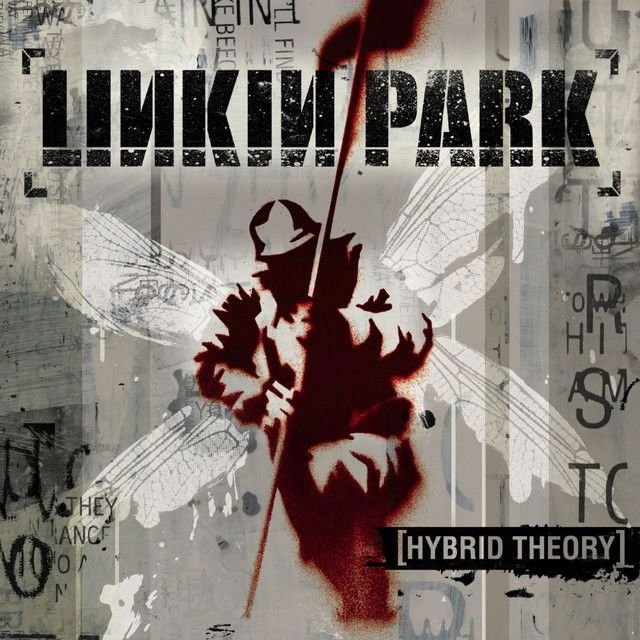
The meaning of Pushing Me Away Linkin Park comes down to a painful realization: staying in a damaged relationship can become its own kind of self-betrayal. As the closing track on Hybrid Theory, the song ends the album not with rage, but with exhausted clarity. They present a speaker who knows the bond is unhealthy, knows dishonesty has shaped it, and finally understands that love alone cannot hold it together.
"Pushing Me Away" - Linkin Park
The same way that I always do
This is the last smile
Loading lyrics...
Unable to load lyrics
We're unable to display the lyrics at this time. Please try again later.
That makes the song one of Linkin Park's quieter emotional peaks. Instead of attacking the other person, they focus on what it costs to keep pretending.
The Heart of the Song Lies in Emotional Exhaustion
At its core, the song is about someone who has been lying, hiding hurt, and accepting blame just to keep a relationship alive. Early lines admit guilt and performance, including the short phrase the last smile
. The idea is not simple anger. It is the moment when they can no longer fake being okay.
The verses show two pressures at once:
- they have deceived the other person and themselves
- they have also bent too far to meet the other person's demands
That tension matters. The song does not paint one side as fully innocent. Instead, it shows a cycle where shame, pressure, and testing each other slowly destroy trust. When the lyric mentions Everything falls apart
, it widens the message beyond one couple. Even people who seem strong eventually crack under constant emotional strain.
Watch the official Pushing Me Away
music video
A Relationship That Runs on Blame
One of the sharpest ideas in the song is that the relationship survives by denial. The speaker says they tried to do what the other person wanted and kept taking blame to remain close. In plain terms, they are describing a bond where peace only comes from self-erasure.
That is why the chorus lands so hard. The repeated thought Why I never walked away
is less a question for the other person than a confession to themselves. They know they stayed too long. Then the title phrase pushes me away
turns the emotional logic upside down: the more they try to hold things together, the more the relationship itself rejects them.
What the Chorus Adds
Interpretation: The chorus is about delayed recognition. They are only now seeing that the other person's behavior is not a challenge to overcome but a pattern that keeps creating distance. The phrase testing me
suggests manipulation, constant pressure, or impossible standards.
So the pain of the chorus is double: they feel hurt by the other person, but also embarrassed by how long they accepted it.
How the Lines Build a Story of Collapse
The song unfolds in a clear emotional timeline:
- They admit dishonesty and emotional masking.
- They describe trying to please the other person.
- They realize the situation is breaking both people down.
- They accept that time has run out.
- They finally name the relationship as something that drives them away.
The middle section pushes this ending into focus with a brief image of time running out:
We're all out of time
this is how we find
how it all unwinds
This is not a dramatic plot twist. It is a slow unraveling. The key word is "unwinds," which suggests damage that has been building for a long time.
Why the Sound Feels Sadder Than the Words Alone
Part of what makes the meaning of Pushing Me Away Linkin Park so effective is the arrangement. Songfacts notes that Mike Shinoda said the band wanted another melodic song after "Crawling," and that they imagined this track partly as a Depeche Mode-influenced rock song. That helps explain the mix of clean keyboard lines, soft electronic texture, and restrained guitar harmonics.
Instead of sounding explosive, the track sounds controlled and tired. Chester Bennington's vocal does not just express anger; it carries regret. The music leaves space around his voice, which makes the words feel lonely rather than triumphant.
This choice matters on Hybrid Theory. Much of that album runs on impact, tension, and release. By contrast, "Pushing Me Away" closes the record in reflection. It is the sound of aftermath.
Context From Linkin Park's Early Era
The song appeared on Linkin Park's 2000 debut, Hybrid Theory, which became the best-selling album in the United States in 2001. That success gave songs like this a huge audience, especially among listeners who connected with themes of alienation, pressure, and emotional burnout.
Facts tied to the song also add nuance. Songfacts reports that Shinoda later told Kerrang! he disliked the line about played myself this way
because it felt slightly unnatural for Bennington's voice. That is a useful reminder that even on a deeply felt song, Linkin Park were still shaping how hip-hop phrasing and rock confession would fit together.
Listeners have also kept the song alive through live and remixed versions, especially the Reanimation-era remake "P5hng Me A*wy." Those alternate versions highlight how durable the song's core idea is: emotional damage sounds different in each arrangement, but the wound stays the same.
Two Strong Readings of the Song
Interpretation 1: It is a breakup song about romantic love turning into pain. This reading fits the guilt, blame, and final separation.
Interpretation 2: It can also describe a collapsing friendship or family bond. The lyrics stay broad enough that any close relationship built on pressure and dishonesty fits.
That flexibility is part of why the song lasts. They wrote specifics that feel universal.
Why It Still Connects
"Pushing Me Away" captures a hard truth: some relationships do not end in one dramatic moment. They wear people down until clarity finally arrives. Linkin Park turn that realization into a song about guilt, resentment, and the cost of staying too long.
For many listeners, that is the real meaning. It is not only about being hurt by someone else. It is about recognizing the role they played in accepting the hurt.
Disclaimer: This interpretation is based on the lyrics, recorded performance, and publicly available context. As with many songs, listeners may hear different meanings in it.