Why 'My Own Worst Enemy' Still Hits Hard
The meaning of My Own Worst Enemy Lit comes down to one sharp idea: sometimes the person causing the most damage is the one in the mirror. Lit turned that idea into a fast, funny, painfully relatable rock song. On the surface, it sounds like a wild-night story. Underneath, it is about regret, embarrassment, and the awful clarity that comes the morning after.
"My Own Worst Enemy" - Lit
I didn't mean to call you that
I can't remember what was said or what you threw at me
Loading lyrics...
Unable to load lyrics
We're unable to display the lyrics at this time. Please try again later.
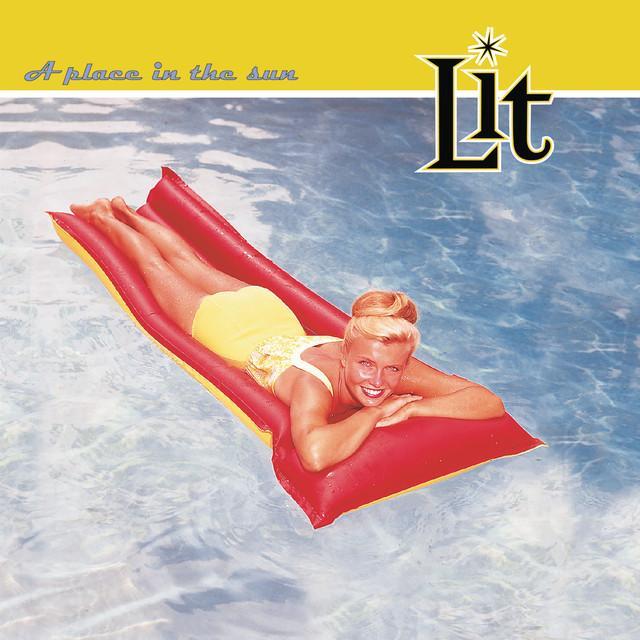
Released on A Place in the Sun, the track became Lit's biggest hit and a defining late-1990s rock single.[^1][^2] Written by Alan Popoff, Kevin Baldes, Jeremy Popoff, and Allen Shellenberger, it captures a kind of messy honesty that felt perfect for the pop-punk and alternative boom of the era.[^2]
The Real Heart of the Song
At its center, the song follows someone waking up after a blackout-like night and trying to piece together what happened. They know they said something cruel while drunk, and they know their partner has left. The plot is simple, but the feeling is bigger than the scene itself.
When the narrator asks for answers and then admits I am my own worst enemy
, the song stops being just a comedy about a bad night. It becomes a confession. They are not saying life is unfair. They are saying they keep creating their own disasters.
Interpretation: This is why the song has lasted. Many listeners hear more than a drunken apology. They hear the pattern of self-sabotage: acting impulsively, hurting someone, and only understanding the cost afterward.
Watch the official My Own Worst Enemy
music video
A Morning-After Story Told in Snapshots
One reason the song works so well is that it does not overexplain. Instead, it gives a chain of images. The car is somehow in the front yard
. They are sleeping with my clothes on
. They supposedly came in through the window
. A smoke alarm keeps sounding while a cigarette is still burning.
These details do two jobs at once:
- They make the song funny and visual.
- They show a life briefly out of control.
The images feel almost cartoonish, but the emotional result is real. Someone is gone. Something important may have been damaged. The narrator cannot fully remember the cause, but they can see the evidence everywhere.
Why the Chorus Lands So Hard
The chorus is the song's emotional center because it shifts from confusion to recognition. The verses ask what happened. The hook answers the deeper question: this keeps happening because the narrator keeps doing it.
That is why the line every now and then
matters. It suggests repetition. This is not a one-time mistake in a vacuum. It sounds like a cycle of bad choices followed by remorse.
Can we forget
when I was drunk?
That brief plea gives the whole song its human side. Under the jokes and wreckage, there is shame. They want forgiveness, but they also know an apology may not erase what was said.
The Song's Biggest Theme: Self-Sabotage
The clearest theme is self-sabotage, but it branches into a few related ideas:
Regret after impulsive behavior
The narrator knows they crossed a line. Even without detailed backstory, the song makes clear that words spoken in anger or intoxication can leave real damage.
Memory loss and moral clarity
They cannot remember every event, yet they understand the emotional truth. That contrast is important. The facts are blurry, but the guilt is not.
Humor as a shield
The track is full of absurd details, and that humor makes the confession easier to hear. Instead of becoming heavy or self-pitying, it stays brisk and sharp. The comedy does not erase the pain; it helps carry it.
How Lit's Sound Strengthens the Meaning
Musically, the song is almost the opposite of a sad ballad. It moves with bright guitars, a tight rhythm section, and a punchy chorus built for radio. That upbeat attack is a huge part of its meaning.
If these lyrics were sung slowly, the song might feel bleak. Lit instead gives them speed and bounce. The result sounds like someone laughing at their own mess because the alternative would be sitting still with the guilt.
That balance fit the band's moment well. Late-1990s alternative and pop-punk often mixed sarcasm, hooks, and emotional immaturity into something both fun and revealing.[^1][^3] Lit tapped into that blend almost perfectly here.
Artist Context Matters
Lit formed in California and found mainstream success with A Place in the Sun.[^1] "My Own Worst Enemy" broke through because it sounded immediate and relatable, not because it was mysterious. They took a common but uncomfortable experience—waking up and realizing they were the problem—and made it singable.
The band never needed grand symbolism to make the point. Everyday wreckage does the work. A misplaced car, a burning cigarette, and a vanished partner tell listeners enough.
A Few Valid Ways to Read It
Interpretation: The most direct reading is that the song is about one drunken fight and its aftermath.
Interpretation: A broader reading is that it describes a personality pattern. The wild night is only one example of how the narrator keeps undermining their own happiness.
Both readings fit because the song is specific in image but broad in emotion. That is why so many listeners still connect with it.
Why It Endures
The lasting power of the meaning of My Own Worst Enemy Lit lies in its honesty. It does not glamorize chaos, but it does make chaos recognizable. People remember the hook because it names a hard truth in plain language: sometimes the biggest obstacle is not an enemy outside, but unchecked habits inside.
That is a simple message, but Lit delivered it with speed, wit, and a chorus built to last.
Disclaimer: This article offers interpretation based on the song's lyrics, musical style, and public context. Meaning can vary from listener to listener.
[^1]: AllMusic biography of Lit [^2]: Discogs entry for A Place in the Sun [^3]: Billboard artist page for Lit








