
Run to the Water by Live
Why This Song Still Pulls People In
The meaning of Run to the Water Live starts with a simple image and opens into something much bigger. On the surface, the song sounds like a plea to escape danger and meet in a safer place. Under that, it feels like a spiritual song about healing, unity, and waking up inside a broken world.
"Run to the Water" - Live
Oh woman of the earth
Maker of children who weep for love
Loading lyrics...
Unable to load lyrics
We're unable to display the lyrics at this time. Please try again later.
Live released the track on The Distance to Here in 1999, and it later became a 2000 single. Factually, it performed well on rock radio, reaching No. 14 on US Alternative Airplay and No. 17 on Mainstream Rock, while the album peaked at No. 4 in the US and sold over a million copies, according to Songfacts and Wikipedia. Those details matter because they show the song connected beyond Live’s core audience.
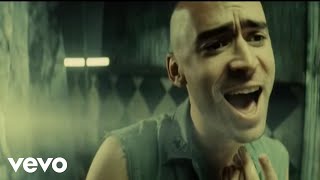
Watch the official Run to the Water
music video
The Central Idea Beneath the Chorus
The chorus gives the song its emotional center. When the narrator says Run to the water
, they are not just giving directions. They are offering an answer to confusion, fear, and spiritual exhaustion.
Interpretation: water stands for cleansing, peace, and a return to what is real. Ed Kowalczyk supported that reading when he said the song is about running to “oneness” and being cleansed in it. He also described water as a metaphor for spirit and for the feeling of deep meditation. That makes the chorus less about location and more about transformation.
A World of Chaos, Seen Through Sacred Images
One reason the song feels so rich is its mix of everyday life and myth. The lyrics place Adam and Eve close to home and say Babylon is every town
. In plain terms, the song suggests that ancient human struggles are still happening now. Temptation, division, fear, and alienation are not locked in scripture or history; they show up on modern streets.
The line about love being a stranger pushes that theme further. The world in this song is crowded, noisy, and spiritually off-balance. People have lost touch with each other and with themselves.
This is why the chorus matters so much. It is not escapism in a weak sense. It is a move toward clarity.
A Song About Breaking Without Staying Broken
The strongest emotional phrase in the chorus may be burnt to the core
paired with not broken
. Paraphrased, the speaker admits deep damage but refuses total defeat. That tension powers the whole song.
The verses describe mental, moral, and social collapse. People lose their minds, fall from grace, and face fear head-on. But the song never settles into despair. It keeps insisting that suffering can become the doorway to awakening.
And I will never leave you
this world was just a dream
we are awake
That brief passage captures the promise at the heart of the song. The speaker offers loyalty until both people can see through illusion and reach a truer state of awareness.
Sound and Production: How Live Turn Meaning Into Motion
Musically, the song helps explain itself. Live were an alternative rock band, but they often aimed for something larger and more devotional than standard radio rock. Here, the arrangement starts with restraint and then opens into a wide, urgent chorus.
That dynamic arc mirrors the lyrics. The verses feel tense and searching. The chorus feels like release. Ed Kowalczyk’s vocal delivery is key: he sounds wounded, but he also sounds convinced. The result is not a private confession. It feels like a call outward.
Production also matters. The track was produced by Jerry Harrison and Live, with Tom Lord-Alge mixing, according to Wikipedia. That team gives the song a polished, expansive sound without sanding away its spiritual intensity. The guitars glow more than they attack, and the drums lift the chorus instead of turning it into a blunt hard-rock stomp.
The Video Extends the Song’s Meaning
The music video sharpens the song’s themes. Directed by Martin Weisz, it places Kowalczyk in a worn-out bathroom while riots and police conflict unfold outside. Rain briefly cools the tension, but the scene turns apocalyptic when water shifts into fire.
Interpretation: the video turns the song’s inner struggle into a public one. Personal healing and social unrest become linked. Kowalczyk described the visual idea as having an end-of-the-world mood, which fits the lyrics’ mix of streets, fear, and transcendence.
That imagery also explains the startling phrase nuclear fire of love
. The song imagines love not as something soft or passive, but as a force powerful enough to cut through madness.
The Best Way to Read the Ending
By the end, the song reaches for peace after turmoil. It imagines a place beyond tribulation, where souls have moved through pain in love. The closing mood is strangely gentle after all the earlier damage.
Interpretation: the ending suggests enlightenment, not escape. The song does not deny suffering. It tries to place suffering inside a larger vision where fear loses its control.
What Run to the Water Ultimately Means
The meaning of Run to the Water Live is about moving toward healing when the world feels fractured. Through water imagery, Biblical references, and a rising rock arrangement, Live turn spiritual longing into a song that feels both intimate and communal.
They present a world full of madness, but they do not leave it there. Their answer is connection, courage, and awakening. That is why the song still resonates: it offers comfort without pretending life is easy.
Disclaimer: This interpretation is based on the lyrics, recorded performance, and public comments from the artist. Like many spiritually charged songs, it can support more than one valid reading.







