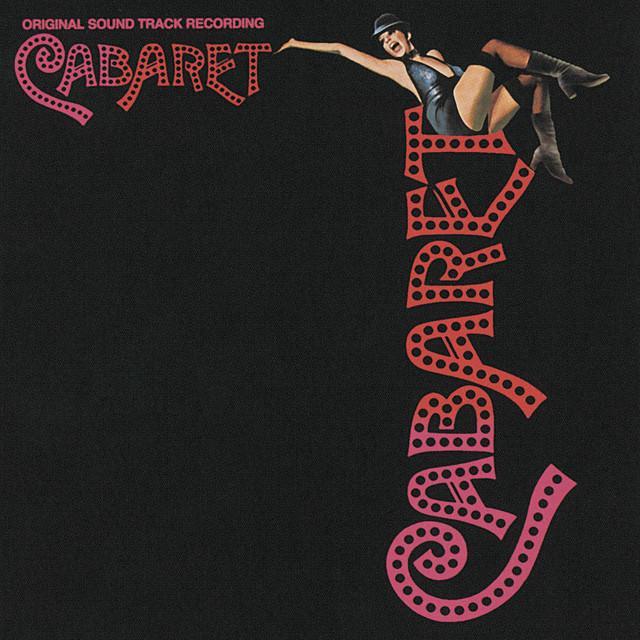
Cabaret by Liza Minnelli
The meaning of Cabaret Liza Minnelli starts with a simple invitation: stop hiding, step into the room, and live. But this song is not just about fun. In the 1972 film Cabaret, Minnelli sings it as Sally Bowles, and the performance carries glamour, fear, and denial at the same time. What sounds like a toast to pleasure slowly reveals a character trying to outrun reality.
"Cabaret" - Liza Minnelli
Come hear the music play
Life is a cabaret, old chum
Loading lyrics...
Unable to load lyrics
We're unable to display the lyrics at this time. Please try again later.
A Show Tune With a Sharp Edge
Factually, Cabaret
was written by John Kander and Fred Ebb for the 1966 musical Cabaret, where it is sung by Sally Bowles in Weimar Berlin [Source: Wikipedia, "Cabaret (Cabaret song)", https://en.wikipedia.org/wiki/Cabaret_(Cabaret_song)]. In the story, Sally performs it after resisting a safer life and choosing Berlin over escape.
That context changes everything. The song’s famous line, Life is a cabaret
, sounds bold and freeing. Yet in the musical and film, it also works like a defense mechanism. Sally is not only celebrating life; they are trying to make life’s danger look manageable through style, wit, and noise.

Watch the official Cabaret
music video
What the Song Is Really Saying
At its core, the song argues that life is short, uncertain, and meant to be experienced. The opening invitation pushes away isolation and routine. Phrases like Come hear the music play
and come to the cabaret
frame the cabaret as more than a nightclub. It becomes a symbol for movement, pleasure, and refusal to sit still while life passes by.
Interpretation: the song is not simply hedonistic. It suggests that joy can be a response to mortality. Sally seems to believe that if life is brief, then intensity matters more than safety. That idea is thrilling, but also troubling, because it can excuse self-destruction.
The Elsie Story Changes the Meaning
The darkest turn comes in the verse about Elsie. Sally recalls a woman from Chelsea whose life was hard, chaotic, and judged by others. Instead of treating Elsie as a warning, Sally turns her into an example of living fully. That is the song’s emotional shock.
When I go
I’m going like Elsie
This is the key to the meaning of Cabaret Liza Minnelli. Sally sees death not as something to avoid through caution, but as proof that life should be vivid before it ends. The problem, of course, is that this philosophy blurs courage and denial.
Interpretation: Elsie may represent freedom from shame, but she also represents the cost of reckless living. Sally only accepts the first half of that lesson.
Who Is Speaking, and to Whom?
The speaker addresses a listener directly, almost like an emcee or a close friend. The repeated old chum
creates warmth, but it can also feel performative, as if Sally is selling a mood to others and to themselves.
There are two audiences inside the song:
- the people in the club
- Sally’s own frightened inner self
That double audience is why the number feels layered. They are inviting others to celebrate, but also trying to drown out doubt.
How Liza Minnelli’s Performance Deepens It
Minnelli’s 1972 film version is widely seen as a signature interpretation, and AllMusic has called her performance of the title song one of the film’s definitive moments [Source: Wikipedia summary citing AllMusic, https://en.wikipedia.org/wiki/Cabaret_(Cabaret_song)]. That reputation comes from how she balances brass, charm, and strain.
The arrangement has the bounce of a stage standard: bright band energy, a strong pulse, and rising theatrical emphasis. But Minnelli’s delivery keeps tightening around the edges. They sound commanding, then exposed. The smile in the song never fully hides the panic under it.
This matters because production and meaning work together. A polished cabaret sound sells pleasure. The vocal interpretation hints that pleasure may be temporary, even desperate.
The Bigger Theme: Escape in a Dangerous World
In the story world, Sally sings in Berlin in 1931, as political danger grows around her [Source: Wikipedia, https://en.wikipedia.org/wiki/Cabaret_(Cabaret_song)]. That historical setting makes the song more than a personal credo. It becomes a portrait of people partying at the edge of catastrophe.
Interpretation: the cabaret stands for any place where entertainment helps people ignore what they do not want to face. The song’s brightness is not false exactly, but incomplete. That is why it remains powerful. It understands that pleasure can be real even when it is also an escape.
Why the Song Still Connects
Listeners still return to this song because it captures a timeless tension:
- enjoy the moment
- admit life is fragile
- avoid turning joy into denial
That balance is what makes the meaning of Cabaret Liza Minnelli so rich. It is an anthem, but not a simple one. It celebrates living while quietly exposing the fear that drives the celebration.
Final Take on Its Meaning
Liza Minnelli’s I love a cabaret
lands as both triumph and warning. The song says life should be lived out loud, yet it also shows how easy it is to hide inside performance. That contradiction is the point.
Their version endures because it sounds alive, damaged, glamorous, and human all at once.
Disclaimer: This interpretation combines widely accepted story context with critical reading of the lyrics and performance. As with any song, listeners may hear different meanings.








