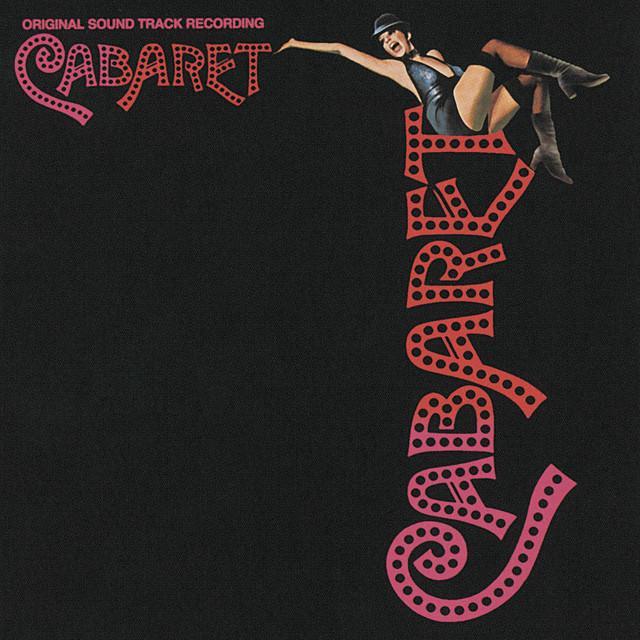
Maybe This Time by Liza Minnelli
The meaning of Maybe This Time Liza Minnelli comes down to one painful idea: hope can feel strongest when someone has almost run out of it. The song is not simply about romance. It is about a person trying to convince themself that this love will be the one that finally stays.
"Maybe This Time" - Liza Minnelli
Maybe this time, he'll stay
Maybe this time, for the first time
Loading lyrics...
Unable to load lyrics
We're unable to display the lyrics at this time. Please try again later.
Written by John Kander and Fred Ebb and later made famous by Minnelli in the 1972 film Cabaret, the song gained lasting cultural power because it captures longing in a plain, piercing way. According to available song history, it was first recorded by Kaye Ballard in 1964 and was later interpolated into the film version of Cabaret, where it became one of Minnelli's signature performances (Wikipedia.)
A Love Song Built on Old Defeats
What makes this ballad hit so hard is that its optimism is bruised. The speaker says Maybe this time
, but that phrase only matters because other times went badly. They are not entering love with innocence. They are entering it with a history of disappointment.
The next emotional turn is even sharper. When the singer imagines that he'll stay
, they reveal that staying itself is the dream. This is not about fireworks or fantasy. It is about stability, being chosen, and not being abandoned again.
That is why the song feels bigger than a standard love ballad. It frames romance as a test of self-worth. If love lasts, the speaker may finally stop seeing themself as someone who always loses.

Watch the official Maybe This Time
music video
Why the Chorus Feels So Exposed
The chorus carries the song's central wound. The repeated wish to I'll win
turns love into a contest, which is both moving and troubling. Interpretation: the speaker may believe that being loved would prove they are valuable.
That idea becomes clearer in the line about how everybody loves a winner
. In paraphrase, the singer feels invisible or unwanted because they have not succeeded in love before. The pain is social as well as romantic. They do not just want one person. They want the dignity that comes with finally being the one who is chosen.
This is part of why the song sounds so theatrical. It is deeply personal, but it also feels like a performance of private need made public.
Sally Bowles and the Song's Deeper Context
In Cabaret, the song is closely tied to Sally Bowles, played by Minnelli. The film uses it almost like an inner monologue, letting the audience see a private vulnerability beneath Sally's bright exterior. Commentary cited in coverage of the song has described it as revealing the "real person" under the character's glittering persona (Wikipedia.)
That context matters for the meaning of Maybe This Time Liza Minnelli because Sally is a character built on charm, improvisation, and emotional risk. The song briefly drops the mask. Instead of nightlife confidence, the audience hears fear, need, and a desperate wish for permanence.
A useful critical phrase linked to the song is "desperate hope," highlighted in discussion of how it should be performed (Wikipedia.) That is exactly the balance Minnelli captures: not bright optimism, but optimism standing at the edge of despair.
How the Lyrics Map the Emotional Story
The song unfolds in a clear sequence:
- The speaker dares to imagine a different ending.
- They remember past losses and what those losses did to their confidence.
- They connect romantic success with personal worth.
- They push themselves toward belief again.
One of the most revealing phrases is home at last
. In paraphrase, love is imagined as shelter rather than excitement. The speaker does not just want passion; they want rest.
Another important image is the wish to become Lady Happy
. That phrase suggests they see happiness almost like a role or title they have not yet earned. Interpretation: this may show how far they feel from peace, as if joy belongs to another version of themself.
Like the last time
And the time before
Those brief lines matter because they quietly reveal a pattern. The pain is not one breakup. It is repetition. That repetition explains why the hope sounds both brave and fragile.
How the Music Carries the Message
Musically, the song works as a soaring pop-theater ballad. It builds with controlled intensity, giving the singer space to begin in near-confession and rise into a full emotional release. Critics have often described the piece as "wistful," "heartbreaking," and hopeful, which fits the way its melody climbs while the lyric stays uncertain (Wikipedia.)
Minnelli's performance is essential to the song's meaning. They sing with force, but not with easy triumph. The vocal style suggests someone trying to sing their way into belief. That tension between strength and vulnerability is the whole point.
The arrangement also helps. Its swelling shape gives the impression that confidence is growing, yet the lyric never fully relaxes. The music reaches upward even as the words keep looking back.
The Lasting Meaning of Maybe This Time Liza Minnelli
So what is the final meaning here? The song is about a person who wants love, but even more than that, wants release from the story they have been telling about themself. If this relationship lasts, maybe they are not doomed. Maybe they are not the one who always gets left.
That is why the song endures. It understands that hope is not always cheerful. Sometimes hope is a last defense against despair.
Disclaimer: This interpretation is based on the song's lyrics, performance, and documented context. As with any work of art, listeners may hear different meanings in it.








