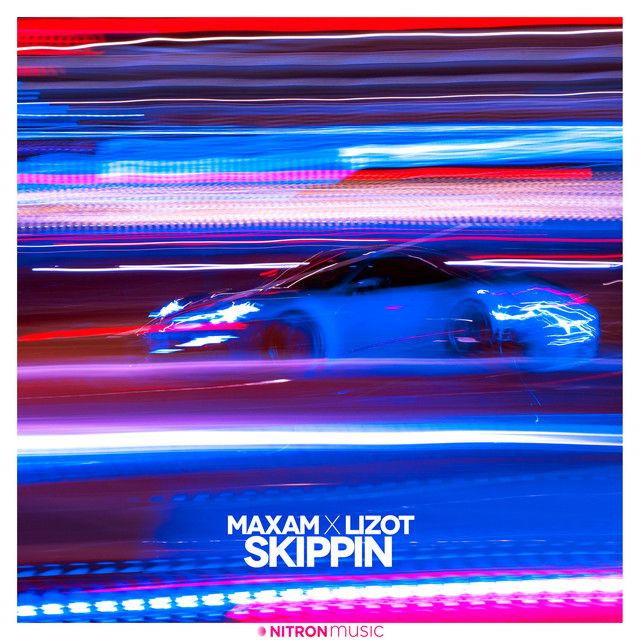
Why 'Skippin' Turns Heartbreak Into Motion
The meaning of Skippin MAXAM, LIZOT comes through fast: this is a song about refusing to stay trapped in a bad romantic cycle. Its lyrics are simple and repetitive, but that simplicity is the point. Instead of telling a long breakup story, the track turns one decision into a dance mantra: keep moving, leave the damage behind, and do not look back.
"Skippin" - MAXAM, LIZOT
Lookin' for somebody, tonight I'm ridin' solo
Skippin' all the heartaches, skippin' all the no-go's
Loading lyrics...
Unable to load lyrics
We're unable to display the lyrics at this time. Please try again later.
MAXAM and LIZOT build that feeling with a club-ready structure. The words describe emotional escape, while the production makes that escape feel exciting rather than heavy. In other words, the song is not just about heartbreak. It is about what happens right after, when someone chooses relief over regret.
The Core Message Hides in the Hook
The clearest idea appears in the repeated chorus. The speaker says they are skippin' all the heartaches
and avoiding all the no-go's
. Paraphrased, they are done with pain and done with warning signs they once ignored.
That repeated language matters because it sounds less like a confession and more like self-coaching. The song keeps circling back to the same promise, as if the speaker needs to hear it again and again until it becomes real. Interpretation: this repetition suggests recovery is not one grand moment. It is a choice they keep making in real time.
The line tonight I'm ridin' solo
adds another layer. They are alone, but the song does not frame that as loneliness. It sounds like control. For one night, at least, being alone is safer and better than going back to something harmful.
Watch the official Skippin
music video
A Breakup Song With a Forward Gear
The verse fills in just enough backstory to show what they are escaping. Short phrases like clean break, goodbye
and toxic romance
point to a relationship that wore them down. The lyrics do not dwell on details, blame, or drama.
That choice keeps the focus on action. They are not asking why the relationship failed. They are already driving away from it. The phrase livin' in the moment
makes that clear. Instead of replaying old fights, they choose immediacy, movement, and the small freedom of the present tense.
Highway, long nights
Clean break, goodbye
We've been off to toxic romance
This brief cluster works like a snapshot rather than a full scene. There is a road, a nighttime setting, and the sense of a final exit. The song leaves empty space on purpose, so listeners can place their own breakup, situationship, or emotional burnout into it.
Why the Road Imagery Matters
The highway image is one of the song's strongest symbols. Roads in pop music often suggest change, escape, or reinvention. Here, highway, long nights
creates a feeling of motion without destination. They do not need to know exactly where they are going yet. It is enough that they are no longer stuck.
That makes the song emotionally realistic. Many post-breakup tracks focus on closure, but real life often starts with distance, not clarity. Interpretation: in “Skippin,” driving alone at night may represent the first stage of healing, when someone has left the bad situation but is still figuring out what comes next.
The phrase about skipping “no-go's” also deepens this reading. It suggests they now recognize red flags and hard limits. This is not only escape from one person. It may also be the start of better judgment.
How the Production Sells the Meaning
Even without a detailed public breakdown of the studio process, the song's style is clear from the recording itself: bright electronic textures, a strong beat, and a hook designed for replay. That sound matters to the meaning of Skippin MAXAM, LIZOT because it transforms emotional defense into momentum.
A slower arrangement could have made the same lyric feel wounded. Here, the dance-pop/EDM energy makes it feel decisive. The beat pushes forward in the same way the narrator does. The production does not invite them to sit with the pain too long.
That contrast is one reason the track works. The lyrics mention heartache and toxicity, but the sound feels clean and open. It is as if the production represents the fresh air that comes after leaving a bad room.
Artist Context and Writing Choices
According to the provided credits, the song was written by Alina Paulsen, Christopher James Brenner, Kraans de Lutin, and Max Kleinschmidt. That team-written approach fits the track's efficiency. Every line is designed to be immediate, chantable, and emotionally legible.
LIZOT are known for polished, high-energy electronic pop aimed at wide dance audiences, and “Skippin” fits that lane. MAXAM's presence helps position the song as sleek and current rather than confessional in a singer-songwriter sense. The result is a breakup song built for movement.
One Song, Two Plausible Readings
There are at least two strong ways to hear this track:
- Post-breakup freedom anthem: They have ended something unhealthy and are reclaiming their space.
- Temporary emotional escape: They may not be fully healed yet, but they are choosing one night of distance and relief.
Both readings fit the lyric. That is part of the song's appeal. It is emotionally specific enough to feel true, yet broad enough to travel.
The Final Take on "Skippin"
The meaning of Skippin MAXAM, LIZOT is less about heartbreak itself than about the first rush of release after it. The song captures the moment when someone stops negotiating with pain and starts choosing themselves instead.
Its simple lyrics, road-night imagery, and upbeat electronic production all point to the same idea: healing can begin as motion. Sometimes moving on does not sound reflective. Sometimes it sounds like a hook, a pulse, and one clear word: goodbye.
Disclaimer: This interpretation is based on the released lyrics and musical presentation, and other listeners may hear the song differently.








