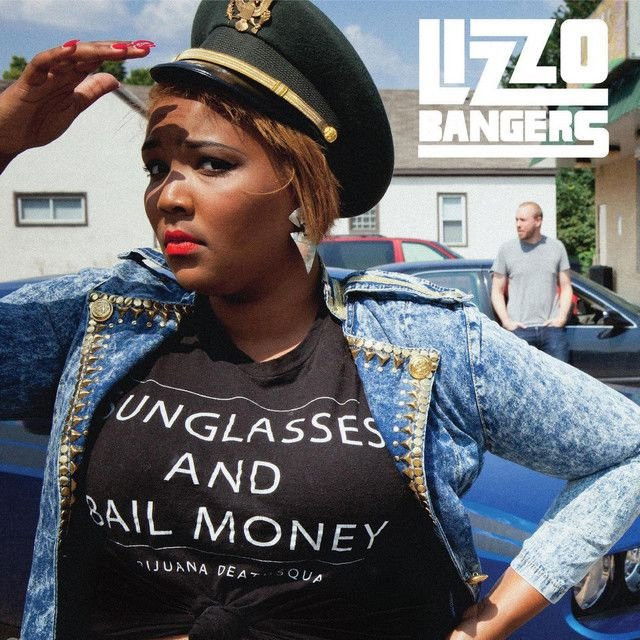
W.E.R.K. Pt. II by Lizzo
The meaning of W.E.R.K. Pt. II Lizzo comes down to this: it is a high-energy self-assertion song that also pokes at hustle culture, critics, and the performance of power. On the surface, it sounds like a chant for confidence. Underneath, it is sharper than that.
"W.E.R.K. Pt. II" - Lizzo
Work, work, work (work), work (work)
Work (work), work (work), work (work), work (work)
Loading lyrics...
Unable to load lyrics
We're unable to display the lyrics at this time. Please try again later.
Released in 2013 during Lizzo's early solo era, the song arrived before her mainstream breakthrough and shows how fully formed her voice already was. According to Rolling Stone, Lizzo began in the Minneapolis scene with groups including Chalice before going solo, and the magazine described this track as taking aim at "girlboss culture and capitalism" over trap beats (Rolling Stone). That context matters because the song sounds like both a flex and a side-eye.
A Hustle Anthem With Teeth
At first listen, the repeated hook feels simple: keep moving, keep grinding, stay in charge. The line work like a boss
is catchy enough to sound motivational on its own.
But the verses complicate that message. Lizzo spends much of the song brushing off people who gossip, posture, or try to reduce her to a stereotype. When she dismisses empty chatter and mock outrage, the song stops being a generic work anthem and becomes a defense of earned confidence.
Interpretation: The track uses the language of hustle to question who gets praised for ambition and who gets criticized for it. Lizzo is not just saying "work hard." They are asking why ambition sounds admirable in some mouths and threatening in others.

Watch the official W.E.R.K. Pt. II
music video
The Real Target: Talkers, Critics, and False Authority
One of the clearest patterns in the lyrics is the contrast between action and noise. Early on, she mocks people who only talk, talk, talk
. That phrase sums up a whole social world of spectators, bloggers, haters, and armchair judges.
She answers them with motion. When Lizzo says I've been running
, the point is not only speed. It is persistence. She presents herself as someone already doing the work while others are still reacting.
There is also a comic edge in the way she stages criticism. She imagines people getting offended, moralizing, and rushing to publish complaints. That makes the song funny, but it also shows how women—especially bold, outspoken women—often get turned into debates instead of being heard on their own terms.
Big Grrrl, Small World
The line big girl
next to small world
is one of the song's most revealing moments. In just a few words, Lizzo turns body image into social commentary.
On one level, it is a proud self-naming. She refuses shame and makes size part of her power. On another level, the "small world" around that phrase suggests narrow thinking: a culture too limited to understand a person who is larger than its expectations.
Interpretation: This is not only about body positivity. It is also about scale. Lizzo's personality, ambition, and presence are bigger than the boxes people try to put her in.
Gender, Power, and Strategy
Another key idea in the song is that femininity and authority do not cancel each other out. Lizzo describes herself as stylish and "classy," but they also stress sharp thinking and strategic control.
That matters because the song rejects a common split in pop culture: the idea that a woman can be either polished or powerful, attractive or commanding. Here, she claims both. She can look youthful, move with swagger, and still outthink the room.
This is part of why the song feels more complex than a pep talk. It is about labor, yes, but also about social labor—managing perception, defending credibility, and staying self-defined.
Why the Chalice Reference Matters
Late in the song, Lizzo spells out C-H-A-L-I-C-E
. That is a nod to Chalice, one of her earlier groups, a detail Rolling Stone also highlights in its write-up of the track (Rolling Stone).
That brief reference does two things. First, it roots the song in her real artistic history rather than a sudden image of success. Second, it suggests community. Even in a song built around personal drive, she hints that the journey did not start alone.
How the Sound Carries the Message
Musically, the production is crucial to the meaning of W.E.R.K. Pt. II Lizzo. The beat has a trap foundation: hard drums, looped emphasis, and a repetitive hook designed to hit like a command. Rolling Stone specifically notes the trap-beat feel of the track (Rolling Stone).
That production gives the song two moods at once:
- triumph n- pressure
- swagger
- satire
The repetition makes the chorus sound like a workplace mantra, but its intensity can also feel exhausting. That tension is part of the point. The song celebrates effort while hinting at how brutal the demand to constantly "work" can become.
Her vocal delivery deepens that effect. She raps with bounce and bite, moving between jokes, taunts, and declarations. The personality is huge, which keeps the song from sounding preachy.
So What Is the Song Finally Saying?
The best way to read the track is as a double statement. It is a confidence record, but it is not blindly motivational. Lizzo embraces discipline, hunger, and self-belief while also exposing the fake, noisy culture that grows around success.
That is why the song still stands out in her catalog. It captures an artist building themselves in public, refusing pity, and refusing easy labels. They are not asking for permission. They are showing what it looks like to push ahead while laughing at the people standing in the way.
In that sense, the meaning of W.E.R.K. Pt. II Lizzo is not just "keep grinding." It is closer to this: do the work, know your worth, and do not confuse public chatter with real power.
Disclaimer: This interpretation is based on the released lyrics, available artist context, and critical commentary. Song meaning can remain open, and listeners may hear different layers in it.








